Francis Bacon - sylwetka autora
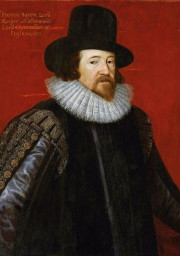
Angielski filozof, uznawany za jednego z najwybitniejszych myślicieli renesansu i baroku, był także eseistą, politykiem i prawnikiem. Jest uważany za czołowego twórcę nowoczesnej metody naukowej, która bazuje na eksperymencie i indukcji, a także za jednego z prekursorów empiryzmu. Choć na początku dążył do odnowienia nauk, jego polityczne ambicje okazały się przeważać nad naukowymi zainteresowaniami. Studiował na Trinity College w Cambridge oraz nauki dyplomatyczne w Paryżu, by później rozpocząć karierę prawniczą. W 1595 roku dołączył do parlamentu, a następnie został prawnym doradcą króla Jakuba I Stuarta, głównym prokuratorem, lordem kanclerzem i baronem Verulam, aż w końcu w 1621 roku osiągnął tytuł wicehrabiego St Albans. Po zarzutach o korupcję został uwięziony, lecz później król go ułaskawił. Ostatnie lata życia spędził w izolacji, a w 1626 roku zmarł z powodu przeziębienia nabytego podczas eksperymentów na śniegu. Spekulowano, że mógł być rzeczywistym autorem dzieł Szekspira, lecz brak na to dowodów. Jego eseje do dziś uznawane są za wzór literatury angielskiej, w których starał się przekazywać myśli w formie aforystycznej. Do jego najważniejszych prac należą "Eseje" (1597), "Novum Organum" (1620) oraz "Nowa Atlantyda" (1627). Dzieło "De dignitate et augmentis scientiarum libri ix" znalazło się w spisie ksiąg zakazanych na mocy dekretu z 1668 roku.

Francis Bacon - wszystkie książki
Opinie naszych klientów

Bardzo szybko otrzymałam zamawiany towar. Książki zgodne z opisem, bez śladów użytkowania. Jestem bardzo zadowolona z zakupu :)

joanna_st
Blog Skupszop
Artykuły, które mogą Cię zainspirować. Aktualne rabaty i zniżki

Nagrodzono Brązową Pieczęcią Uznania eKomi 2026!


*Chcę otrzymywać wiadomości promocyjne z możliwością późniejszej rezygnacji


Zniżki i rabaty
Nowości i promocje
Powiadomienia
NAPISALI O NAS:


