Stan książek
Nasze książki są dokładnie sprawdzone i jasno określamy stan każdej z nich.


Nowa
Książka nowa.
Używany - jak nowa
Niezauważalne lub prawie niezauważalne ślady używania. Książkę ciężko odróżnić od nowej pozycji.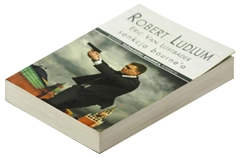
Używany - dobry
Normalne ślady używania wynikające z kartkowania podczas czytania, brak większych uszkodzeń lub zagięć.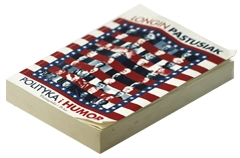
Używany - widoczne ślady użytkowania
zagięte rogi, przyniszczona okładka, książka posiada wszystkie strony.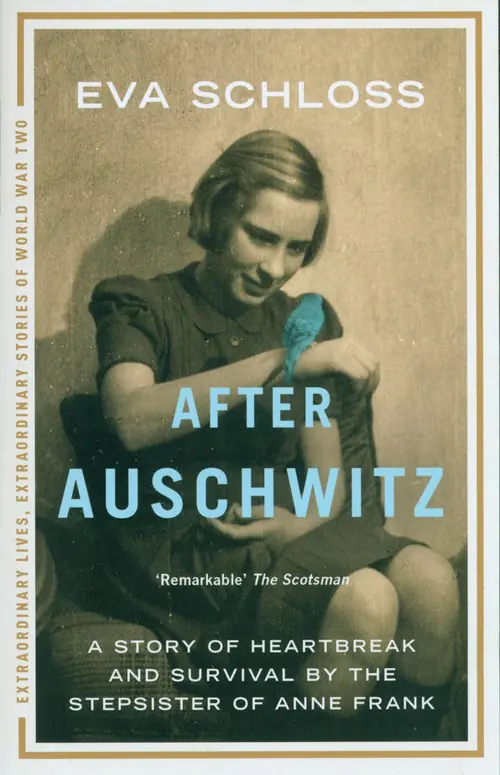
After Auschwitz
Masz tę lub inne książki?
Sprzedaj je u nas

Eva was captured by the Nazis on the day she turned fifteen and sent to the Auschwitz concentration camp. Her survival was a result of a series of fortuitous events, her sheer willpower, and the unwavering support and protection from her mother, Fritzi, who was also taken there. After Auschwitz was liberated, Eva and Fritzi embarked on a long journey to return home, desperately searching for Eva's father and brother, from whom they had been separated. Sadly, they received the devastating news months later that both had been killed.
Before the war, while living in Amsterdam, Eva had formed a friendship with Anne Frank, a bond that would link their lives in unexpected ways. This connection deepened when, in 1953, Eva’s mother Fritzi married Anne’s father, Otto Frank. Through this narrative, we gain an intimate insight into Eva's extraordinary life, juxtaposed with that of her friend Anne, capturing the indelible mark left by the Holocaust.
This account is a stark, honest portrayal of how a regular individual survived such an ordeal. Eva's recollections and vivid storytelling convey the harrowing realities she faced. Yet, the story extends beyond survival; it delves into Eva’s subsequent battles with her past and her efforts to uphold the memory of Anne Frank, influenced deeply by her step-father Otto’s legacy, ensuring that Anne’s story remains alive for generations.
Wybierz stan zużycia:
WIĘCEJ O SKALI
Eva was captured by the Nazis on the day she turned fifteen and sent to the Auschwitz concentration camp. Her survival was a result of a series of fortuitous events, her sheer willpower, and the unwavering support and protection from her mother, Fritzi, who was also taken there. After Auschwitz was liberated, Eva and Fritzi embarked on a long journey to return home, desperately searching for Eva's father and brother, from whom they had been separated. Sadly, they received the devastating news months later that both had been killed.
Before the war, while living in Amsterdam, Eva had formed a friendship with Anne Frank, a bond that would link their lives in unexpected ways. This connection deepened when, in 1953, Eva’s mother Fritzi married Anne’s father, Otto Frank. Through this narrative, we gain an intimate insight into Eva's extraordinary life, juxtaposed with that of her friend Anne, capturing the indelible mark left by the Holocaust.
This account is a stark, honest portrayal of how a regular individual survived such an ordeal. Eva's recollections and vivid storytelling convey the harrowing realities she faced. Yet, the story extends beyond survival; it delves into Eva’s subsequent battles with her past and her efforts to uphold the memory of Anne Frank, influenced deeply by her step-father Otto’s legacy, ensuring that Anne’s story remains alive for generations.
Szczegóły
22.98 zł
dobry
-
22.98 zł
dobry
Taniej o 36.24 zł 59.22 zł

Inne książki: Eva Schloss

Podobne produkty
Może Ci się spodobać
Inne książki z tej samej kategorii

Napisz opinię o książce i wygraj nagrodę!
W każdym miesiącu wybieramy najlepsze opinie i nagradzamy recenzentów.
Dowiedz się więcejWartość nagród w tym miesiącu
880 zł
Dodaj swoją opinię
Zaloguj się na swoje konto, aby mieć możliwość dodawania opinii.
Czy chcesz zostawić tylko ocenę?
Dodanie samej oceny o książce nie jest brane pod uwagę podczas losowania nagród. By mieć szansę na otrzymanie nagrody musisz napisać opinię o książce.
Już oceniłeś/zrecenzowałeś te książkę w przeszłości.
Możliwe jest dodanie tylko jednej recenzji do każdej z książek.
Sposoby dostawy
Płatne z góry

InPost Paczkomaty 24/7
13.99 zł
Darmowa od 190 zł

ORLEN Paczka
12.99 zł
Darmowa od 190 zł

Automaty DHL BOX 24/7 i punkty POP
12.99 zł
Darmowa od 190 zł

DPD Pickup Automaty i Punkty Odbioru
9.99 zł
Darmowa od 190 zł

Automaty Orlen Paczka, sklepy Żabka i inne
12.99 zł
Darmowa od 190 zł

GLS U Ciebie - Kurier
14.99 zł
Darmowa od 190 zł

Kurier DPD
14.99 zł
Darmowa od 190 zł

Kurier InPost
14.99 zł
Darmowa od 190 zł

Pocztex Kurier
13.99 zł
Darmowa od 190 zł

Kurier DHL
14.99 zł
Darmowa od 190 zł

Kurier GLS - kraje UE
69.00 zł

Punkt odbioru (Dębica)
2.99 zł
Darmowa od 190 zł
Płatne przy odbiorze

Kurier GLS pobranie
23.99 zł
Sposoby płatności
Płatność z góry
Przedpłata

Zwykły przelew
