Stan książek
Nasze książki są dokładnie sprawdzone i jasno określamy stan każdej z nich.


Nowa
Książka nowa.
Używany - jak nowa
Niezauważalne lub prawie niezauważalne ślady używania. Książkę ciężko odróżnić od nowej pozycji.
Używany - dobry
Normalne ślady używania wynikające z kartkowania podczas czytania, brak większych uszkodzeń lub zagięć.
Używany - widoczne ślady użytkowania
zagięte rogi, przyniszczona okładka, książka posiada wszystkie strony.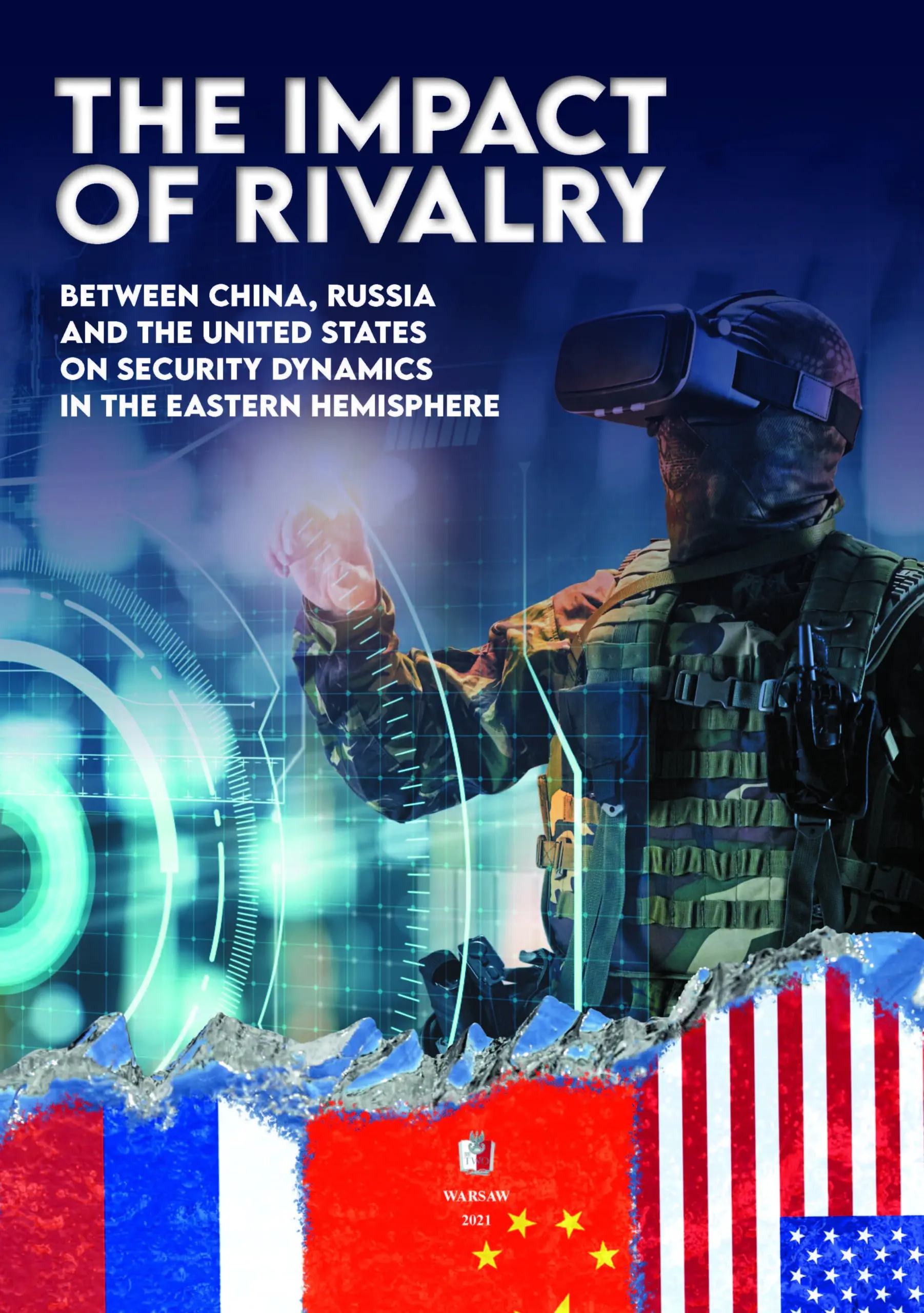
The impact of Rivalry: between China, Russia and..
Masz tę lub inne książki?
Sprzedaj je u nas

The book presents a collection of insightful analyses on contemporary geopolitical and security issues, with a particular focus on the influences and conflicts in various global regions.
Anhelika Dilai and Iaroslav Chornogor delve into the impact of Russian disinformation strategies in Central and Eastern Europe, offering a Ukrainian perspective on the issue. Piotr Gawliczek discusses the role of Advanced Distributed Learning Activities within Defence Education Enhancement Programs (DEEP), highlighting how these initiatives contribute to stability in the Euro-Atlantic area and beyond.
Mariusz Antoni Kamiński explores the rivalry among American, Russian, and Chinese intelligence agencies in the context of the cyber era, while Miron Kokosiński examines Uzbekistan's political ambivalence as it navigates relationships with Russia, the USA, and China. Andrii Koretskyi, Sergey Sveshnikov, and Victor Bocharnikov offer insights into the evolving landscape of international relations and security in Europe.
Rafał Kwieciński addresses the contentious issues surrounding China's stance in the South China Sea. Michał Lipa provides an analysis of Egypt's positioning amid the United States-Russia competition following the Arab Spring of 2011.
The Caspian Sea is identified as a modern battleground for great power rivalry by Rashad Ramiz Mammadov, Elman Samadov, Daniel H. McCauley, and Sadi S. Sadiyev. Bogusław Pacek questions whether the conflicts among superpowers amount to a rivalry or a hybrid war, while Piotr Pacek examines the implications of information warfare among these major powers.
Vadim Procel looks at the aftermath of the Soviet Afghan conflict, providing crucial retrospectives. Karolina Rak sheds light on the complex currents of Salafism within Tunisia, presenting a detailed view of the nuances in Tunisian religious dynamics.
Aleksandra Skrabacz discusses the challenges posed by uncontrolled migration for the security of microregions within the European Union, a pressing issue for modern policymakers. Lastly, Volodymyr Suslov analyzes the military aspects of Russian aggression against Ukraine, drawing important conclusions and lessons from the conflict.
This compilation provides a comprehensive exploration of modern power dynamics, security challenges, and geopolitical shifts, encouraging readers to engage with the nuanced realities of today's international landscape.
Wybierz stan zużycia:
WIĘCEJ O SKALI
The book presents a collection of insightful analyses on contemporary geopolitical and security issues, with a particular focus on the influences and conflicts in various global regions.
Anhelika Dilai and Iaroslav Chornogor delve into the impact of Russian disinformation strategies in Central and Eastern Europe, offering a Ukrainian perspective on the issue. Piotr Gawliczek discusses the role of Advanced Distributed Learning Activities within Defence Education Enhancement Programs (DEEP), highlighting how these initiatives contribute to stability in the Euro-Atlantic area and beyond.
Mariusz Antoni Kamiński explores the rivalry among American, Russian, and Chinese intelligence agencies in the context of the cyber era, while Miron Kokosiński examines Uzbekistan's political ambivalence as it navigates relationships with Russia, the USA, and China. Andrii Koretskyi, Sergey Sveshnikov, and Victor Bocharnikov offer insights into the evolving landscape of international relations and security in Europe.
Rafał Kwieciński addresses the contentious issues surrounding China's stance in the South China Sea. Michał Lipa provides an analysis of Egypt's positioning amid the United States-Russia competition following the Arab Spring of 2011.
The Caspian Sea is identified as a modern battleground for great power rivalry by Rashad Ramiz Mammadov, Elman Samadov, Daniel H. McCauley, and Sadi S. Sadiyev. Bogusław Pacek questions whether the conflicts among superpowers amount to a rivalry or a hybrid war, while Piotr Pacek examines the implications of information warfare among these major powers.
Vadim Procel looks at the aftermath of the Soviet Afghan conflict, providing crucial retrospectives. Karolina Rak sheds light on the complex currents of Salafism within Tunisia, presenting a detailed view of the nuances in Tunisian religious dynamics.
Aleksandra Skrabacz discusses the challenges posed by uncontrolled migration for the security of microregions within the European Union, a pressing issue for modern policymakers. Lastly, Volodymyr Suslov analyzes the military aspects of Russian aggression against Ukraine, drawing important conclusions and lessons from the conflict.
This compilation provides a comprehensive exploration of modern power dynamics, security challenges, and geopolitical shifts, encouraging readers to engage with the nuanced realities of today's international landscape.
Szczegóły
Inne książki tych autorów

Podobne produkty
Może Ci się spodobać
Inne książki z tej samej kategorii

Napisz opinię o książce i wygraj nagrodę!
W każdym miesiącu wybieramy najlepsze opinie i nagradzamy recenzentów.
Dowiedz się więcejWartość nagród w tym miesiącu
880 zł
Dodaj swoją opinię
Zaloguj się na swoje konto, aby mieć możliwość dodawania opinii.
Czy chcesz zostawić tylko ocenę?
Dodanie samej oceny o książce nie jest brane pod uwagę podczas losowania nagród. By mieć szansę na otrzymanie nagrody musisz napisać opinię o książce.
Już oceniłeś/zrecenzowałeś te książkę w przeszłości.
Możliwe jest dodanie tylko jednej recenzji do każdej z książek.
Sposoby dostawy
Płatne z góry

InPost Paczkomaty 24/7
13.99 zł
Darmowa od 190 zł

ORLEN Paczka
12.99 zł
Darmowa od 190 zł

Automaty DHL BOX 24/7 i punkty POP
12.99 zł
Darmowa od 190 zł

DPD Pickup Automaty i Punkty Odbioru
9.99 zł
Darmowa od 190 zł

Automaty Orlen Paczka, sklepy Żabka i inne
12.99 zł
Darmowa od 190 zł

GLS U Ciebie - Kurier
14.99 zł
Darmowa od 190 zł

Kurier DPD
14.99 zł
Darmowa od 190 zł

Kurier InPost
14.99 zł
Darmowa od 190 zł

Pocztex Kurier
13.99 zł
Darmowa od 190 zł

Kurier DHL
14.99 zł
Darmowa od 190 zł

Kurier GLS - kraje UE
69.00 zł

Punkt odbioru (Dębica)
2.99 zł
Darmowa od 190 zł
Płatne przy odbiorze

Kurier GLS pobranie
23.99 zł
Sposoby płatności
Płatność z góry
Przedpłata

Zwykły przelew
