Stan książek
Nasze książki są dokładnie sprawdzone i jasno określamy stan każdej z nich.
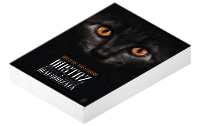

Nowa
Książka nowa.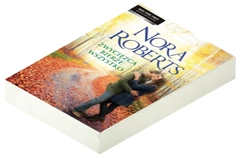
Używany - jak nowa
Niezauważalne lub prawie niezauważalne ślady używania. Książkę ciężko odróżnić od nowej pozycji.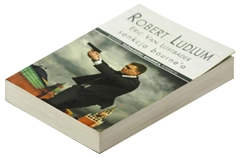
Używany - dobry
Normalne ślady używania wynikające z kartkowania podczas czytania, brak większych uszkodzeń lub zagięć.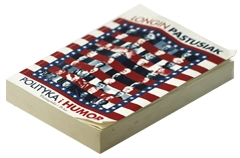
Używany - widoczne ślady użytkowania
zagięte rogi, przyniszczona okładka, książka posiada wszystkie strony.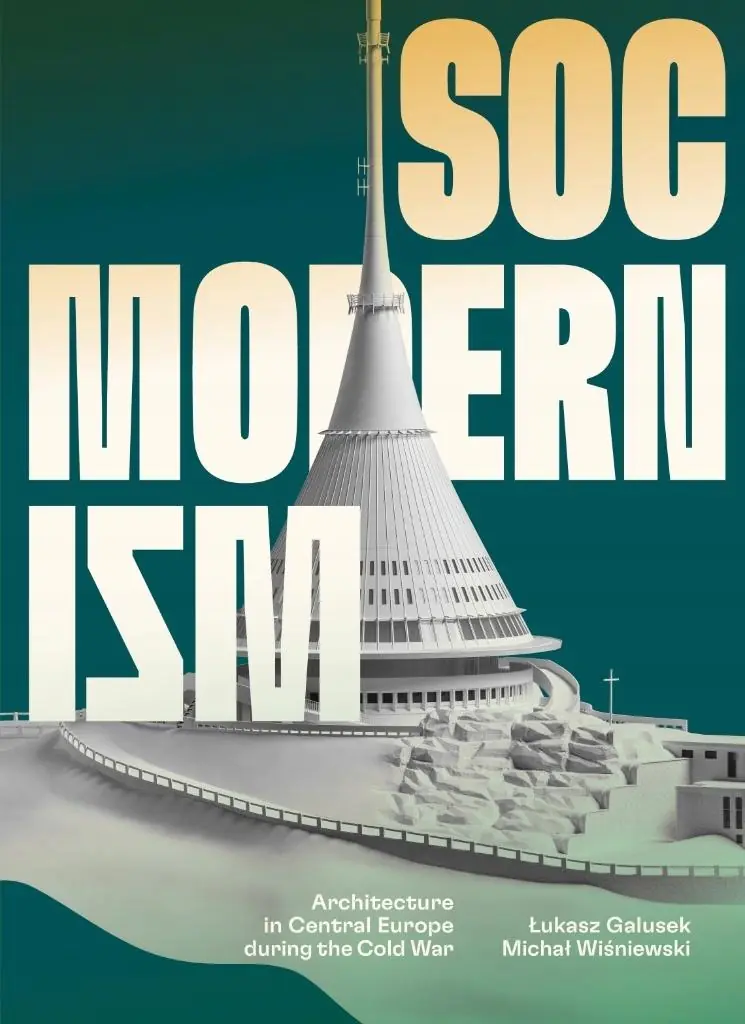
Socmodernism. Architecture in Central Europe..
Masz tę lub inne książki?
Sprzedaj je u nas

"Socmodernism. Architecture of Central Europe during the Cold War" offers an engaging and well-illustrated exploration of socialist modernism, which has long been overlooked in 20th-century architectural studies. This book goes beyond simple architectural analysis; it endeavors to piece together a more complete narrative of Central Europe's post-war evolution. Often, socialist modernism is narrowly associated with industrial and collective architectures, overshadowing the notable accomplishments of visionary architects. These architects crafted unique aesthetic languages and connected with the historical richness of prior movements, working within the confines of the GDR, Czechoslovakia, Yugoslavia, the Polish People's Republic, and the Baltic states like Lithuania, Latvia, and Estonia. They maneuvered within the limitations of their times, harnessing the era's utopian ideals. Authored by Dr. Łukasz Galusek and Dr. Michał Wiśniewski, the book acknowledges that the history of post-war Europe is fraught with gaps and untold stories in both political and cultural realms. While socio-political histories have gradually been expanded over the past three decades, architecture still suffers from significant oversight. This work aims to provide a fresh perspective, balancing the narrative around Central Europe's modernist heritage. It prompts readers to reconsider how post-war architecture is perceived today, advocating for a more nuanced interpretation of the Cold War legacy—a legacy marked by contradictions but rich with artistic innovation.
Wybierz stan zużycia:
WIĘCEJ O SKALI
"Socmodernism. Architecture of Central Europe during the Cold War" offers an engaging and well-illustrated exploration of socialist modernism, which has long been overlooked in 20th-century architectural studies. This book goes beyond simple architectural analysis; it endeavors to piece together a more complete narrative of Central Europe's post-war evolution. Often, socialist modernism is narrowly associated with industrial and collective architectures, overshadowing the notable accomplishments of visionary architects. These architects crafted unique aesthetic languages and connected with the historical richness of prior movements, working within the confines of the GDR, Czechoslovakia, Yugoslavia, the Polish People's Republic, and the Baltic states like Lithuania, Latvia, and Estonia. They maneuvered within the limitations of their times, harnessing the era's utopian ideals. Authored by Dr. Łukasz Galusek and Dr. Michał Wiśniewski, the book acknowledges that the history of post-war Europe is fraught with gaps and untold stories in both political and cultural realms. While socio-political histories have gradually been expanded over the past three decades, architecture still suffers from significant oversight. This work aims to provide a fresh perspective, balancing the narrative around Central Europe's modernist heritage. It prompts readers to reconsider how post-war architecture is perceived today, advocating for a more nuanced interpretation of the Cold War legacy—a legacy marked by contradictions but rich with artistic innovation.
Szczegóły
Inne książki tych autorów

Podobne produkty
Może Ci się spodobać
Inne książki z tej samej kategorii

Napisz opinię o książce i wygraj nagrodę!
W każdym miesiącu wybieramy najlepsze opinie i nagradzamy recenzentów.
Dowiedz się więcejWartość nagród w tym miesiącu
880 zł
Dodaj swoją opinię
Zaloguj się na swoje konto, aby mieć możliwość dodawania opinii.
Czy chcesz zostawić tylko ocenę?
Dodanie samej oceny o książce nie jest brane pod uwagę podczas losowania nagród. By mieć szansę na otrzymanie nagrody musisz napisać opinię o książce.
Już oceniłeś/zrecenzowałeś te książkę w przeszłości.
Możliwe jest dodanie tylko jednej recenzji do każdej z książek.
Sposoby dostawy
Odbiór w punkcie (7)
InPost Paczkomat 24/7

14,99 zł
DPD Pickup Automaty i Punkty Odbioru

10,49 zł





Dostawa na adres (7)
GLS U Ciebie - Kurier

14,99 zł
Kurier DPD

14,99 zł





Sposoby płatności
Płatność z góry
Przedpłata

Zwykły przelew
