Stan książek
Nasze książki są dokładnie sprawdzone i jasno określamy stan każdej z nich.
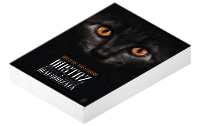

Nowa
Książka nowa.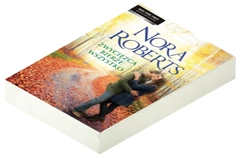
Używany - jak nowa
Niezauważalne lub prawie niezauważalne ślady używania. Książkę ciężko odróżnić od nowej pozycji.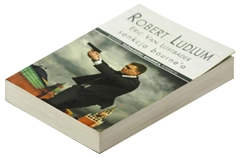
Używany - dobry
Normalne ślady używania wynikające z kartkowania podczas czytania, brak większych uszkodzeń lub zagięć.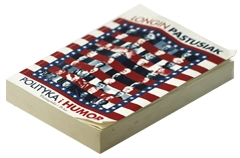
Używany - widoczne ślady użytkowania
zagięte rogi, przyniszczona okładka, książka posiada wszystkie strony.
Może Boże
Masz tę lub inne książki?
Sprzedaj je u nas

It has been a long time since I read poetry that is so devoid of illusions. In these poems, there is no distinction between the internal and external landscapes; emotions, words, and people move across the same barren wasteland, stirred gently by faint emotions and shaped by indistinct words. Floating over this consistent—or rather, deviant—landscape is a revealing, cruel idea of God, alongside something striving to be a poetic burst of meanings, yet it merely becomes a fleeting attempt at expression. Before it fades, it shapes a perfect poem. The influence of Beckett is unmistakable. In this world, emotions cling tightly to people, as if they fear disappearing into a depersonalized universe. The depiction of the father, highlighted by the poet, does not so much possess feelings but serves as the last possible "object" for emotions to latch onto, preventing them from dissipating into the "nothingness" whistling between the beginning and the end of the world.
At the boundary of these poems stands death, yet it is not an all-encompassing abyss. Instead, it blurs the lines between people, objects, and landscapes, dissolving them into indistinctness. However, I would not label Konrad Wojtyła's poetry as nihilistic or helpless. His brief compositions are compact, with precisely directed word energy. There is an alluring virtuosity in this craft that encourages one to be shaped within its cold structures willingly. Emotionally tense rhythms of meanings support what might otherwise collapse and turn to rubble. The more despair present, the more mastery is found. It might be too simplistic to say that mastery overcomes depression, yet there is some truth to it. - Piotr Matywiecki
Wybierz stan zużycia:
WIĘCEJ O SKALI
It has been a long time since I read poetry that is so devoid of illusions. In these poems, there is no distinction between the internal and external landscapes; emotions, words, and people move across the same barren wasteland, stirred gently by faint emotions and shaped by indistinct words. Floating over this consistent—or rather, deviant—landscape is a revealing, cruel idea of God, alongside something striving to be a poetic burst of meanings, yet it merely becomes a fleeting attempt at expression. Before it fades, it shapes a perfect poem. The influence of Beckett is unmistakable. In this world, emotions cling tightly to people, as if they fear disappearing into a depersonalized universe. The depiction of the father, highlighted by the poet, does not so much possess feelings but serves as the last possible "object" for emotions to latch onto, preventing them from dissipating into the "nothingness" whistling between the beginning and the end of the world.
At the boundary of these poems stands death, yet it is not an all-encompassing abyss. Instead, it blurs the lines between people, objects, and landscapes, dissolving them into indistinctness. However, I would not label Konrad Wojtyła's poetry as nihilistic or helpless. His brief compositions are compact, with precisely directed word energy. There is an alluring virtuosity in this craft that encourages one to be shaped within its cold structures willingly. Emotionally tense rhythms of meanings support what might otherwise collapse and turn to rubble. The more despair present, the more mastery is found. It might be too simplistic to say that mastery overcomes depression, yet there is some truth to it. - Piotr Matywiecki
Szczegóły
Inne książki: Konrad Wojtyła

Podobne produkty
Może Ci się spodobać
Inne książki z tej samej kategorii

Napisz opinię o książce i wygraj nagrodę!
W każdym miesiącu wybieramy najlepsze opinie i nagradzamy recenzentów.
Dowiedz się więcejWartość nagród w tym miesiącu
880 zł
Dodaj swoją opinię
Zaloguj się na swoje konto, aby mieć możliwość dodawania opinii.
Czy chcesz zostawić tylko ocenę?
Dodanie samej oceny o książce nie jest brane pod uwagę podczas losowania nagród. By mieć szansę na otrzymanie nagrody musisz napisać opinię o książce.
Już oceniłeś/zrecenzowałeś te książkę w przeszłości.
Możliwe jest dodanie tylko jednej recenzji do każdej z książek.
Sposoby dostawy
Płatne z góry

InPost Paczkomaty 24/7
13.99 zł
Darmowa od 190 zł

ORLEN Paczka
12.99 zł
Darmowa od 190 zł

Automaty DHL BOX 24/7 i punkty POP
12.99 zł
Darmowa od 190 zł

DPD Pickup Automaty i Punkty Odbioru
9.99 zł
Darmowa od 190 zł

Automaty Orlen Paczka, sklepy Żabka i inne
12.99 zł
Darmowa od 190 zł

GLS U Ciebie - Kurier
14.99 zł
Darmowa od 190 zł

Kurier DPD
14.99 zł
Darmowa od 190 zł

Kurier InPost
14.99 zł
Darmowa od 190 zł

Pocztex Kurier
13.99 zł
Darmowa od 190 zł

Kurier DHL
14.99 zł
Darmowa od 190 zł

Kurier GLS - kraje UE
69.00 zł

Punkt odbioru (Dębica)
2.99 zł
Darmowa od 190 zł
Płatne przy odbiorze

Kurier GLS pobranie
23.99 zł
Sposoby płatności
Płatność z góry
Przedpłata

Zwykły przelew
