Stan książek
Nasze książki są dokładnie sprawdzone i jasno określamy stan każdej z nich.
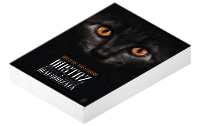

Nowa
Książka nowa.
Używany - jak nowa
Niezauważalne lub prawie niezauważalne ślady używania. Książkę ciężko odróżnić od nowej pozycji.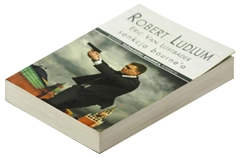
Używany - dobry
Normalne ślady używania wynikające z kartkowania podczas czytania, brak większych uszkodzeń lub zagięć.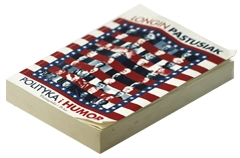
Używany - widoczne ślady użytkowania
zagięte rogi, przyniszczona okładka, książka posiada wszystkie strony.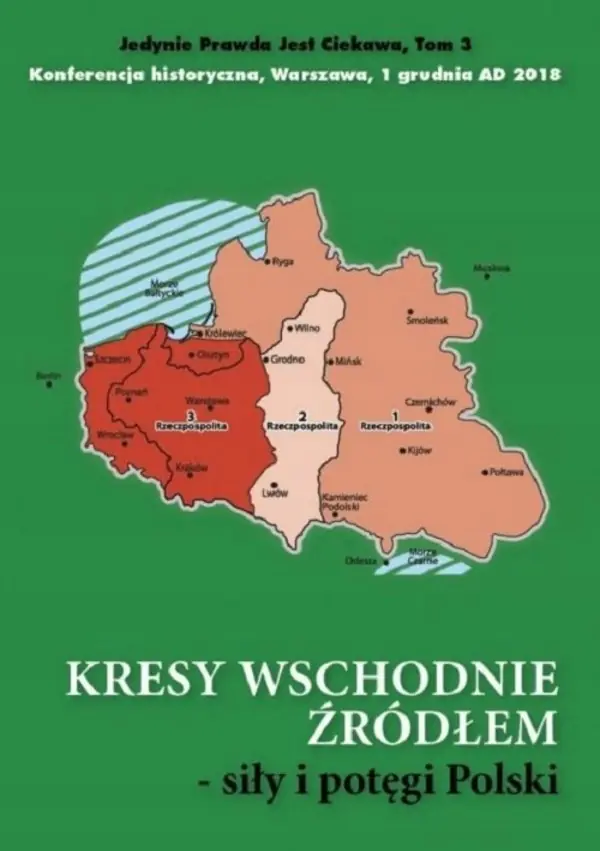
Kresy wschodnie źródłem siły i potęgi Polski
Masz tę lub inne książki?
Sprzedaj je u nas

Over six million Poles, accounting for nearly 20% of the country's population, have ancestral roots tracing back to the former Eastern Borderlands. Paradoxically, many of these individuals now reside in Poland's Southern and Western Borderlands. Unfortunately, both the historical and contemporary awareness of the Eastern Borderlands is not strongly emphasized within the national consciousness.
The book features a collection of papers from a conference attended by various scholars and editors. Edited by Stanisław Srokowski, it includes notable contributions such as "Wartości budowane przez Rzeczypospolitą kresową." Dr. Andrzej Biały discusses the situation of Poles in Belarus between 1921 and 1939, while Dr. Stanisław Krajski argues that the Borderlands should be reintegrated into Poland. Dr. Jan Ciechanowicz provides a historical overview of the Saint John's Academy in Vilnius, marking 440 years of the Vilnius University. Marcin Skalski examines the destruction of Polish autonomy in the Vilnius region as a peak of Prometheism policies.
Additional contributions include Arkadiusz Miksa's reflection on Archbishop Józef Teodorowicz, highlighting his dual role as an Armenian cleric and a Polish statesman on the 80th anniversary of his death. Anna Pruska-Wiszniowska focuses on the Jesuit Society's defense and propagation of faith in the Borderlands, referencing figures like Piotr Skarga and Saint Andrew Bobola. The annexes contain Dr. Marta Cywińska's work on the enduring legacy of the Borderlands, Marcin Skalski's exploration of anti-Polonism as a foundation of new Lithuanian national identity, and a resolution by the National Directorate of the Organization of Ukrainian Nationalists (OUN) dated June 22, 1990.
Wybierz stan zużycia:
WIĘCEJ O SKALI
Over six million Poles, accounting for nearly 20% of the country's population, have ancestral roots tracing back to the former Eastern Borderlands. Paradoxically, many of these individuals now reside in Poland's Southern and Western Borderlands. Unfortunately, both the historical and contemporary awareness of the Eastern Borderlands is not strongly emphasized within the national consciousness.
The book features a collection of papers from a conference attended by various scholars and editors. Edited by Stanisław Srokowski, it includes notable contributions such as "Wartości budowane przez Rzeczypospolitą kresową." Dr. Andrzej Biały discusses the situation of Poles in Belarus between 1921 and 1939, while Dr. Stanisław Krajski argues that the Borderlands should be reintegrated into Poland. Dr. Jan Ciechanowicz provides a historical overview of the Saint John's Academy in Vilnius, marking 440 years of the Vilnius University. Marcin Skalski examines the destruction of Polish autonomy in the Vilnius region as a peak of Prometheism policies.
Additional contributions include Arkadiusz Miksa's reflection on Archbishop Józef Teodorowicz, highlighting his dual role as an Armenian cleric and a Polish statesman on the 80th anniversary of his death. Anna Pruska-Wiszniowska focuses on the Jesuit Society's defense and propagation of faith in the Borderlands, referencing figures like Piotr Skarga and Saint Andrew Bobola. The annexes contain Dr. Marta Cywińska's work on the enduring legacy of the Borderlands, Marcin Skalski's exploration of anti-Polonism as a foundation of new Lithuanian national identity, and a resolution by the National Directorate of the Organization of Ukrainian Nationalists (OUN) dated June 22, 1990.
Szczegóły
Inne książki tych autorów

Podobne produkty
Może Ci się spodobać
Inne książki z tej samej kategorii

Napisz opinię o książce i wygraj nagrodę!
W każdym miesiącu wybieramy najlepsze opinie i nagradzamy recenzentów.
Dowiedz się więcejWartość nagród w tym miesiącu
880 zł
Dodaj swoją opinię
Zaloguj się na swoje konto, aby mieć możliwość dodawania opinii.
Czy chcesz zostawić tylko ocenę?
Dodanie samej oceny o książce nie jest brane pod uwagę podczas losowania nagród. By mieć szansę na otrzymanie nagrody musisz napisać opinię o książce.
Już oceniłeś/zrecenzowałeś te książkę w przeszłości.
Możliwe jest dodanie tylko jednej recenzji do każdej z książek.
Sposoby dostawy
Płatne z góry

InPost Paczkomaty 24/7
13.99 zł
Darmowa od 190 zł

ORLEN Paczka
12.99 zł
Darmowa od 190 zł

Automaty DHL BOX 24/7 i punkty POP
12.99 zł
Darmowa od 190 zł

DPD Pickup Automaty i Punkty Odbioru
9.99 zł
Darmowa od 190 zł

Automaty Orlen Paczka, sklepy Żabka i inne
12.99 zł
Darmowa od 190 zł

GLS U Ciebie - Kurier
14.99 zł
Darmowa od 190 zł

Kurier DPD
14.99 zł
Darmowa od 190 zł

Kurier InPost
14.99 zł
Darmowa od 190 zł

Pocztex Kurier
13.99 zł
Darmowa od 190 zł

Kurier DHL
14.99 zł
Darmowa od 190 zł

Kurier GLS - kraje UE
69.00 zł

Punkt odbioru (Dębica)
2.99 zł
Darmowa od 190 zł
Płatne przy odbiorze

Kurier GLS pobranie
23.99 zł
Sposoby płatności
Płatność z góry
Przedpłata

Zwykły przelew
