Stan książek
Nasze książki są dokładnie sprawdzone i jasno określamy stan każdej z nich.

Nowa
Książka nowa.
Używany - jak nowa
Niezauważalne lub prawie niezauważalne ślady używania. Książkę ciężko odróżnić od nowej pozycji.
Używany - dobry
Normalne ślady używania wynikające z kartkowania podczas czytania, brak większych uszkodzeń lub zagięć.
Używany - widoczne ślady użytkowania
zagięte rogi, przyniszczona okładka, książka posiada wszystkie strony.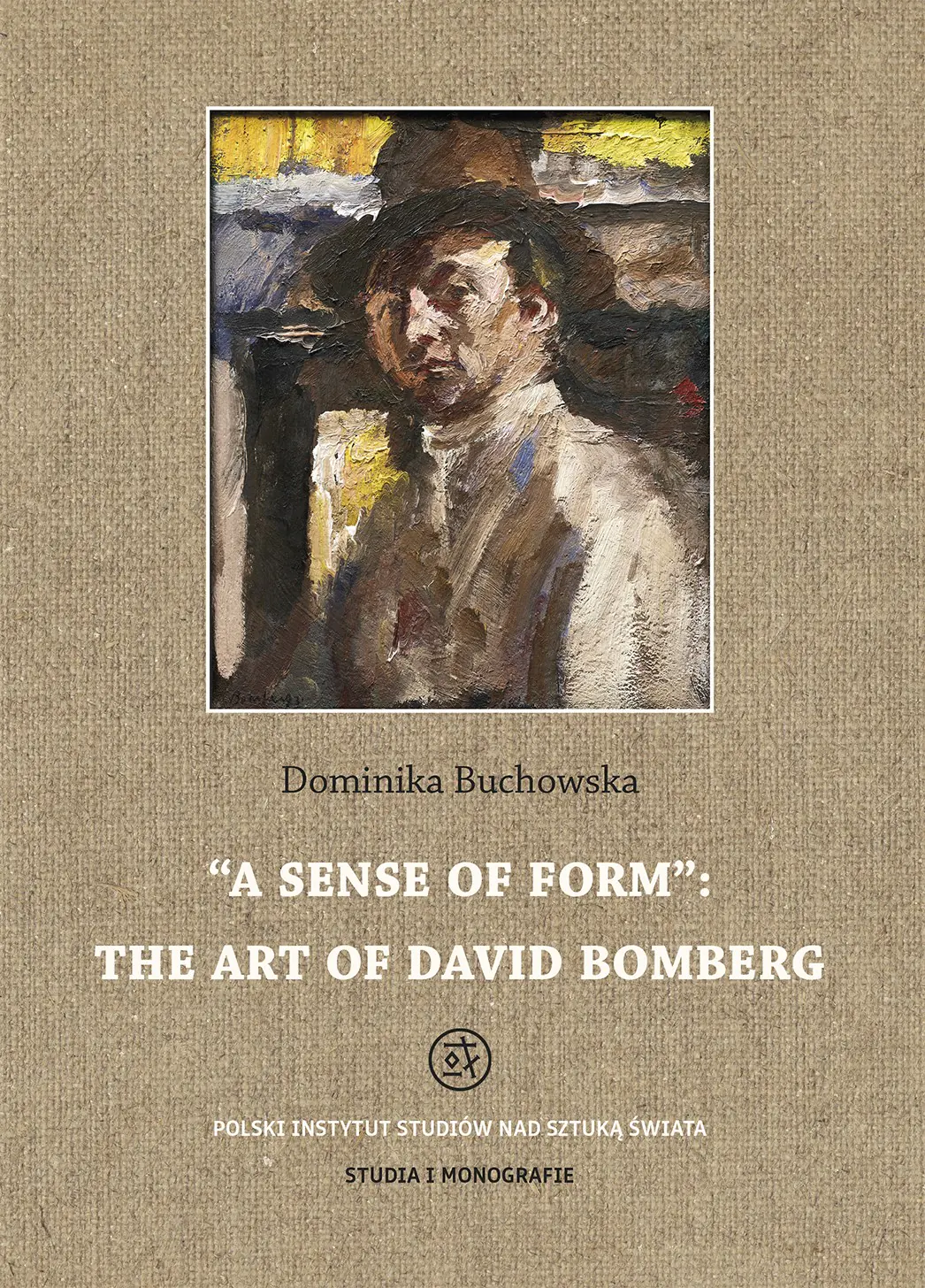
A sense of form the art of David Bomberg
Masz tę lub inne książki?
Sprzedaj je u nas

David Bomberg is renowned for his groundbreaking approach to modernist art in the early 20th century, where he deconstructed the human form into distinct geometric shapes, integrating them within the hustle of urban life, machinery, and crowds. However, the horrors of World War One, where Bomberg both served and documented as a war artist, deeply impacted his artistic vision, prompting a significant shift in his style. He transitioned towards landscape paintings, capturing scenes from Palestine and Spain. Initially detailed and almost topographical, his landscapes evolved to become more abstract and expressive, especially towards the latter part of his career. Despite facing neglect during his lifetime and shortly after his passing, Bomberg's work eventually gained widespread acclaim. His teachings and art have profoundly influenced subsequent artists like Lucien Freud, Frank Auerbach, and Leon Kossoff, who appreciated his dedication to the "sense of form." This book delves into Bomberg's pursuit of form, exploring various facets of his life and work, and establishing his status as a pivotal figure in British modernism.
Wybierz stan zużycia:
WIĘCEJ O SKALI
David Bomberg is renowned for his groundbreaking approach to modernist art in the early 20th century, where he deconstructed the human form into distinct geometric shapes, integrating them within the hustle of urban life, machinery, and crowds. However, the horrors of World War One, where Bomberg both served and documented as a war artist, deeply impacted his artistic vision, prompting a significant shift in his style. He transitioned towards landscape paintings, capturing scenes from Palestine and Spain. Initially detailed and almost topographical, his landscapes evolved to become more abstract and expressive, especially towards the latter part of his career. Despite facing neglect during his lifetime and shortly after his passing, Bomberg's work eventually gained widespread acclaim. His teachings and art have profoundly influenced subsequent artists like Lucien Freud, Frank Auerbach, and Leon Kossoff, who appreciated his dedication to the "sense of form." This book delves into Bomberg's pursuit of form, exploring various facets of his life and work, and establishing his status as a pivotal figure in British modernism.
Szczegóły
Inne książki: Dominika Buchowska

Podobne produkty
Może Ci się spodobać
Inne książki z tej samej kategorii

Napisz opinię o książce i wygraj nagrodę!
W każdym miesiącu wybieramy najlepsze opinie i nagradzamy recenzentów.
Dowiedz się więcejWartość nagród w tym miesiącu
880 zł
Dodaj swoją opinię
Zaloguj się na swoje konto, aby mieć możliwość dodawania opinii.
Czy chcesz zostawić tylko ocenę?
Dodanie samej oceny o książce nie jest brane pod uwagę podczas losowania nagród. By mieć szansę na otrzymanie nagrody musisz napisać opinię o książce.
Już oceniłeś/zrecenzowałeś te książkę w przeszłości.
Możliwe jest dodanie tylko jednej recenzji do każdej z książek.
Sposoby dostawy
Odbiór w punkcie (7)
InPost Paczkomat 24/7

14,99 zł
DPD Pickup Automaty i Punkty Odbioru

10,49 zł





Dostawa na adres (7)
GLS U Ciebie - Kurier

14,99 zł
Kurier DPD

14,99 zł





Sposoby płatności
Płatność z góry
Przedpłata

Zwykły przelew
