Stan książek
Nasze książki są dokładnie sprawdzone i jasno określamy stan każdej z nich.
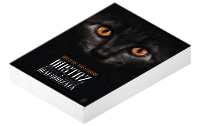

Nowa
Książka nowa.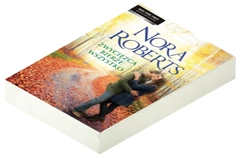
Używany - jak nowa
Niezauważalne lub prawie niezauważalne ślady używania. Książkę ciężko odróżnić od nowej pozycji.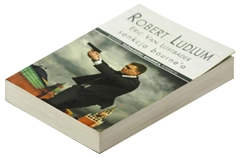
Używany - dobry
Normalne ślady używania wynikające z kartkowania podczas czytania, brak większych uszkodzeń lub zagięć.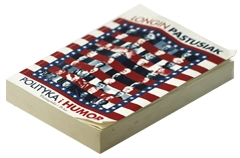
Używany - widoczne ślady użytkowania
zagięte rogi, przyniszczona okładka, książka posiada wszystkie strony.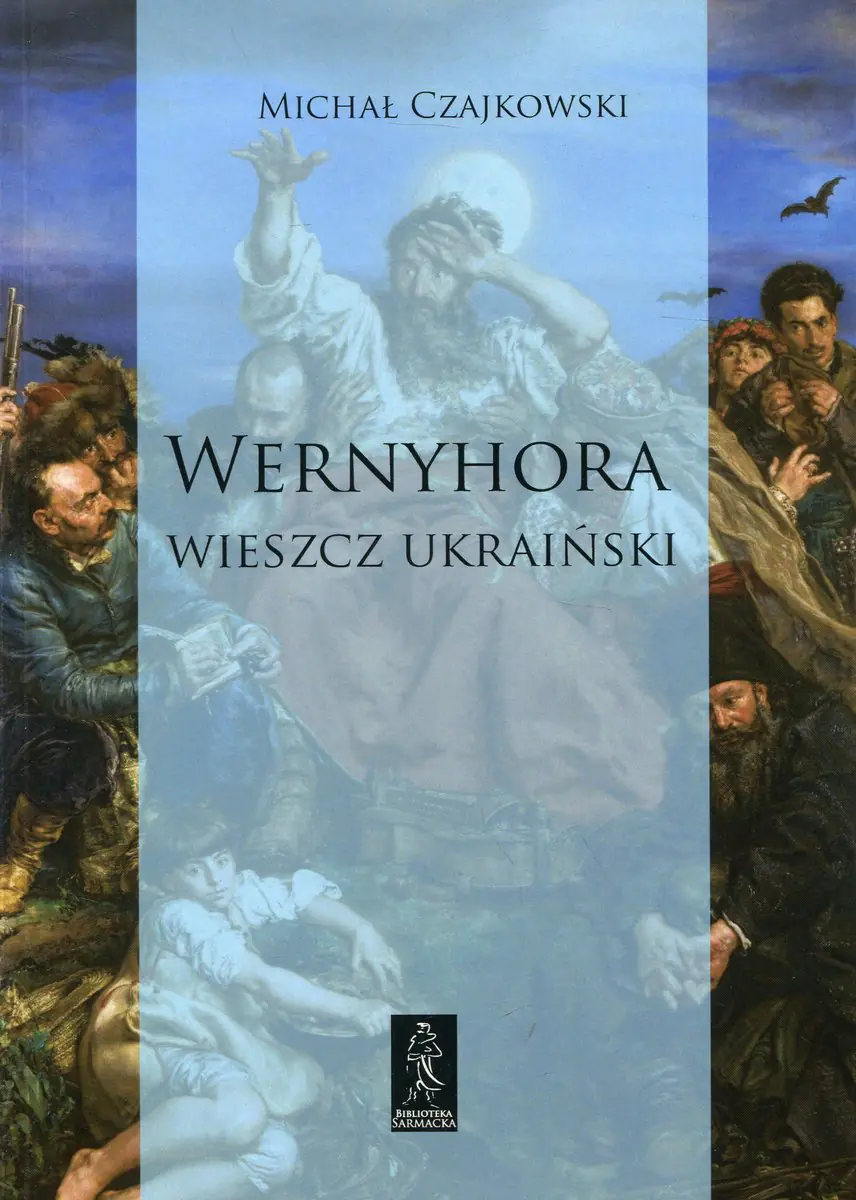
Wernyhora Wieszcz ukraiński
Masz tę lub inne książki?
Sprzedaj je u nas

The value of Czajkowski's work is not defined by the embedded ideology of emigration; rather, it is reflected through his artistry in illustrating cultural and historical landscapes. "Wernyhora" is a distinctive narrative that calls for national unity, a theme Czajkowski supports by drawing on the Baroque tradition of Polish-Cossack symbiosis, epitomized by figures such as Hetman Piotr Konaszewicz Sahajdaczny. For contemporary readers, the narrative's 'picturesqueness,' compared to Walter Scott's style during the author's era, stands out stronger than its political message. Having lived in Ukrainian regions, Czajkowski skillfully captures the local and historical essence of a declining Polish-Lithuanian Commonwealth. Vivid depictions of customs, such as feasts, hunts, and Cossack life, exhibit his storytelling prowess, filled with proverbial vivacity and distinctive character speech, demanding familiarity with regional terminology or Old Polish semantics. Additionally, the lyrical descriptions of steppes, manor homes, and noble attire, reminiscent of Adam Mickiewicz's "Pan Tadeusz," blend with the grim realism of the haidamak massacre, softening its tragic impact. The use of humor and a serene portrayal of the noble manor’s life—rooted in the Old Polish traditions of hospitality, grandeur, and patriotism—also help mellow the frenetic imagery. From this viewpoint, "Wernyhora" emerges as a novel commemorating customs and behaviors fading into oblivion.
Wybierz stan zużycia:
WIĘCEJ O SKALI
The value of Czajkowski's work is not defined by the embedded ideology of emigration; rather, it is reflected through his artistry in illustrating cultural and historical landscapes. "Wernyhora" is a distinctive narrative that calls for national unity, a theme Czajkowski supports by drawing on the Baroque tradition of Polish-Cossack symbiosis, epitomized by figures such as Hetman Piotr Konaszewicz Sahajdaczny. For contemporary readers, the narrative's 'picturesqueness,' compared to Walter Scott's style during the author's era, stands out stronger than its political message. Having lived in Ukrainian regions, Czajkowski skillfully captures the local and historical essence of a declining Polish-Lithuanian Commonwealth. Vivid depictions of customs, such as feasts, hunts, and Cossack life, exhibit his storytelling prowess, filled with proverbial vivacity and distinctive character speech, demanding familiarity with regional terminology or Old Polish semantics. Additionally, the lyrical descriptions of steppes, manor homes, and noble attire, reminiscent of Adam Mickiewicz's "Pan Tadeusz," blend with the grim realism of the haidamak massacre, softening its tragic impact. The use of humor and a serene portrayal of the noble manor’s life—rooted in the Old Polish traditions of hospitality, grandeur, and patriotism—also help mellow the frenetic imagery. From this viewpoint, "Wernyhora" emerges as a novel commemorating customs and behaviors fading into oblivion.
Szczegóły
Inne książki: Michał Czajkowski

Podobne produkty
Może Ci się spodobać
Inne książki z tej samej kategorii

Napisz opinię o książce i wygraj nagrodę!
W każdym miesiącu wybieramy najlepsze opinie i nagradzamy recenzentów.
Dowiedz się więcejWartość nagród w tym miesiącu
880 zł
Dodaj swoją opinię
Zaloguj się na swoje konto, aby mieć możliwość dodawania opinii.
Czy chcesz zostawić tylko ocenę?
Dodanie samej oceny o książce nie jest brane pod uwagę podczas losowania nagród. By mieć szansę na otrzymanie nagrody musisz napisać opinię o książce.
Już oceniłeś/zrecenzowałeś te książkę w przeszłości.
Możliwe jest dodanie tylko jednej recenzji do każdej z książek.
Sposoby dostawy
Odbiór w punkcie (7)
InPost Paczkomat 24/7

14,99 zł
DPD Pickup Automaty i Punkty Odbioru

10,49 zł





Dostawa na adres (7)
GLS U Ciebie - Kurier

14,99 zł
Kurier DPD

14,99 zł





Sposoby płatności
Płatność z góry
Przedpłata

Zwykły przelew
