Stan książek
Nasze książki są dokładnie sprawdzone i jasno określamy stan każdej z nich.
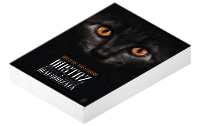

Nowa
Książka nowa.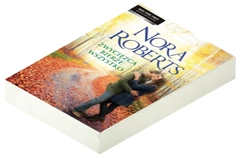
Używany - jak nowa
Niezauważalne lub prawie niezauważalne ślady używania. Książkę ciężko odróżnić od nowej pozycji.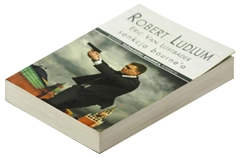
Używany - dobry
Normalne ślady używania wynikające z kartkowania podczas czytania, brak większych uszkodzeń lub zagięć.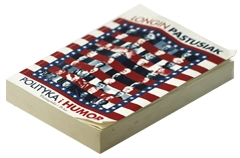
Używany - widoczne ślady użytkowania
zagięte rogi, przyniszczona okładka, książka posiada wszystkie strony.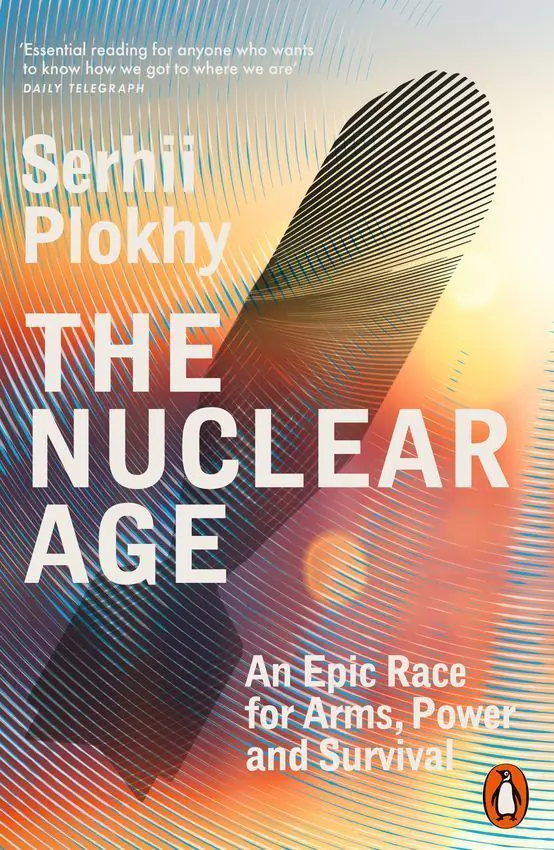
The Nuclear Age
Masz tę lub inne książki?
Sprzedaj je u nas

On 16 July 1945, the world entered the Nuclear Age with the detonation of the first atomic bomb, accompanied by J. Robert Oppenheimer's haunting words: "Now I am become Death, the Destroyer of Worlds." This era has been marked by the constant threat of mutually assured destruction, maintaining a fragile peace through the tensions of global politics. Incidents such as the Chernobyl disaster and the near-catastrophe of the Cuban Missile Crisis underscored how perilously close humanity is to annihilation, hinging on just one error or miscommunication. Today, as nations expand their nuclear capabilities, and arms control agreements fade, there's a looming resurgence of the nuclear threat, now increasingly accessible to non-state actors. In "The Nuclear Age," renowned historian Serhii Plokhy provides a detailed account of a world overshadowed by the specter of nuclear fear. His narrative spans from the first artificial atom splitting in 1917 and the frantic development of the atomic bomb during World War II, through the intense arms buildup of the Cold War, to the modern-day imperialistic and neo-colonial conflicts. Plokhy delves into the ambitions of influential figures, posing the critical question: what lessons learned from the initial nuclear arms race can aid in preventing a new one?
Wybierz stan zużycia:
WIĘCEJ O SKALI
On 16 July 1945, the world entered the Nuclear Age with the detonation of the first atomic bomb, accompanied by J. Robert Oppenheimer's haunting words: "Now I am become Death, the Destroyer of Worlds." This era has been marked by the constant threat of mutually assured destruction, maintaining a fragile peace through the tensions of global politics. Incidents such as the Chernobyl disaster and the near-catastrophe of the Cuban Missile Crisis underscored how perilously close humanity is to annihilation, hinging on just one error or miscommunication. Today, as nations expand their nuclear capabilities, and arms control agreements fade, there's a looming resurgence of the nuclear threat, now increasingly accessible to non-state actors. In "The Nuclear Age," renowned historian Serhii Plokhy provides a detailed account of a world overshadowed by the specter of nuclear fear. His narrative spans from the first artificial atom splitting in 1917 and the frantic development of the atomic bomb during World War II, through the intense arms buildup of the Cold War, to the modern-day imperialistic and neo-colonial conflicts. Plokhy delves into the ambitions of influential figures, posing the critical question: what lessons learned from the initial nuclear arms race can aid in preventing a new one?
Szczegóły
Inne książki: Serhii Plokhy

Podobne produkty
Może Ci się spodobać
Inne książki z tej samej kategorii

Napisz opinię o książce i wygraj nagrodę!
W każdym miesiącu wybieramy najlepsze opinie i nagradzamy recenzentów.
Dowiedz się więcejWartość nagród w tym miesiącu
880 zł
Dodaj swoją opinię
Zaloguj się na swoje konto, aby mieć możliwość dodawania opinii.
Czy chcesz zostawić tylko ocenę?
Dodanie samej oceny o książce nie jest brane pod uwagę podczas losowania nagród. By mieć szansę na otrzymanie nagrody musisz napisać opinię o książce.
Już oceniłeś/zrecenzowałeś te książkę w przeszłości.
Możliwe jest dodanie tylko jednej recenzji do każdej z książek.
Sposoby dostawy
Odbiór w punkcie (7)
InPost Paczkomat 24/7

14,99 zł
DPD Pickup Automaty i Punkty Odbioru

10,49 zł





Dostawa na adres (7)
GLS U Ciebie - Kurier

14,99 zł
Kurier DPD

14,99 zł





Sposoby płatności
Płatność z góry
Przedpłata

Zwykły przelew
