Stan książek
Nasze książki są dokładnie sprawdzone i jasno określamy stan każdej z nich.

Nowa
Książka nowa.
Używany - jak nowa
Niezauważalne lub prawie niezauważalne ślady używania. Książkę ciężko odróżnić od nowej pozycji.
Używany - dobry
Normalne ślady używania wynikające z kartkowania podczas czytania, brak większych uszkodzeń lub zagięć.
Używany - widoczne ślady użytkowania
zagięte rogi, przyniszczona okładka, książka posiada wszystkie strony.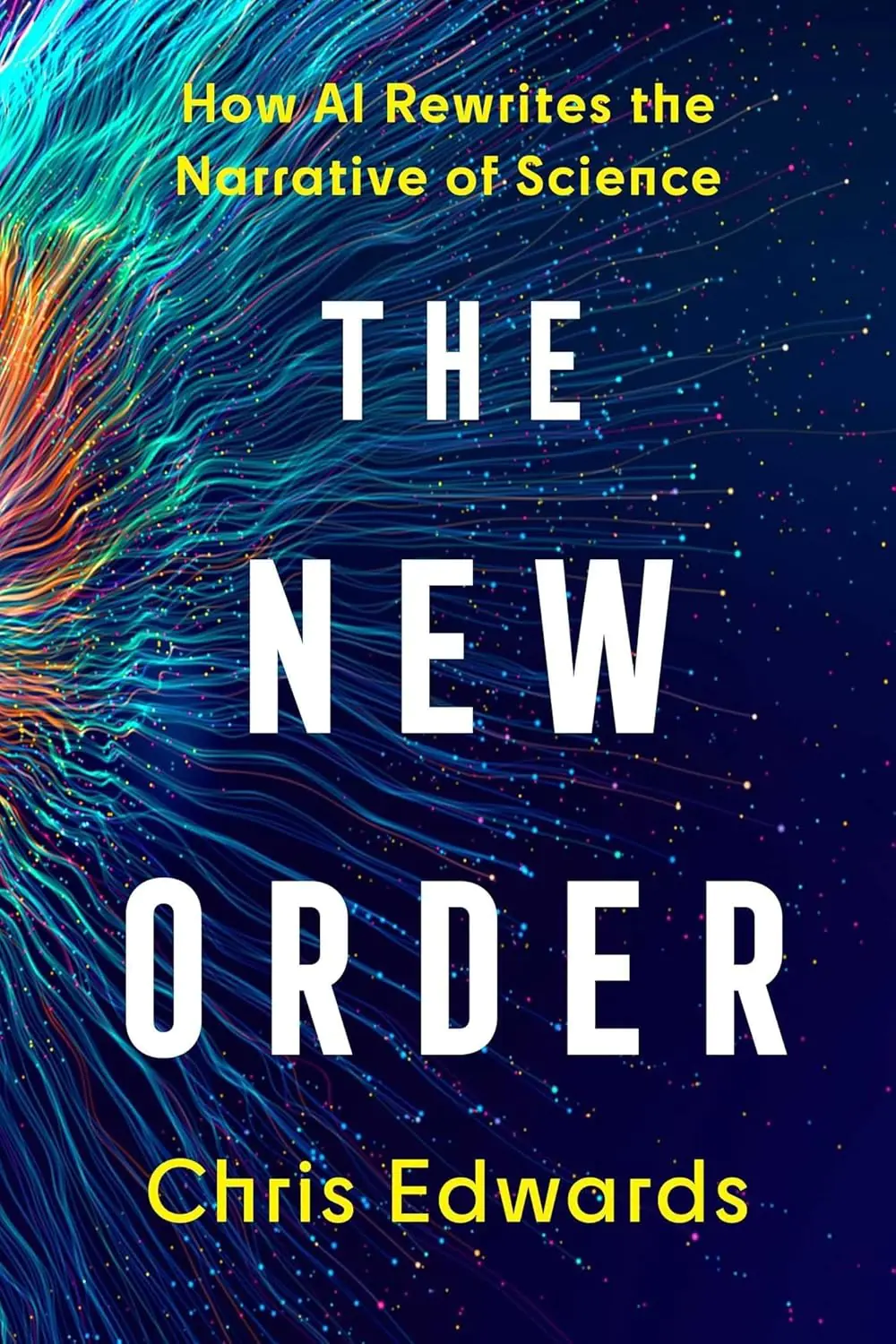
The New Order. How AI Rewrites the Narrative of Science
Masz tę lub inne książki?
Sprzedaj je u nas

Imagine if the pivotal breakthroughs in science emerged in an unexpected sequence. The Laws of Thermodynamics were identified significantly later than the development of algebra, classical physics, and chemistry, yet they play a crucial role in our fundamental comprehension of the universe. This sequence discrepancy has caused confusion, hindering a holistic understanding across different scientific domains. With the rise of Artificial Intelligence, we are on the brink of addressing the philosophical and biological dilemma of solipsism, which highlights that our scientific discoveries have been improperly founded on outdated timelines. Essentially, our core comprehension of science has been constructed in a disordered manner. In the book "The New Order: How AI Rewrites the Narrative of Science," Chris Edwards discusses how AI will be capable of reinterpreting scientific knowledge beyond the conventional chronological order, opening up entirely new possibilities and viewpoints on the universe. For human scholars to grasp how AI perceives the universe, they must first familiarize themselves with this "new order" of scientific narrative. By tracing the evolution of scientific thought from its origins to the realm of modern quantum physics, Edwards proposes a "new order" that places thermodynamics at the heart of our scientific understanding. AI is anticipated to perceive the history of the universe through the lenses of entropy and probability, and through the revelations and innovations presented in The New Order, readers can adopt this perspective as well.
Wybierz stan zużycia:
WIĘCEJ O SKALI
Imagine if the pivotal breakthroughs in science emerged in an unexpected sequence. The Laws of Thermodynamics were identified significantly later than the development of algebra, classical physics, and chemistry, yet they play a crucial role in our fundamental comprehension of the universe. This sequence discrepancy has caused confusion, hindering a holistic understanding across different scientific domains. With the rise of Artificial Intelligence, we are on the brink of addressing the philosophical and biological dilemma of solipsism, which highlights that our scientific discoveries have been improperly founded on outdated timelines. Essentially, our core comprehension of science has been constructed in a disordered manner. In the book "The New Order: How AI Rewrites the Narrative of Science," Chris Edwards discusses how AI will be capable of reinterpreting scientific knowledge beyond the conventional chronological order, opening up entirely new possibilities and viewpoints on the universe. For human scholars to grasp how AI perceives the universe, they must first familiarize themselves with this "new order" of scientific narrative. By tracing the evolution of scientific thought from its origins to the realm of modern quantum physics, Edwards proposes a "new order" that places thermodynamics at the heart of our scientific understanding. AI is anticipated to perceive the history of the universe through the lenses of entropy and probability, and through the revelations and innovations presented in The New Order, readers can adopt this perspective as well.
Szczegóły
Inne książki: Chris Edwards

Podobne produkty
Może Ci się spodobać
Inne książki z tej samej kategorii

Napisz opinię o książce i wygraj nagrodę!
W każdym miesiącu wybieramy najlepsze opinie i nagradzamy recenzentów.
Dowiedz się więcejWartość nagród w tym miesiącu
880 zł
Dodaj swoją opinię
Zaloguj się na swoje konto, aby mieć możliwość dodawania opinii.
Czy chcesz zostawić tylko ocenę?
Dodanie samej oceny o książce nie jest brane pod uwagę podczas losowania nagród. By mieć szansę na otrzymanie nagrody musisz napisać opinię o książce.
Już oceniłeś/zrecenzowałeś te książkę w przeszłości.
Możliwe jest dodanie tylko jednej recenzji do każdej z książek.
Sposoby dostawy
Odbiór w punkcie (7)
InPost Paczkomat 24/7

14,99 zł
DPD Pickup Automaty i Punkty Odbioru

11,99 zł




Dostawa na adres (7)
GLS U Ciebie - Kurier

14,99 zł
Kurier DPD

14,99 zł





Sposoby płatności
Płatność z góry
Przedpłata

Zwykły przelew
