Stan książek
Nasze książki są dokładnie sprawdzone i jasno określamy stan każdej z nich.

Nowa
Książka nowa.
Używany - jak nowa
Niezauważalne lub prawie niezauważalne ślady używania. Książkę ciężko odróżnić od nowej pozycji.
Używany - dobry
Normalne ślady używania wynikające z kartkowania podczas czytania, brak większych uszkodzeń lub zagięć.
Używany - widoczne ślady użytkowania
zagięte rogi, przyniszczona okładka, książka posiada wszystkie strony.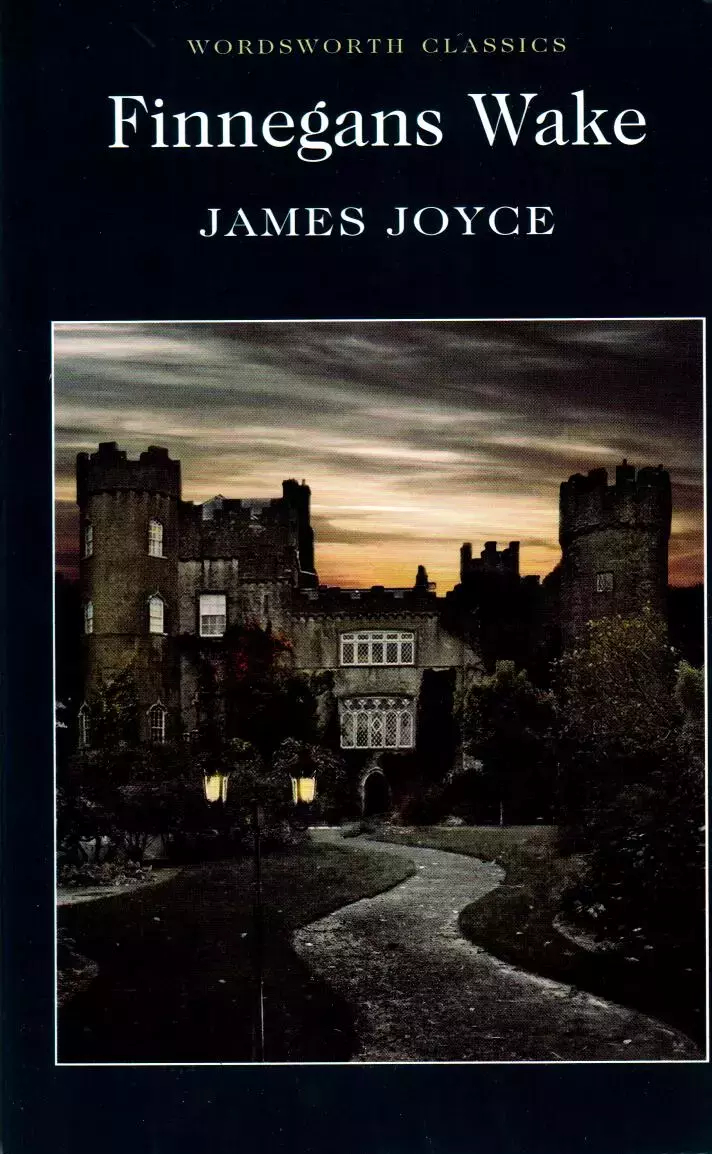
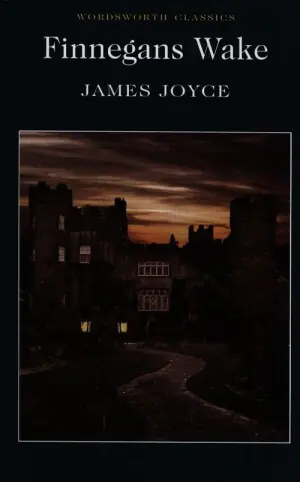
Finnegans Wake
Masz tę lub inne książki?
Sprzedaj je u nas

"Finnegans Wake," the last monumental creation by James Joyce, is a masterclass in the power and flexibility of the written word, standing as one of the most challenging and innovative works in the English language. Crafted with a unique blend of humor, culture, and linguistic gymnastics, Joyce's work transcends traditional storytelling to offer a narrative experience unlike any other.At its core, "Finnegans Wake" is about the fictional Everyman, Here Comes Everybody (HCE), and his wife, Anna Livia Plurabelle, navigating through the complexities of life, intertwined with the lives of their children and the broader community. However, this only scratches the surface of what Joyce achieves in this work. Rather than following a straightforward plot, the novel is a dizzying array of dream sequences, literary allusions, puns, and multilingual play that mirrors the chaos and beauty of human consciousness. Joyce does not simply write in borrowed styles as he did with "Ulysses"; instead, he creates an entirely new "language" that, while based on English vocabulary and syntax, is deliberately designed to act as a "pun machine." This linguistic device resists traditional interpretation and invites the reader into a world where meanings are multiple and fluid. The text of "Finnegans Wake" is a revolution of the word, challenging the reader to forsake the search for a singular meaning and instead embrace a spectrum of possibilities.This "soundscape" that Joyce constructs is not merely for aesthetic pleasure. It serves as a profound cultural critique, reflecting the tumultuous changes in the early 20th century. By destabilizing language and meaning, Joyce mirrors the destabilization of the modern world under the pressures of history, culture, and technology. In this sense, the book is a reflection not only on individual identity but also on the collective identity of society. The novel’s structure is circular, famously beginning with the end of the last sentence and ending with the beginning of the first, symbolizing a perpetual cycle of rebirth and continuity which reflects Joyce's comprehensive view of history and life. This cyclical structure invites multiple readings, each potentially offering new insights and interpretations. "Finnegans Wake" is also noteworthy for its humor, often described as "obscene" for its time, filled with innuendos and playful language that challenge societal norms and censorship. It is a testament to Joyce's genius that he can elicit laughter in what could otherwise be a daunting text. In essence, "Finnegans Wake" is more than a book; it is an experience that defies easy categorization or explanation. It challenges the reader to break free from conventional reading habits and to engage with a text that demands attention, imagination, and a willingness to explore the unknown. This book is highly recommended for readers who appreciate literature that pushes the boundaries of language and thought, offering an endlessly rich text that continues to inspire and provoke long after its publication.For aficionados of literary modernism, Joyce enthusiasts, or any reader looking for a book that provides a window into the limitless potential of language, "Finnegans Wake" is an essential addition to their literary collection. Embrace the challenge and discover why this enigmatic work remains a pivotal part of literary discussions around the world.
Wybierz stan zużycia:
WIĘCEJ O SKALI
"Finnegans Wake," the last monumental creation by James Joyce, is a masterclass in the power and flexibility of the written word, standing as one of the most challenging and innovative works in the English language. Crafted with a unique blend of humor, culture, and linguistic gymnastics, Joyce's work transcends traditional storytelling to offer a narrative experience unlike any other.At its core, "Finnegans Wake" is about the fictional Everyman, Here Comes Everybody (HCE), and his wife, Anna Livia Plurabelle, navigating through the complexities of life, intertwined with the lives of their children and the broader community. However, this only scratches the surface of what Joyce achieves in this work. Rather than following a straightforward plot, the novel is a dizzying array of dream sequences, literary allusions, puns, and multilingual play that mirrors the chaos and beauty of human consciousness. Joyce does not simply write in borrowed styles as he did with "Ulysses"; instead, he creates an entirely new "language" that, while based on English vocabulary and syntax, is deliberately designed to act as a "pun machine." This linguistic device resists traditional interpretation and invites the reader into a world where meanings are multiple and fluid. The text of "Finnegans Wake" is a revolution of the word, challenging the reader to forsake the search for a singular meaning and instead embrace a spectrum of possibilities.This "soundscape" that Joyce constructs is not merely for aesthetic pleasure. It serves as a profound cultural critique, reflecting the tumultuous changes in the early 20th century. By destabilizing language and meaning, Joyce mirrors the destabilization of the modern world under the pressures of history, culture, and technology. In this sense, the book is a reflection not only on individual identity but also on the collective identity of society. The novel’s structure is circular, famously beginning with the end of the last sentence and ending with the beginning of the first, symbolizing a perpetual cycle of rebirth and continuity which reflects Joyce's comprehensive view of history and life. This cyclical structure invites multiple readings, each potentially offering new insights and interpretations. "Finnegans Wake" is also noteworthy for its humor, often described as "obscene" for its time, filled with innuendos and playful language that challenge societal norms and censorship. It is a testament to Joyce's genius that he can elicit laughter in what could otherwise be a daunting text. In essence, "Finnegans Wake" is more than a book; it is an experience that defies easy categorization or explanation. It challenges the reader to break free from conventional reading habits and to engage with a text that demands attention, imagination, and a willingness to explore the unknown. This book is highly recommended for readers who appreciate literature that pushes the boundaries of language and thought, offering an endlessly rich text that continues to inspire and provoke long after its publication.For aficionados of literary modernism, Joyce enthusiasts, or any reader looking for a book that provides a window into the limitless potential of language, "Finnegans Wake" is an essential addition to their literary collection. Embrace the challenge and discover why this enigmatic work remains a pivotal part of literary discussions around the world.
Szczegóły
24.89 zł
nowa
-
24.89 zł
nowa

Inne książki: James Joyce

Podobne produkty
Może Ci się spodobać
Inne książki z tej samej kategorii

Napisz opinię o książce i wygraj nagrodę!
W każdym miesiącu wybieramy najlepsze opinie i nagradzamy recenzentów.
Dowiedz się więcejWartość nagród w tym miesiącu
880 zł
 Opinia użytkownika sklepu
James Joyce’s Finnegans Wake is one of the most challenging and enigmatic works of 20th-century literature. It’s a novel that transcends traditional storytelling, presenting readers with a narrative built on wordplay, neologisms, and a linguistic labyrinth that stretches across multiple languages and dialects. Initially published in 1939, this literary masterpiece is notorious for its difficulty and has remained a source of fascination for scholars, writers, and adventurous readers alike.
Basic Plot: The book defies conventional plotting. Its cyclical structure resembles a dream-like narrative that explores the collective subconscious of humanity. The central figures, HCE (Humphrey Chimpden Earwicker) and ALP (Anna Livia Plurabelle), represent archetypal characters within a broad mythical framework, inviting interpretations of family, history, politics, and mythology. The book’s episodic events seem to flow into one another in a continuous, looping fashion, offering an immersive experience akin to traversing the depths of a vivid dream.
Characters: The novel's primary characters are HCE, a Dublin publican, and his wife, ALP, who embody the roles of both individuals and mythic archetypes. Their children, Shem and Shaun, represent dualities: Shem the Penman embodies artistic rebellion, while Shaun the Postman symbolizes conservative values. Their daughter Issy adds further complexity, often manifesting as both a singular and collective figure representing youth and femininity. Joyce molds these characters into multifaceted symbols that embody themes of familial relationships, generational conflicts, and societal expectations.
Emotional Engagement: The book evokes a wide range of emotions, from bewilderment and frustration to fascination and wonder. Readers may find themselves enchanted by Joyce’s rhythmic language and rich wordplay, drawn into the book’s intricate linguistic world even when its meaning eludes them. This emotional journey is one of the book’s unique appeals, as it invites the reader to explore the fluid boundary between sound and sense.
Writing Style: Joyce’s writing is richly experimental, creating a tapestry of words and sounds that challenge the reader’s understanding of language itself. He crafts a text where syllogisms, portmanteau words, and multilingual puns create an entirely new lexicon. Sentences are layered with meanings that shift and meld into each other, often requiring multiple readings to grasp even a fraction of their implications. This style is simultaneously captivating and bewildering, offering poetic beauty through sounds and rhythms that transcend meaning.
Unique Features: The novel is notable for its ambitious experimentation. Joyce invented new words and blended languages to form a text that is both a linguistic puzzle and a musical composition. Finnegans Wake employs over 20 different languages, creating a universal dialect that encapsulates the chaos and connectivity of human experience.
Reception: Finnegans Wake was initially met with mixed reviews, as many critics struggled with its dense prose and cryptic allusions. However, over time it has been recognized as a groundbreaking work that transformed modern literature. Scholars and readers continue to analyze and debate its themes and symbols, appreciating its linguistic inventiveness and thematic complexity.
Finnegans Wake is a work that rewards patience and curiosity. It’s an ideal book for readers who seek a literary challenge and appreciate experimental fiction that bends and breaks traditional narrative forms. It may be overwhelming for those new to Joyce, but for readers interested in linguistic ingenuity and mythic symbolism, this book is a treasure trove that continues to captivate with each new reading.
Dodaj swoją opinię
Zaloguj się na swoje konto, aby mieć możliwość dodawania opinii.
Czy chcesz zostawić tylko ocenę?
Dodanie samej oceny o książce nie jest brane pod uwagę podczas losowania nagród. By mieć szansę na otrzymanie nagrody musisz napisać opinię o książce.
Już oceniłeś/zrecenzowałeś te książkę w przeszłości.
Możliwe jest dodanie tylko jednej recenzji do każdej z książek.
Sposoby dostawy
Odbiór w punkcie (7)
InPost Paczkomat 24/7

14,99 zł
DPD Pickup Automaty i Punkty Odbioru

10,49 zł





Dostawa na adres (7)
GLS U Ciebie - Kurier

14,99 zł
Kurier DPD

14,99 zł





Sposoby płatności
Płatność z góry
Przedpłata

Zwykły przelew
