Stan książek
Nasze książki są dokładnie sprawdzone i jasno określamy stan każdej z nich.

Nowa
Książka nowa.
Używany - jak nowa
Niezauważalne lub prawie niezauważalne ślady używania. Książkę ciężko odróżnić od nowej pozycji.
Używany - dobry
Normalne ślady używania wynikające z kartkowania podczas czytania, brak większych uszkodzeń lub zagięć.
Używany - widoczne ślady użytkowania
zagięte rogi, przyniszczona okładka, książka posiada wszystkie strony.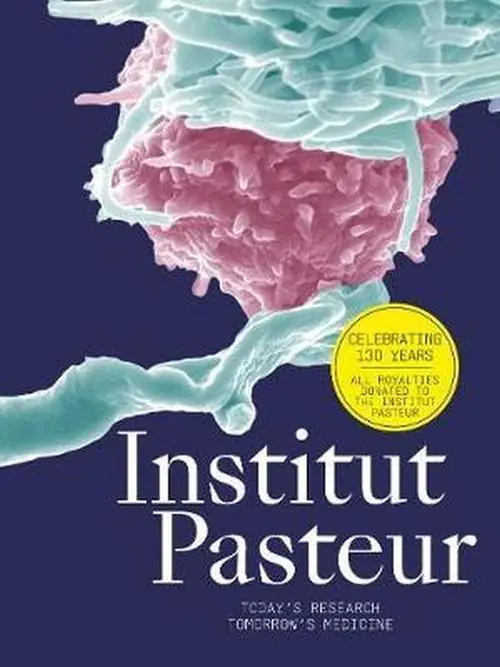
Institut Pasteur
Masz tę lub inne książki?
Sprzedaj je u nas

French biologist and chemist Louis Pasteur (1822-1895) made a groundbreaking impact on medicine and changed lives globally when he successfully created the first rabies vaccine in 1885. Following this landmark achievement, he established the Institut Pasteur in 1887 to combat infectious diseases such as tuberculosis, hepatitis, tetanus, plague, and influenza, among others. Over the past 130 years, this renowned international institution has been at the forefront of transformative discoveries, significantly advancing medical science; notably, it was crucial in identifying HIV in 1983. With its headquarters in Paris, a network of 33 Institutes worldwide, and a legacy of 10 Nobel Prizes, the Institute has left an indelible mark on the world. This comprehensive, illustrated book delves into the Institute’s rich history of pioneering research and its strategic agenda for the future.
Wybierz stan zużycia:
WIĘCEJ O SKALI
French biologist and chemist Louis Pasteur (1822-1895) made a groundbreaking impact on medicine and changed lives globally when he successfully created the first rabies vaccine in 1885. Following this landmark achievement, he established the Institut Pasteur in 1887 to combat infectious diseases such as tuberculosis, hepatitis, tetanus, plague, and influenza, among others. Over the past 130 years, this renowned international institution has been at the forefront of transformative discoveries, significantly advancing medical science; notably, it was crucial in identifying HIV in 1983. With its headquarters in Paris, a network of 33 Institutes worldwide, and a legacy of 10 Nobel Prizes, the Institute has left an indelible mark on the world. This comprehensive, illustrated book delves into the Institute’s rich history of pioneering research and its strategic agenda for the future.
Szczegóły
Inne książki: MarieNeige Cordonnier

Podobne produkty
Może Ci się spodobać
Inne książki z tej samej kategorii

Napisz opinię o książce i wygraj nagrodę!
W każdym miesiącu wybieramy najlepsze opinie i nagradzamy recenzentów.
Dowiedz się więcejWartość nagród w tym miesiącu
880 zł
Dodaj swoją opinię
Zaloguj się na swoje konto, aby mieć możliwość dodawania opinii.
Czy chcesz zostawić tylko ocenę?
Dodanie samej oceny o książce nie jest brane pod uwagę podczas losowania nagród. By mieć szansę na otrzymanie nagrody musisz napisać opinię o książce.
Już oceniłeś/zrecenzowałeś te książkę w przeszłości.
Możliwe jest dodanie tylko jednej recenzji do każdej z książek.
Sposoby dostawy
Odbiór w punkcie (7)
InPost Paczkomat 24/7

14,99 zł
DPD Pickup Automaty i Punkty Odbioru

10,49 zł





Dostawa na adres (7)
GLS U Ciebie - Kurier

14,99 zł
Kurier DPD

14,99 zł





Sposoby płatności
Płatność z góry
Przedpłata

Zwykły przelew
