Stan książek
Nasze książki są dokładnie sprawdzone i jasno określamy stan każdej z nich.
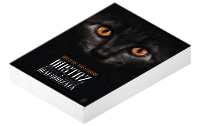

Nowa
Książka nowa.
Używany - jak nowa
Niezauważalne lub prawie niezauważalne ślady używania. Książkę ciężko odróżnić od nowej pozycji.
Używany - dobry
Normalne ślady używania wynikające z kartkowania podczas czytania, brak większych uszkodzeń lub zagięć.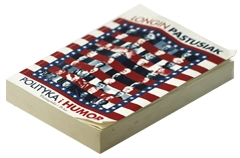
Używany - widoczne ślady użytkowania
zagięte rogi, przyniszczona okładka, książka posiada wszystkie strony.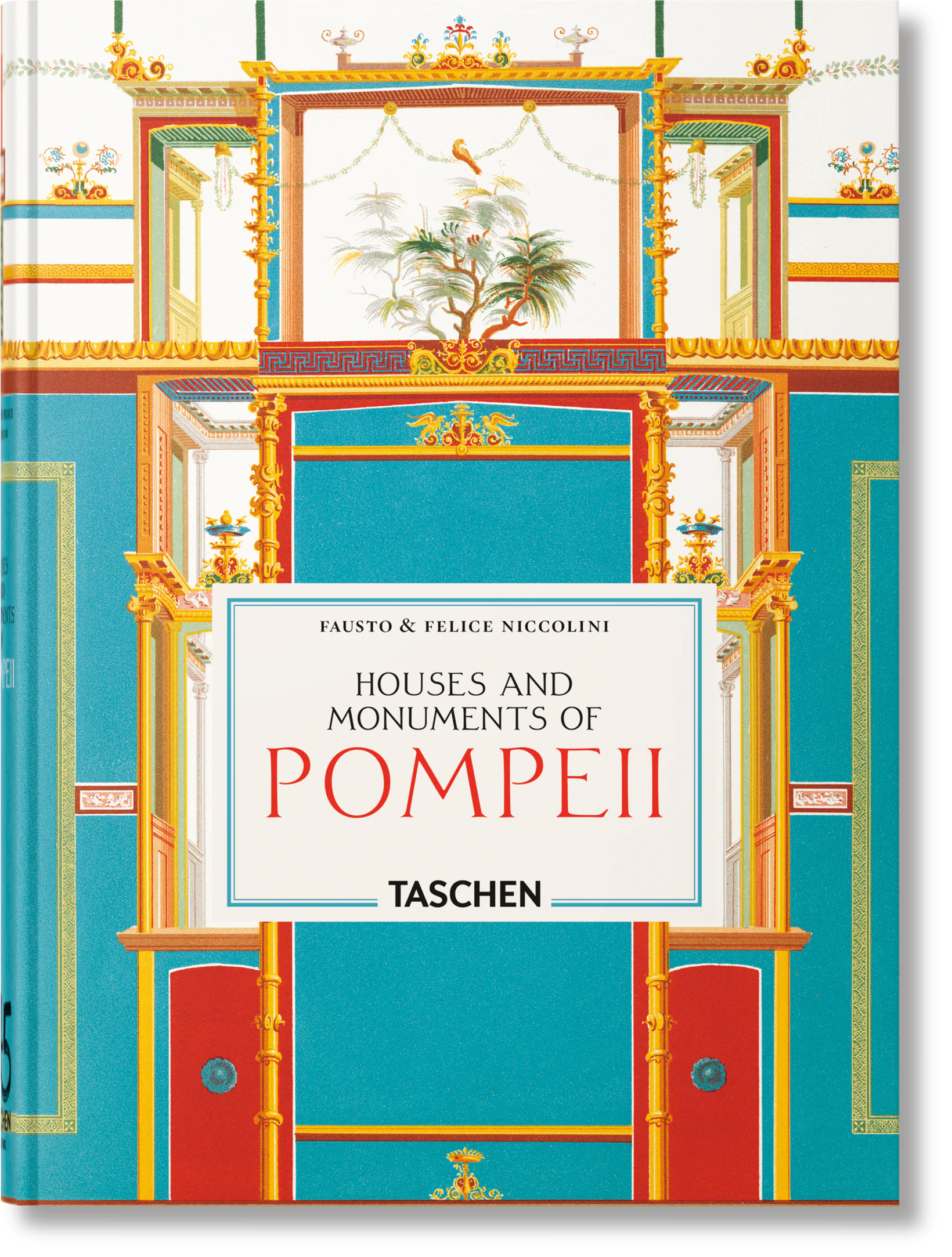
Houses and Monuments of Pompeii
Masz tę lub inne książki?
Sprzedaj je u nas

In the 19th century, during the establishment of a scholarly approach to the archaeological excavations at Pompeii, brothers Fausto and Felice Niccolini were primed to make a significant contribution. Utilizing the then-new technique of color lithography, they meticulously recorded the architecture, frescoes, statues, and everyday items unearthed from the city, which had been engulfed in volcanic ash following Mount Vesuvius's eruption, preserving it for over 1,600 years. The Niccolinis aimed to depict every facet of life in ancient Pompeii. Their work, titled "Le case ed i monumenti di Pompei" ("The Houses and Monuments of Pompeii"), published in parts from 1854 to 1896 in Naples, compiled more than 400 color plates. These plates not only included views, maps, and layouts of the city and its public buildings but also offered a rare glimpse into the private homes of Pompeii. The plates showcased the exquisite painted wall art, complex artworks, and everyday utensils, vividly reconstructing each house into a tangible domestic environment. The collection also featured depictions of life in Pompeii’s workshops, taverns, shops, public spaces, temples, theaters, and baths. This careful reproduction celebrates the impressive work of the Niccolinis with selected color plates and two introductory essays that contextualize the project and introduce the key figures in the Vesuvian excavations. Additionally, the publication examines how Pompeian art—and the poignant plaster casts of the eruption's victims—inspired the visual arts, influencing artists like Robert Adam, Anton Raphael Mengs, Angelika Kaufmann, Jean-Auguste-Dominique Ingres, Lawrence Alma-Tadema, Pablo Picasso, and Giorgio de Chirico, up to more contemporary figures such as Duane Hanson and George Segal.
Wybierz stan zużycia:
WIĘCEJ O SKALI
In the 19th century, during the establishment of a scholarly approach to the archaeological excavations at Pompeii, brothers Fausto and Felice Niccolini were primed to make a significant contribution. Utilizing the then-new technique of color lithography, they meticulously recorded the architecture, frescoes, statues, and everyday items unearthed from the city, which had been engulfed in volcanic ash following Mount Vesuvius's eruption, preserving it for over 1,600 years. The Niccolinis aimed to depict every facet of life in ancient Pompeii. Their work, titled "Le case ed i monumenti di Pompei" ("The Houses and Monuments of Pompeii"), published in parts from 1854 to 1896 in Naples, compiled more than 400 color plates. These plates not only included views, maps, and layouts of the city and its public buildings but also offered a rare glimpse into the private homes of Pompeii. The plates showcased the exquisite painted wall art, complex artworks, and everyday utensils, vividly reconstructing each house into a tangible domestic environment. The collection also featured depictions of life in Pompeii’s workshops, taverns, shops, public spaces, temples, theaters, and baths. This careful reproduction celebrates the impressive work of the Niccolinis with selected color plates and two introductory essays that contextualize the project and introduce the key figures in the Vesuvian excavations. Additionally, the publication examines how Pompeian art—and the poignant plaster casts of the eruption's victims—inspired the visual arts, influencing artists like Robert Adam, Anton Raphael Mengs, Angelika Kaufmann, Jean-Auguste-Dominique Ingres, Lawrence Alma-Tadema, Pablo Picasso, and Giorgio de Chirico, up to more contemporary figures such as Duane Hanson and George Segal.
Szczegóły
Inne książki tych autorów

Podobne produkty
Może Ci się spodobać
Inne książki z tej samej kategorii

Napisz opinię o książce i wygraj nagrodę!
W każdym miesiącu wybieramy najlepsze opinie i nagradzamy recenzentów.
Dowiedz się więcejWartość nagród w tym miesiącu
880 zł
Dodaj swoją opinię
Zaloguj się na swoje konto, aby mieć możliwość dodawania opinii.
Czy chcesz zostawić tylko ocenę?
Dodanie samej oceny o książce nie jest brane pod uwagę podczas losowania nagród. By mieć szansę na otrzymanie nagrody musisz napisać opinię o książce.
Już oceniłeś/zrecenzowałeś te książkę w przeszłości.
Możliwe jest dodanie tylko jednej recenzji do każdej z książek.
Sposoby dostawy
Płatne z góry

InPost Paczkomaty 24/7
13.99 zł
Darmowa od 190 zł

ORLEN Paczka
12.99 zł
Darmowa od 190 zł

Automaty DHL BOX 24/7 i punkty POP
12.99 zł
Darmowa od 190 zł

DPD Pickup Automaty i Punkty Odbioru
8.99 zł
Darmowa od 190 zł

Automaty Orlen Paczka, sklepy Żabka i inne
12.99 zł
Darmowa od 190 zł

GLS U Ciebie - Kurier
14.99 zł
Darmowa od 190 zł

Kurier DPD
14.99 zł
Darmowa od 190 zł

Kurier InPost
14.99 zł
Darmowa od 190 zł

Pocztex Kurier
13.99 zł
Darmowa od 190 zł

Kurier DHL
14.99 zł
Darmowa od 190 zł

Kurier GLS - kraje UE
69.00 zł

Punkt odbioru (Dębica)
2.99 zł
Darmowa od 190 zł
Płatne przy odbiorze

Kurier GLS pobranie
23.99 zł
Sposoby płatności
Płatność z góry
Przedpłata

Zwykły przelew
