Stan książek
Nasze książki są dokładnie sprawdzone i jasno określamy stan każdej z nich.
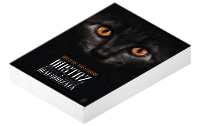

Nowa
Książka nowa.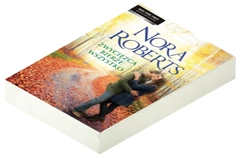
Używany - jak nowa
Niezauważalne lub prawie niezauważalne ślady używania. Książkę ciężko odróżnić od nowej pozycji.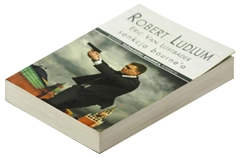
Używany - dobry
Normalne ślady używania wynikające z kartkowania podczas czytania, brak większych uszkodzeń lub zagięć.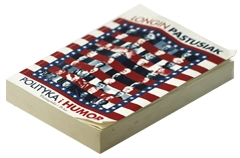
Używany - widoczne ślady użytkowania
zagięte rogi, przyniszczona okładka, książka posiada wszystkie strony.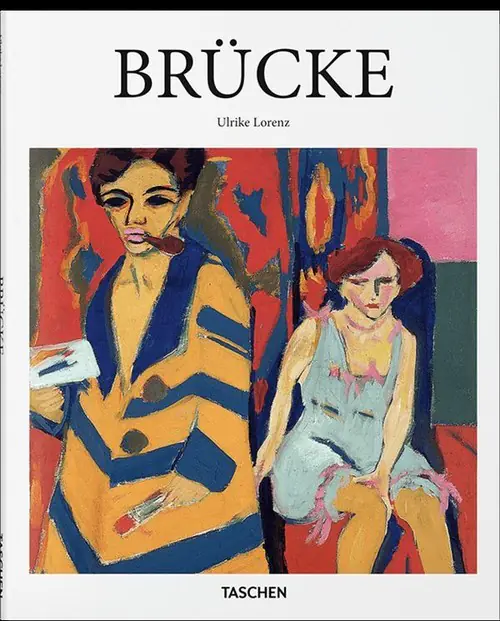
Brucke
Masz tę lub inne książki?
Sprzedaj je u nas

In the vibrant city of Dresden, on the 7th of June, 1905, the formation of the artists’ collective known as Die Brücke marked a significant moment in the advent of Expressionism. Spearheaded by the dynamic figures of Ernst Ludwig Kirchner, Fritz Bleyl, Erich Heckel, and Karl Schmidt-Rottluff, the group aimed to transcend the constraints of academic tradition and, true to the meaning of their name, build a bridge to an innovative artistic future. Their manifesto, characteristically produced using woodblock printing, demanded unfettered creative expression, both in their artworks and their personal lives.This adventurous new art movement embraced the creation of portraits, landscapes, and urban scenes, but replaced objective realism with an exploration of internal landscapes. In their paintings and preferred techniques of wood and linocut printing, Die Brücke artists occupied canvases with bold, angular lines, raw forms, and contrasting colors, all designed to convey their subjective perception of the world around them. Much like the Fauves, they drew stylistic influence from Oceanic and African art traditions, while simultaneously revisiting the techniques employed by Albrecht Dürer and Lucas Cranach the Elder.This beautifully illustrated volume offers an in-depth exploration of this pivotal expressionist movement. It delves into the major works and key figures of Die Brücke, examines its diverse international influences, and discusses its significant impact on the art of the 20th century. Throughout its pages, readers will encounter sincere depictions of nudes, bustling street scenes, and idyllic images of leisure and joy, each brimming with vitality and the zeal for crafting a completely new form of art.
Wybierz stan zużycia:
WIĘCEJ O SKALI
In the vibrant city of Dresden, on the 7th of June, 1905, the formation of the artists’ collective known as Die Brücke marked a significant moment in the advent of Expressionism. Spearheaded by the dynamic figures of Ernst Ludwig Kirchner, Fritz Bleyl, Erich Heckel, and Karl Schmidt-Rottluff, the group aimed to transcend the constraints of academic tradition and, true to the meaning of their name, build a bridge to an innovative artistic future. Their manifesto, characteristically produced using woodblock printing, demanded unfettered creative expression, both in their artworks and their personal lives.This adventurous new art movement embraced the creation of portraits, landscapes, and urban scenes, but replaced objective realism with an exploration of internal landscapes. In their paintings and preferred techniques of wood and linocut printing, Die Brücke artists occupied canvases with bold, angular lines, raw forms, and contrasting colors, all designed to convey their subjective perception of the world around them. Much like the Fauves, they drew stylistic influence from Oceanic and African art traditions, while simultaneously revisiting the techniques employed by Albrecht Dürer and Lucas Cranach the Elder.This beautifully illustrated volume offers an in-depth exploration of this pivotal expressionist movement. It delves into the major works and key figures of Die Brücke, examines its diverse international influences, and discusses its significant impact on the art of the 20th century. Throughout its pages, readers will encounter sincere depictions of nudes, bustling street scenes, and idyllic images of leisure and joy, each brimming with vitality and the zeal for crafting a completely new form of art.
Szczegóły
Dane producenta:
Inne książki: Ulrike Lorenz

Podobne produkty
Może Ci się spodobać
Inne książki z tej samej kategorii

Napisz opinię o książce i wygraj nagrodę!
W każdym miesiącu wybieramy najlepsze opinie i nagradzamy recenzentów.
Dowiedz się więcejWartość nagród w tym miesiącu
880 zł
Dodaj swoją opinię
Zaloguj się na swoje konto, aby mieć możliwość dodawania opinii.
Czy chcesz zostawić tylko ocenę?
Dodanie samej oceny o książce nie jest brane pod uwagę podczas losowania nagród. By mieć szansę na otrzymanie nagrody musisz napisać opinię o książce.
Już oceniłeś/zrecenzowałeś te książkę w przeszłości.
Możliwe jest dodanie tylko jednej recenzji do każdej z książek.
Sposoby dostawy
Odbiór w punkcie (7)
InPost Paczkomat 24/7

14,99 zł
DPD Pickup Automaty i Punkty Odbioru

10,49 zł





Dostawa na adres (7)
GLS U Ciebie - Kurier
14,99 zł
Kurier DPD

14,99 zł





Sposoby płatności
Płatność z góry
Przedpłata

Zwykły przelew
