Stan książek
Nasze książki są dokładnie sprawdzone i jasno określamy stan każdej z nich.


Nowa
Książka nowa.
Używany - jak nowa
Niezauważalne lub prawie niezauważalne ślady używania. Książkę ciężko odróżnić od nowej pozycji.
Używany - dobry
Normalne ślady używania wynikające z kartkowania podczas czytania, brak większych uszkodzeń lub zagięć.
Używany - widoczne ślady użytkowania
zagięte rogi, przyniszczona okładka, książka posiada wszystkie strony.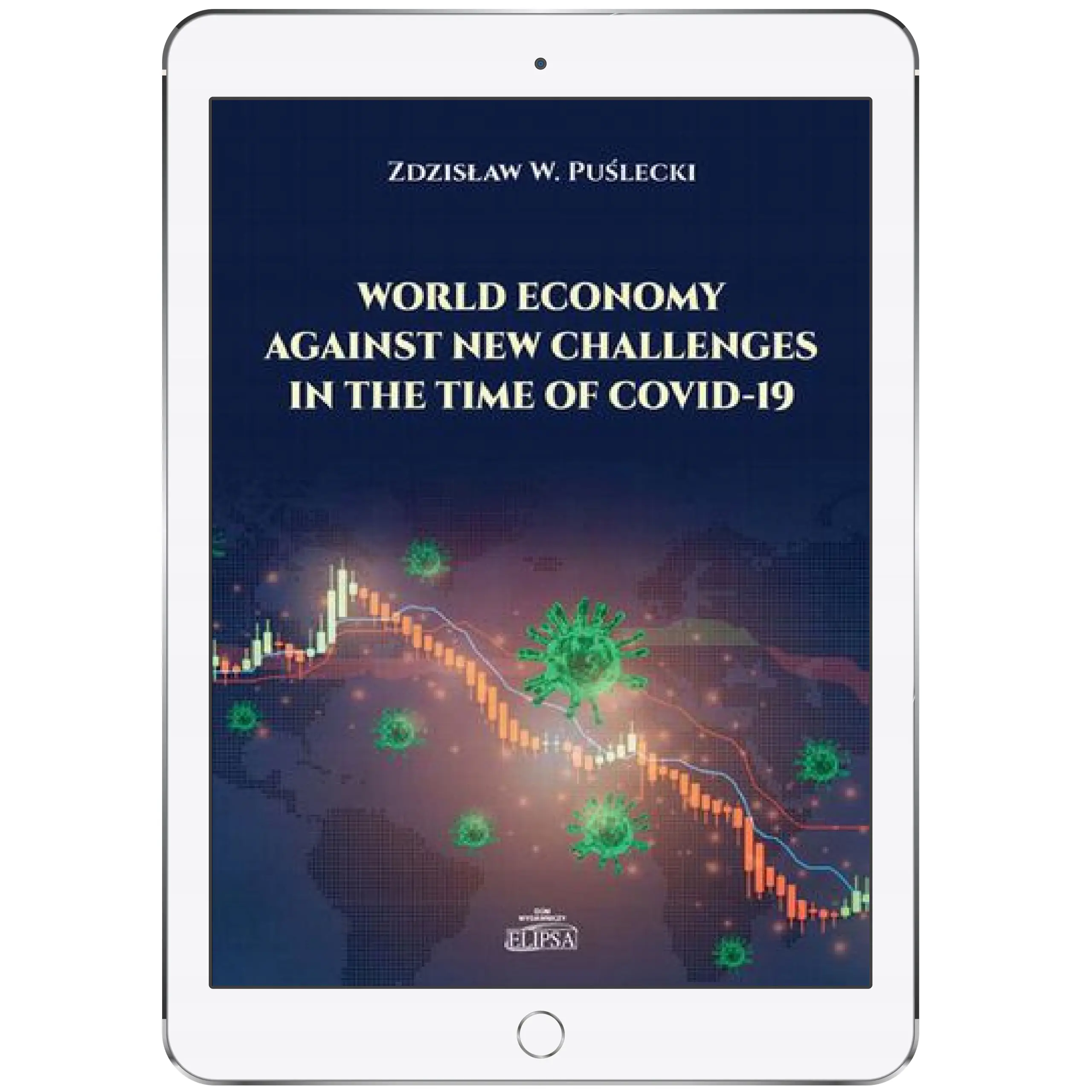
World Economy Against New Challenges in the Time..
Masz tę lub inne książki?
Sprzedaj je u nas

In the 21st century, the world economy faces a multitude of challenges, particularly highlighted during the COVID-19 pandemic. Key developments have emerged, notably within the European Union, which continues to adapt to the shifting global economic landscape. Amid these changes, significant attention has been directed towards China, especially following its historic accession to the World Trade Organization (WTO), a move that marked a pivotal evolution of the WTO into a more global entity. This decision allowed China to open its vast market to international competition, setting the stage for transformative economic engagements.The economic crises encountered at the turn of the 21st century, coupled with the impacts of the pandemic, have necessitated comprehensive stimulus plans across various economies. The book's author meticulously examines the resurgence of protectionist tendencies, alongside a growing preference for bilateral and regional trade agreements in modern foreign trade policies. A significant component of this analysis is the evolving trade regime, emphasizing the critical role bilateral agreements play in shaping contemporary trade dynamics.Throughout the book, the author delves into various themes over several chapters. There's a focus on the World Trade Organization's challenges, as well as the contrasting liberal and anti-liberal economic policies prevalent in East-Central European nations. Furthermore, the competitive landscape of Eastern Central Europe, the Baltic states, and Russia within the realms of regionalization and globalization is dissected.Special attention is given to China's impact, where the liberalization of its foreign trade policy has spurred significant industrial growth and economic expansion. Innovation and knowledge serve as pillars for enhancing the European Union's global competitiveness, particularly when comparing it against the USA, Japan, and emerging BRICSAM nations.The text also evaluates the obstacles faced in negotiating the Transatlantic Trade and Investment Partnership (TTIP) and explores the possible ramifications of a trade conflict between the United States and China. Finally, the ambitious Belt and Road Initiative (BRI) spearheaded by China is presented as a strategic effort to boost global connectivity and development. In conclusion, the book underscores the urgent need to redefine trade relations between the European Union and China amidst the ongoing challenges posed by the COVID-19 pandemic.
Wybierz stan zużycia:
WIĘCEJ O SKALI
In the 21st century, the world economy faces a multitude of challenges, particularly highlighted during the COVID-19 pandemic. Key developments have emerged, notably within the European Union, which continues to adapt to the shifting global economic landscape. Amid these changes, significant attention has been directed towards China, especially following its historic accession to the World Trade Organization (WTO), a move that marked a pivotal evolution of the WTO into a more global entity. This decision allowed China to open its vast market to international competition, setting the stage for transformative economic engagements.The economic crises encountered at the turn of the 21st century, coupled with the impacts of the pandemic, have necessitated comprehensive stimulus plans across various economies. The book's author meticulously examines the resurgence of protectionist tendencies, alongside a growing preference for bilateral and regional trade agreements in modern foreign trade policies. A significant component of this analysis is the evolving trade regime, emphasizing the critical role bilateral agreements play in shaping contemporary trade dynamics.Throughout the book, the author delves into various themes over several chapters. There's a focus on the World Trade Organization's challenges, as well as the contrasting liberal and anti-liberal economic policies prevalent in East-Central European nations. Furthermore, the competitive landscape of Eastern Central Europe, the Baltic states, and Russia within the realms of regionalization and globalization is dissected.Special attention is given to China's impact, where the liberalization of its foreign trade policy has spurred significant industrial growth and economic expansion. Innovation and knowledge serve as pillars for enhancing the European Union's global competitiveness, particularly when comparing it against the USA, Japan, and emerging BRICSAM nations.The text also evaluates the obstacles faced in negotiating the Transatlantic Trade and Investment Partnership (TTIP) and explores the possible ramifications of a trade conflict between the United States and China. Finally, the ambitious Belt and Road Initiative (BRI) spearheaded by China is presented as a strategic effort to boost global connectivity and development. In conclusion, the book underscores the urgent need to redefine trade relations between the European Union and China amidst the ongoing challenges posed by the COVID-19 pandemic.
Szczegóły
Inne książki tych autorów

Podobne produkty
Może Ci się spodobać
Inne książki z tej samej kategorii

Napisz opinię o książce i wygraj nagrodę!
W każdym miesiącu wybieramy najlepsze opinie i nagradzamy recenzentów.
Dowiedz się więcejWartość nagród w tym miesiącu
880 zł
Dodaj swoją opinię
Zaloguj się na swoje konto, aby mieć możliwość dodawania opinii.
Czy chcesz zostawić tylko ocenę?
Dodanie samej oceny o książce nie jest brane pod uwagę podczas losowania nagród. By mieć szansę na otrzymanie nagrody musisz napisać opinię o książce.
Już oceniłeś/zrecenzowałeś te książkę w przeszłości.
Możliwe jest dodanie tylko jednej recenzji do każdej z książek.
Sposoby dostawy
Odbiór w punkcie (7)
InPost Paczkomat 24/7

14,99 zł
DPD Pickup Automaty i Punkty Odbioru

10,49 zł





Dostawa na adres (7)
GLS U Ciebie - Kurier

14,99 zł
Kurier DPD

14,99 zł





Sposoby płatności
Płatność z góry
Przedpłata

Zwykły przelew
