Stan książek
Nasze książki są dokładnie sprawdzone i jasno określamy stan każdej z nich.


Nowa
Książka nowa.
Używany - jak nowa
Niezauważalne lub prawie niezauważalne ślady używania. Książkę ciężko odróżnić od nowej pozycji.
Używany - dobry
Normalne ślady używania wynikające z kartkowania podczas czytania, brak większych uszkodzeń lub zagięć.
Używany - widoczne ślady użytkowania
zagięte rogi, przyniszczona okładka, książka posiada wszystkie strony.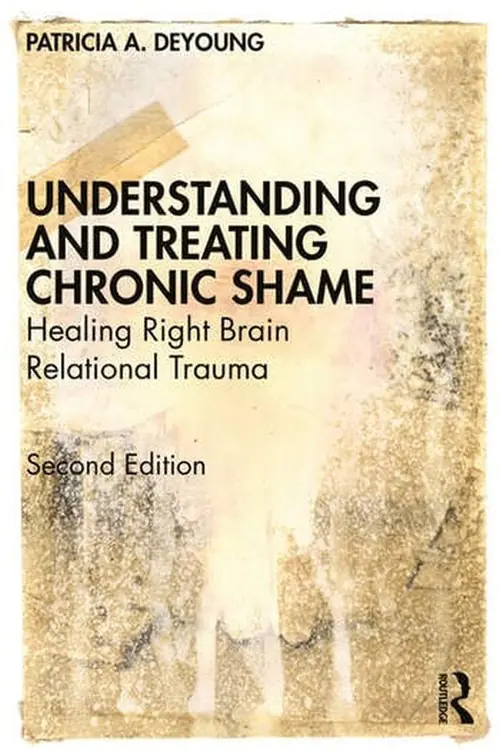
Understanding and Treating Chronic Shame. Healing Right Brain Relational Trauma
Masz tę lub inne książki?
Sprzedaj je u nas

A comprehensive integration of relational and attachment theories, neurobiology, and current psychoanalytical thought, _Understanding and Treating Chronic Shame_ is widely acknowledged as a key work on the subject of shame. The second edition enriches this by incorporating the latest theoretical advancements in trauma, resilience to shame, and self-compassion, offering a clearer understanding of the relational, right-brain core involved in experiencing and addressing shame. Newly added chapters expand the theoretical discussion into practical application. During a period highlighted by the national Truth and Reconciliation Commission and the global Black Lives Matter movement, the section _Societies of Chronic Shame_ encourages therapists to become more cognizant of collective social trauma and to reflect on their own roles in the larger framework of societal shame. _Three Faces of Shame_ provides structured guidance for differential diagnosis and appropriate treatment, distilling the book’s clinical insights. Written with clarity and empathy, this text tackles the significant challenges encountered in clinical practice and explores the profound depths of human existence.
Wybierz stan zużycia:
WIĘCEJ O SKALI
A comprehensive integration of relational and attachment theories, neurobiology, and current psychoanalytical thought, _Understanding and Treating Chronic Shame_ is widely acknowledged as a key work on the subject of shame. The second edition enriches this by incorporating the latest theoretical advancements in trauma, resilience to shame, and self-compassion, offering a clearer understanding of the relational, right-brain core involved in experiencing and addressing shame. Newly added chapters expand the theoretical discussion into practical application. During a period highlighted by the national Truth and Reconciliation Commission and the global Black Lives Matter movement, the section _Societies of Chronic Shame_ encourages therapists to become more cognizant of collective social trauma and to reflect on their own roles in the larger framework of societal shame. _Three Faces of Shame_ provides structured guidance for differential diagnosis and appropriate treatment, distilling the book’s clinical insights. Written with clarity and empathy, this text tackles the significant challenges encountered in clinical practice and explores the profound depths of human existence.
Szczegóły
Inne książki tych autorów

Podobne produkty
Może Ci się spodobać
Inne książki z tej samej kategorii

Napisz opinię o książce i wygraj nagrodę!
W każdym miesiącu wybieramy najlepsze opinie i nagradzamy recenzentów.
Dowiedz się więcejWartość nagród w tym miesiącu
880 zł
Dodaj swoją opinię
Zaloguj się na swoje konto, aby mieć możliwość dodawania opinii.
Czy chcesz zostawić tylko ocenę?
Dodanie samej oceny o książce nie jest brane pod uwagę podczas losowania nagród. By mieć szansę na otrzymanie nagrody musisz napisać opinię o książce.
Już oceniłeś/zrecenzowałeś te książkę w przeszłości.
Możliwe jest dodanie tylko jednej recenzji do każdej z książek.
Sposoby dostawy
Odbiór w punkcie (7)
InPost Paczkomat 24/7

14,99 zł
DPD Pickup Automaty i Punkty Odbioru

10,49 zł





Dostawa na adres (7)
GLS U Ciebie - Kurier

14,99 zł
Kurier DPD

14,99 zł





Sposoby płatności
Płatność z góry
Przedpłata

Zwykły przelew
