Stan książek
Nasze książki są dokładnie sprawdzone i jasno określamy stan każdej z nich.

Nowa
Książka nowa.
Używany - jak nowa
Niezauważalne lub prawie niezauważalne ślady używania. Książkę ciężko odróżnić od nowej pozycji.
Używany - dobry
Normalne ślady używania wynikające z kartkowania podczas czytania, brak większych uszkodzeń lub zagięć.
Używany - widoczne ślady użytkowania
zagięte rogi, przyniszczona okładka, książka posiada wszystkie strony.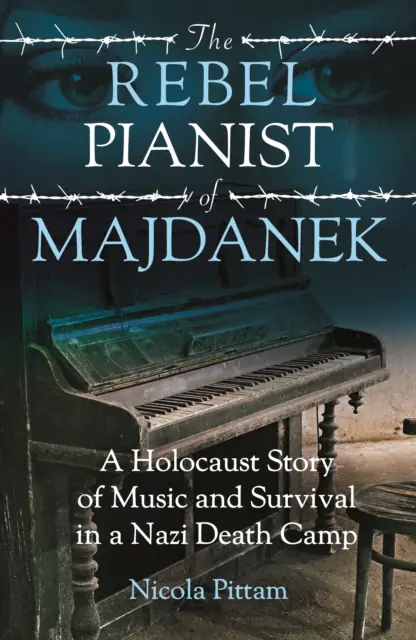
The Rebel Pianist of Majdanek
Masz tę lub inne książki?
Sprzedaj je u nas

An inspiring and powerful tale of a woman's defiance against the Nazis, driven by her passion for music, promises to leave a lasting impression on readers. Former Polish piano prodigy Mosha Gebert faces unimaginable challenges when the Nazis invade. After witnessing the murder of her student, Mosha is taken to the Majdanek concentration camp. There, she catches the eye of Commandant Josef Hanke, who recognizes her as the pianist he had once been infatuated with. Hanke demands that she perform 'Ode to Joy' for him, but Mosha's refusal is resolute; she will not play in such a despicable place or for a man she despises.What follows is a clash of wills, with Mosha enduring relentless torment. Even when Hanke causes her to lose her hearing, she remains defiant. Her sister's arrival at the camp adds another layer of emotional blackmail, yet Mosha's hatred for Hanke and the Nazis only strengthens her resolve. Despite the severe consequences her sister faces, Mosha stands firm and instead rallies the women by teaching them camp songs. Hanke's frustration peaks as he inflicts injury on Mosha by breaking one of her fingers. In a desperate act of self-preservation, Mosha persuades guard Elsa to crush her remaining fingers with a rock. This crippling decision marks Mosha's ultimate form of defiance, but its impact on Hanke remains uncertain. Will he forgive her audacity, or will it be the final straw that breaks him?
Wybierz stan zużycia:
WIĘCEJ O SKALI
An inspiring and powerful tale of a woman's defiance against the Nazis, driven by her passion for music, promises to leave a lasting impression on readers. Former Polish piano prodigy Mosha Gebert faces unimaginable challenges when the Nazis invade. After witnessing the murder of her student, Mosha is taken to the Majdanek concentration camp. There, she catches the eye of Commandant Josef Hanke, who recognizes her as the pianist he had once been infatuated with. Hanke demands that she perform 'Ode to Joy' for him, but Mosha's refusal is resolute; she will not play in such a despicable place or for a man she despises.What follows is a clash of wills, with Mosha enduring relentless torment. Even when Hanke causes her to lose her hearing, she remains defiant. Her sister's arrival at the camp adds another layer of emotional blackmail, yet Mosha's hatred for Hanke and the Nazis only strengthens her resolve. Despite the severe consequences her sister faces, Mosha stands firm and instead rallies the women by teaching them camp songs. Hanke's frustration peaks as he inflicts injury on Mosha by breaking one of her fingers. In a desperate act of self-preservation, Mosha persuades guard Elsa to crush her remaining fingers with a rock. This crippling decision marks Mosha's ultimate form of defiance, but its impact on Hanke remains uncertain. Will he forgive her audacity, or will it be the final straw that breaks him?
Szczegóły
Inne książki: Nicola Pittam

Podobne produkty
Może Ci się spodobać
Inne książki z tej samej kategorii

Napisz opinię o książce i wygraj nagrodę!
W każdym miesiącu wybieramy najlepsze opinie i nagradzamy recenzentów.
Dowiedz się więcejWartość nagród w tym miesiącu
880 zł
Dodaj swoją opinię
Zaloguj się na swoje konto, aby mieć możliwość dodawania opinii.
Czy chcesz zostawić tylko ocenę?
Dodanie samej oceny o książce nie jest brane pod uwagę podczas losowania nagród. By mieć szansę na otrzymanie nagrody musisz napisać opinię o książce.
Już oceniłeś/zrecenzowałeś te książkę w przeszłości.
Możliwe jest dodanie tylko jednej recenzji do każdej z książek.
Sposoby dostawy
Odbiór w punkcie (7)
InPost Paczkomat 24/7

14,99 zł
DPD Pickup Automaty i Punkty Odbioru

11,99 zł





Dostawa na adres (7)
GLS U Ciebie - Kurier

14,99 zł
Kurier DPD

14,99 zł





Sposoby płatności
Płatność z góry
Przedpłata

Zwykły przelew
