Stan książek
Nasze książki są dokładnie sprawdzone i jasno określamy stan każdej z nich.


Nowa
Książka nowa.
Używany - jak nowa
Niezauważalne lub prawie niezauważalne ślady używania. Książkę ciężko odróżnić od nowej pozycji.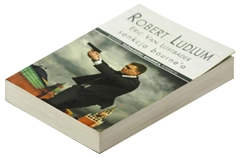
Używany - dobry
Normalne ślady używania wynikające z kartkowania podczas czytania, brak większych uszkodzeń lub zagięć.
Używany - widoczne ślady użytkowania
zagięte rogi, przyniszczona okładka, książka posiada wszystkie strony.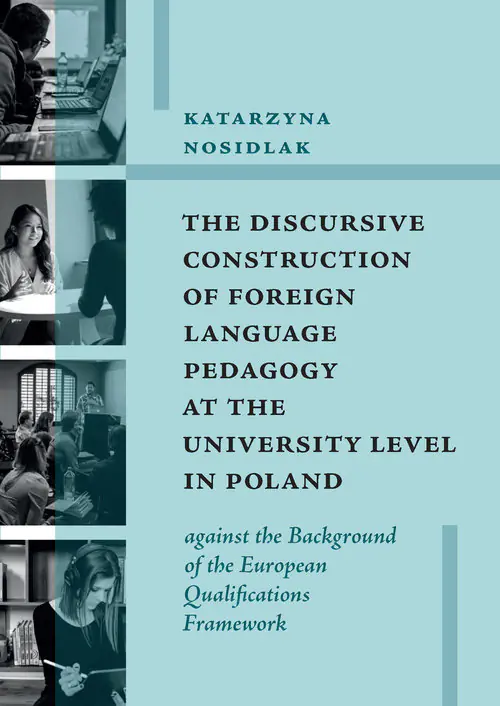
The Discursive Construction of Foreign Language...
Masz tę lub inne książki?
Sprzedaj je u nas

Katarzyna Nosidlak's book delves into the theory and application of foreign language pedagogy on a national scale, particularly addressing the higher education systems in Poland as they face international benchmarks. It touches upon current discussions around educational language policies in Europe, emphasizing their influence on shaping a shared global perspective, with a focus on English as a second language. The work highlights the European and Polish Qualifications Frameworks as mechanisms for harmonizing and evaluating educational content and outcomes across EU countries, spanning from basic to advanced levels. This exploration significantly broadens the understanding of foreign language education in the context of evolving educational laws. The book is notable for underscoring the impact of discourse and discursive practices within society, illustrated through the development of Poland's education system in language teaching. It sheds light on how social constructivist perspectives affect communication strategies in foreign language instruction, and it offers a thorough summary of legal documents and literature on the qualifications framework for lifelong learning.
Wybierz stan zużycia:
WIĘCEJ O SKALI
Katarzyna Nosidlak's book delves into the theory and application of foreign language pedagogy on a national scale, particularly addressing the higher education systems in Poland as they face international benchmarks. It touches upon current discussions around educational language policies in Europe, emphasizing their influence on shaping a shared global perspective, with a focus on English as a second language. The work highlights the European and Polish Qualifications Frameworks as mechanisms for harmonizing and evaluating educational content and outcomes across EU countries, spanning from basic to advanced levels. This exploration significantly broadens the understanding of foreign language education in the context of evolving educational laws. The book is notable for underscoring the impact of discourse and discursive practices within society, illustrated through the development of Poland's education system in language teaching. It sheds light on how social constructivist perspectives affect communication strategies in foreign language instruction, and it offers a thorough summary of legal documents and literature on the qualifications framework for lifelong learning.
Szczegóły
Inne książki tych autorów

Podobne produkty
Może Ci się spodobać
Inne książki z tej samej kategorii

Napisz opinię o książce i wygraj nagrodę!
W każdym miesiącu wybieramy najlepsze opinie i nagradzamy recenzentów.
Dowiedz się więcejWartość nagród w tym miesiącu
880 zł
Dodaj swoją opinię
Zaloguj się na swoje konto, aby mieć możliwość dodawania opinii.
Czy chcesz zostawić tylko ocenę?
Dodanie samej oceny o książce nie jest brane pod uwagę podczas losowania nagród. By mieć szansę na otrzymanie nagrody musisz napisać opinię o książce.
Już oceniłeś/zrecenzowałeś te książkę w przeszłości.
Możliwe jest dodanie tylko jednej recenzji do każdej z książek.
Sposoby dostawy
Odbiór w punkcie (7)
InPost Paczkomat 24/7

14,99 zł
DPD Pickup Automaty i Punkty Odbioru

10,49 zł




Dostawa na adres (7)
GLS U Ciebie - Kurier

14,99 zł
Kurier DPD

14,99 zł





Sposoby płatności
Płatność z góry
Przedpłata

Zwykły przelew
