Stan książek
Nasze książki są dokładnie sprawdzone i jasno określamy stan każdej z nich.

Nowa
Książka nowa.
Używany - jak nowa
Niezauważalne lub prawie niezauważalne ślady używania. Książkę ciężko odróżnić od nowej pozycji.
Używany - dobry
Normalne ślady używania wynikające z kartkowania podczas czytania, brak większych uszkodzeń lub zagięć.
Używany - widoczne ślady użytkowania
zagięte rogi, przyniszczona okładka, książka posiada wszystkie strony.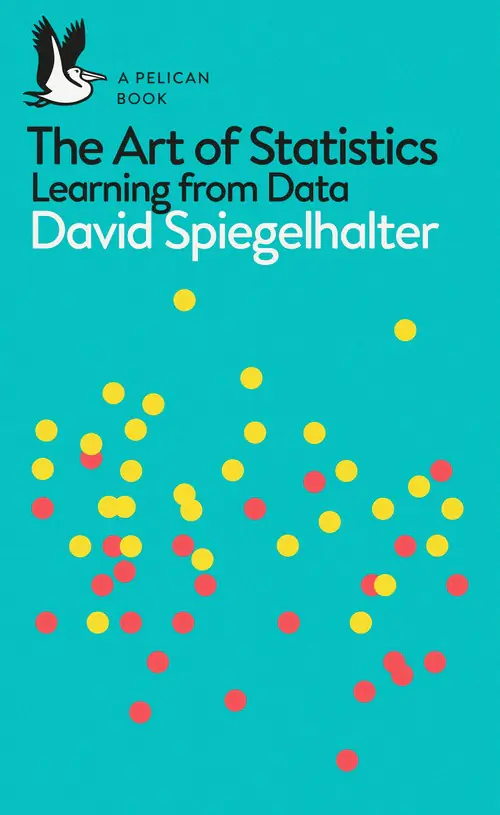
The Art of Statistics
DODAJ DO LISTY ŻYCZEŃ
Masz tę lub inne książki?
Sprzedaj je u nas

Statistics has been central to our comprehension of the world around us for countless generations, yet it's well known how statistical information can sometimes be exaggerated, especially in media outlets. In our current era dominated by big data, where data science is a rapidly growing field, having a fundamental understanding of statistical concepts is crucial. In his book, *The Art of Statistics*, David Spiegelhalter provides a comprehensive guide to the core principles that enable us to extract insights from data. By using real-world examples to explore conceptual challenges, he demonstrates how statistics can illuminate who the luckiest passenger on the Titanic was, whether the serial killer Harold Shipman could have been identified earlier, and the potential benefits of ovarian cancer screening. Spiegelhalter delves into intriguing questions such as the number of trees on Earth, the correlation between hospital busyness and survival rates, and the reason behind older men's large ears, uncovering answers that could only be explained through statistical analysis.
Wybierz stan zużycia:
WIĘCEJ O SKALI
nowa
jak nowa
36,68 zł
dobry
Pakujemy jutro

- normalne ślady użytkowania wynikające z kartkowania podczas czytania
- brak większych uszkodzeń lub zagięć
widoczne ślady używania
Statistics has been central to our comprehension of the world around us for countless generations, yet it's well known how statistical information can sometimes be exaggerated, especially in media outlets. In our current era dominated by big data, where data science is a rapidly growing field, having a fundamental understanding of statistical concepts is crucial. In his book, *The Art of Statistics*, David Spiegelhalter provides a comprehensive guide to the core principles that enable us to extract insights from data. By using real-world examples to explore conceptual challenges, he demonstrates how statistics can illuminate who the luckiest passenger on the Titanic was, whether the serial killer Harold Shipman could have been identified earlier, and the potential benefits of ovarian cancer screening. Spiegelhalter delves into intriguing questions such as the number of trees on Earth, the correlation between hospital busyness and survival rates, and the reason behind older men's large ears, uncovering answers that could only be explained through statistical analysis.
Szczegóły
Inne książki: David Spiegelhalter

Podobne produkty
Może Ci się spodobać
Inne książki z tej samej kategorii

Napisz opinię o książce i wygraj nagrodę!
W każdym miesiącu wybieramy najlepsze opinie i nagradzamy recenzentów.
Dowiedz się więcejWartość nagród w tym miesiącu
880,00 zł
Dodaj swoją opinię
Zaloguj się na swoje konto, aby mieć możliwość dodawania opinii.
Czy chcesz zostawić tylko ocenę?
Dodanie samej oceny o książce nie jest brane pod uwagę podczas losowania nagród. By mieć szansę na otrzymanie nagrody musisz napisać opinię o książce.
Już oceniłeś/zrecenzowałeś te książkę w przeszłości.
Możliwe jest dodanie tylko jednej recenzji do każdej z książek.
Sposoby dostawy
Odbiór w punkcie (8)
InPost Paczkomat 24/7

14,99 zł
ORLEN Paczka

11,99 zł






Dostawa na adres (7)
GLS U Ciebie - Kurier

14,99 zł
Kurier DPD

14,99 zł





Sposoby płatności
Płatność z góry
Przedpłata

Zwykły przelew
