Stan książek
Nasze książki są dokładnie sprawdzone i jasno określamy stan każdej z nich.

Nowa
Książka nowa.
Używany - jak nowa
Niezauważalne lub prawie niezauważalne ślady używania. Książkę ciężko odróżnić od nowej pozycji.
Używany - dobry
Normalne ślady używania wynikające z kartkowania podczas czytania, brak większych uszkodzeń lub zagięć.
Używany - widoczne ślady użytkowania
zagięte rogi, przyniszczona okładka, książka posiada wszystkie strony.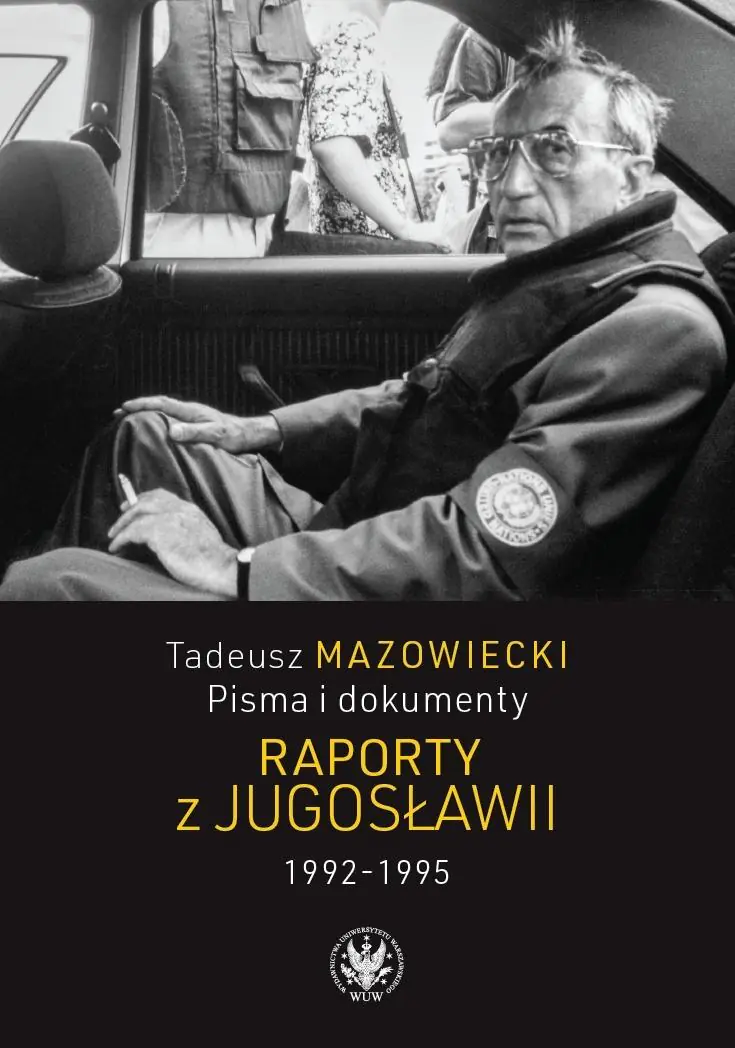
Tadeusz Mazowiecki. Pisma i dokumenty. Raporty z Jugosławii 1992–1995
Masz tę lub inne książki?
Sprzedaj je u nas

The release of Tadeusz Mazowiecki's Reports from Yugoslavia coincides with the 30th anniversary of the genocide in Srebrenica. Mazowiecki, who served as a United Nations Special Rapporteur on human rights in the former Yugoslavia, resigned in protest against the UN's inaction and the international community’s inability to prevent this tragedy. This collection includes 18 reports compiled during his mission between 1992 and 1995, along with essential documents and press articles. The materials are sourced from the UN, Mazowiecki's own archives held in the Central Archives of Modern Records in Warsaw, and private collections. These reports are a significant resource for understanding the history of the conflict and the subsequent persecution and violence that occurred after Yugoslavia's dissolution. Additionally, they were used as evidence by the International Criminal Tribunal for the former Yugoslavia in the prosecution of war criminals.
Wybierz stan zużycia:
WIĘCEJ O SKALI
The release of Tadeusz Mazowiecki's Reports from Yugoslavia coincides with the 30th anniversary of the genocide in Srebrenica. Mazowiecki, who served as a United Nations Special Rapporteur on human rights in the former Yugoslavia, resigned in protest against the UN's inaction and the international community’s inability to prevent this tragedy. This collection includes 18 reports compiled during his mission between 1992 and 1995, along with essential documents and press articles. The materials are sourced from the UN, Mazowiecki's own archives held in the Central Archives of Modern Records in Warsaw, and private collections. These reports are a significant resource for understanding the history of the conflict and the subsequent persecution and violence that occurred after Yugoslavia's dissolution. Additionally, they were used as evidence by the International Criminal Tribunal for the former Yugoslavia in the prosecution of war criminals.
Szczegóły
Inne książki tych autorów

Podobne produkty
Może Ci się spodobać
Inne książki z tej samej kategorii

Napisz opinię o książce i wygraj nagrodę!
W każdym miesiącu wybieramy najlepsze opinie i nagradzamy recenzentów.
Dowiedz się więcejWartość nagród w tym miesiącu
880 zł
Dodaj swoją opinię
Zaloguj się na swoje konto, aby mieć możliwość dodawania opinii.
Czy chcesz zostawić tylko ocenę?
Dodanie samej oceny o książce nie jest brane pod uwagę podczas losowania nagród. By mieć szansę na otrzymanie nagrody musisz napisać opinię o książce.
Już oceniłeś/zrecenzowałeś te książkę w przeszłości.
Możliwe jest dodanie tylko jednej recenzji do każdej z książek.
Sposoby dostawy
Odbiór w punkcie (7)
InPost Paczkomat 24/7

14,99 zł
DPD Pickup Automaty i Punkty Odbioru

11,99 zł





Dostawa na adres (7)
GLS U Ciebie - Kurier

14,99 zł
Kurier DPD

14,99 zł





Sposoby płatności
Płatność z góry
Przedpłata

Zwykły przelew
