Stan książek
Nasze książki są dokładnie sprawdzone i jasno określamy stan każdej z nich.
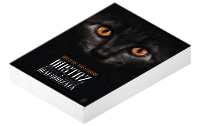

Nowa
Książka nowa.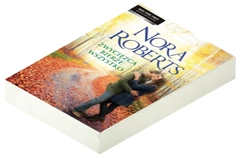
Używany - jak nowa
Niezauważalne lub prawie niezauważalne ślady używania. Książkę ciężko odróżnić od nowej pozycji.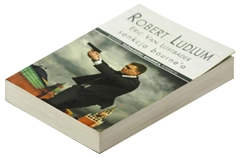
Używany - dobry
Normalne ślady używania wynikające z kartkowania podczas czytania, brak większych uszkodzeń lub zagięć.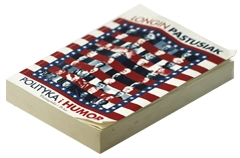
Używany - widoczne ślady użytkowania
zagięte rogi, przyniszczona okładka, książka posiada wszystkie strony.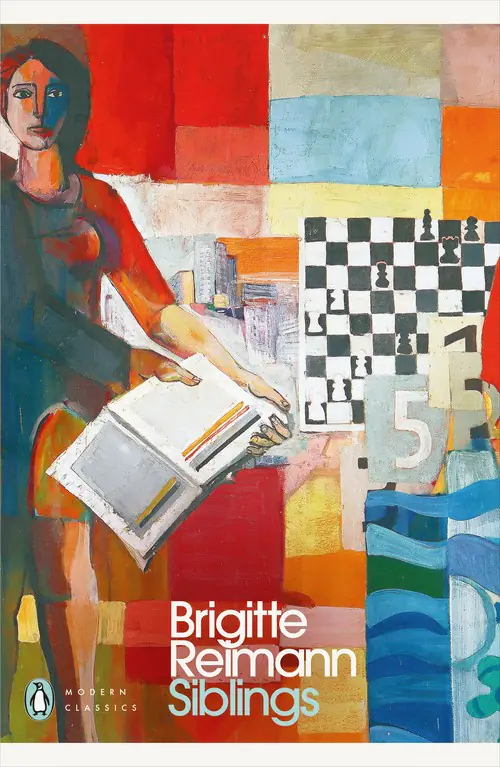
Siblings
Masz tę lub inne książki?
Sprzedaj je u nas

A captivating story of idealism and sibling bonds by one of East Germany's most significant authors. Set in 1960, the narrative unfolds against the backdrop of a newly sealed border between East and West Germany. For Elisabeth, a young artist, the German Democratic Republic represents her generation's opportunity to forge a more equal, socialist society. However, her brother Uli perceives it as a place marked by limitations and repression. The deepening divide between them is underscored by their differing beliefs and further complicated by the looming presence of their brother Konrad, who has defected. Through powerful and vivid language, Brigitte Reimann explores the tension between idealism and repression, as well as the conflicts of familial loyalty and personal ambition. Penned when Reimann was just twenty-seven, this fervent and pioneering novel has firmly secured its status as a cult classic of East German literature.
Wybierz stan zużycia:
WIĘCEJ O SKALI
A captivating story of idealism and sibling bonds by one of East Germany's most significant authors. Set in 1960, the narrative unfolds against the backdrop of a newly sealed border between East and West Germany. For Elisabeth, a young artist, the German Democratic Republic represents her generation's opportunity to forge a more equal, socialist society. However, her brother Uli perceives it as a place marked by limitations and repression. The deepening divide between them is underscored by their differing beliefs and further complicated by the looming presence of their brother Konrad, who has defected. Through powerful and vivid language, Brigitte Reimann explores the tension between idealism and repression, as well as the conflicts of familial loyalty and personal ambition. Penned when Reimann was just twenty-seven, this fervent and pioneering novel has firmly secured its status as a cult classic of East German literature.
Szczegóły
Inne książki: Brigitte Reimann

Podobne produkty
Może Ci się spodobać
Inne książki z tej samej kategorii

Napisz opinię o książce i wygraj nagrodę!
W każdym miesiącu wybieramy najlepsze opinie i nagradzamy recenzentów.
Dowiedz się więcejWartość nagród w tym miesiącu
880 zł
Dodaj swoją opinię
Zaloguj się na swoje konto, aby mieć możliwość dodawania opinii.
Czy chcesz zostawić tylko ocenę?
Dodanie samej oceny o książce nie jest brane pod uwagę podczas losowania nagród. By mieć szansę na otrzymanie nagrody musisz napisać opinię o książce.
Już oceniłeś/zrecenzowałeś te książkę w przeszłości.
Możliwe jest dodanie tylko jednej recenzji do każdej z książek.
Sposoby dostawy
Odbiór w punkcie (7)
InPost Paczkomat 24/7

14,99 zł
DPD Pickup Automaty i Punkty Odbioru

10,49 zł





Dostawa na adres (7)
GLS U Ciebie - Kurier

14,99 zł
Kurier DPD

14,99 zł





Sposoby płatności
Płatność z góry
Przedpłata

Zwykły przelew
