Stan książek
Nasze książki są dokładnie sprawdzone i jasno określamy stan każdej z nich.


Nowa
Książka nowa.
Używany - jak nowa
Niezauważalne lub prawie niezauważalne ślady używania. Książkę ciężko odróżnić od nowej pozycji.
Używany - dobry
Normalne ślady używania wynikające z kartkowania podczas czytania, brak większych uszkodzeń lub zagięć.
Używany - widoczne ślady użytkowania
zagięte rogi, przyniszczona okładka, książka posiada wszystkie strony.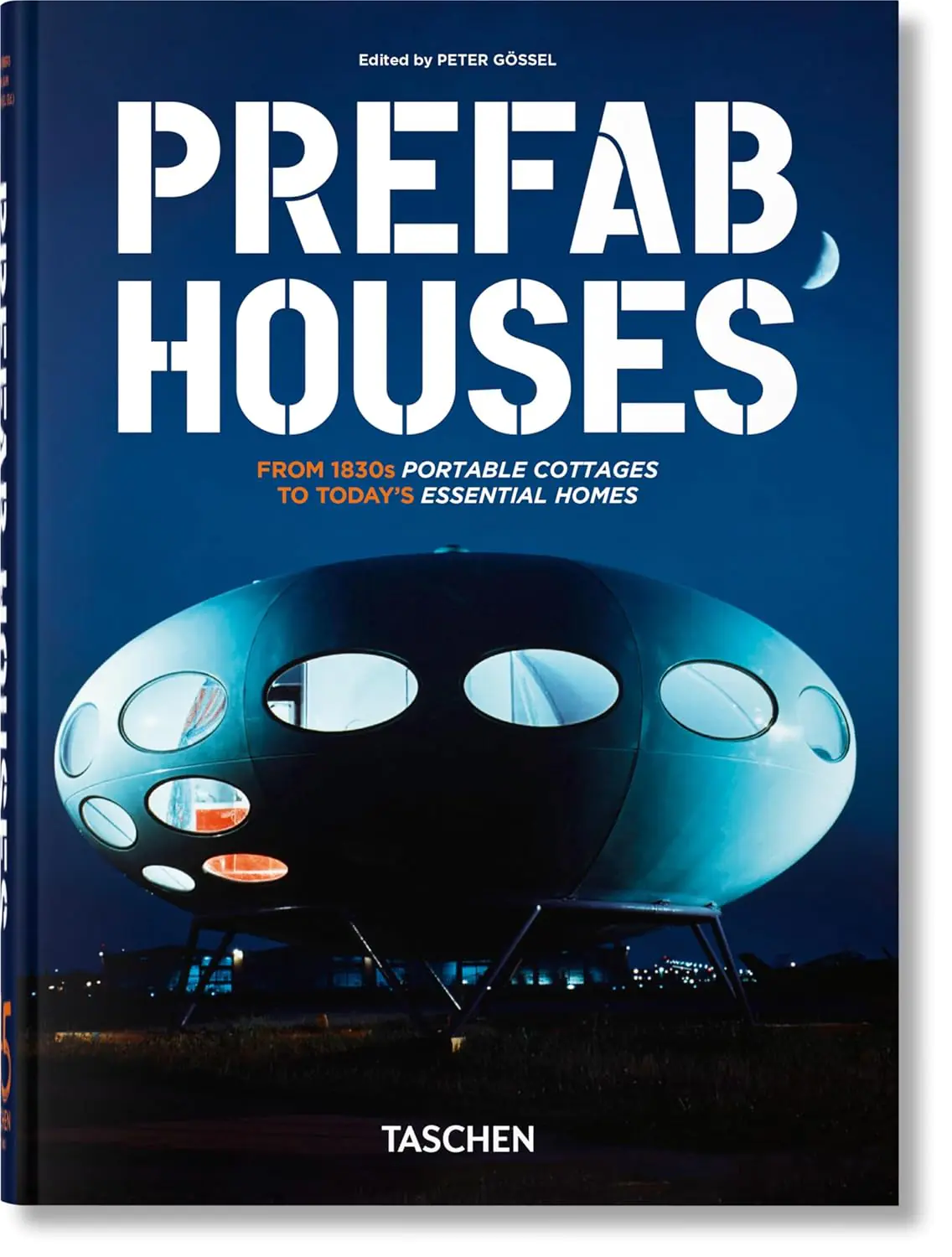
Prefab Houses
Masz tę lub inne książki?
Sprzedaj je u nas

A prefab, known as a prefabricated house, is manufactured in a factory setting and then assembled on-site, often within days or weeks. Initially perceived as a cost-effective and quick fix for pressing housing needs, prefabs have transformed into a showcase for innovative design and detailed architectural solutions. The fascinating journey of prefabricated homes began in England during the 1830s, with building kits for migrants heading to Australia. Today, these homes constitute a significant portion of residences in many nations. This book explores prefabrication's global reach, from the USA through Europe to Asia and Africa, shedding light on the intricacies of industrially manufactured components, the challenges of transporting them to construction sites, and the complexities involved in their assembly. Besides highlighting the relationship between modernism and industrialization that paved the way for contemporary prefab solutions, the book presents a distinctive collection of exclusive prefabricated homes designed by renowned international architects, as well as successful, factory-produced houses for modern living.
Wybierz stan zużycia:
WIĘCEJ O SKALI
A prefab, known as a prefabricated house, is manufactured in a factory setting and then assembled on-site, often within days or weeks. Initially perceived as a cost-effective and quick fix for pressing housing needs, prefabs have transformed into a showcase for innovative design and detailed architectural solutions. The fascinating journey of prefabricated homes began in England during the 1830s, with building kits for migrants heading to Australia. Today, these homes constitute a significant portion of residences in many nations. This book explores prefabrication's global reach, from the USA through Europe to Asia and Africa, shedding light on the intricacies of industrially manufactured components, the challenges of transporting them to construction sites, and the complexities involved in their assembly. Besides highlighting the relationship between modernism and industrialization that paved the way for contemporary prefab solutions, the book presents a distinctive collection of exclusive prefabricated homes designed by renowned international architects, as well as successful, factory-produced houses for modern living.
Szczegóły
Inne książki: Arnt Cobbers

Podobne produkty
Może Ci się spodobać
Inne książki z tej samej kategorii

Napisz opinię o książce i wygraj nagrodę!
W każdym miesiącu wybieramy najlepsze opinie i nagradzamy recenzentów.
Dowiedz się więcejWartość nagród w tym miesiącu
880 zł
Dodaj swoją opinię
Zaloguj się na swoje konto, aby mieć możliwość dodawania opinii.
Czy chcesz zostawić tylko ocenę?
Dodanie samej oceny o książce nie jest brane pod uwagę podczas losowania nagród. By mieć szansę na otrzymanie nagrody musisz napisać opinię o książce.
Już oceniłeś/zrecenzowałeś te książkę w przeszłości.
Możliwe jest dodanie tylko jednej recenzji do każdej z książek.
Sposoby dostawy
Odbiór w punkcie (7)
InPost Paczkomat 24/7

14,99 zł
DPD Pickup Automaty i Punkty Odbioru

10,49 zł





Dostawa na adres (7)
GLS U Ciebie - Kurier

14,99 zł
Kurier DPD

14,99 zł





Sposoby płatności
Płatność z góry
Przedpłata

Zwykły przelew
