Stan książek
Nasze książki są dokładnie sprawdzone i jasno określamy stan każdej z nich.
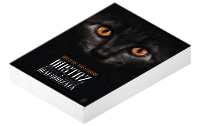

Nowa
Książka nowa.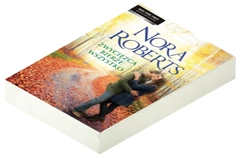
Używany - jak nowa
Niezauważalne lub prawie niezauważalne ślady używania. Książkę ciężko odróżnić od nowej pozycji.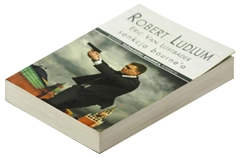
Używany - dobry
Normalne ślady używania wynikające z kartkowania podczas czytania, brak większych uszkodzeń lub zagięć.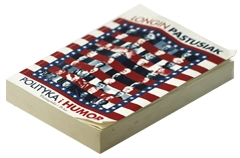
Używany - widoczne ślady użytkowania
zagięte rogi, przyniszczona okładka, książka posiada wszystkie strony.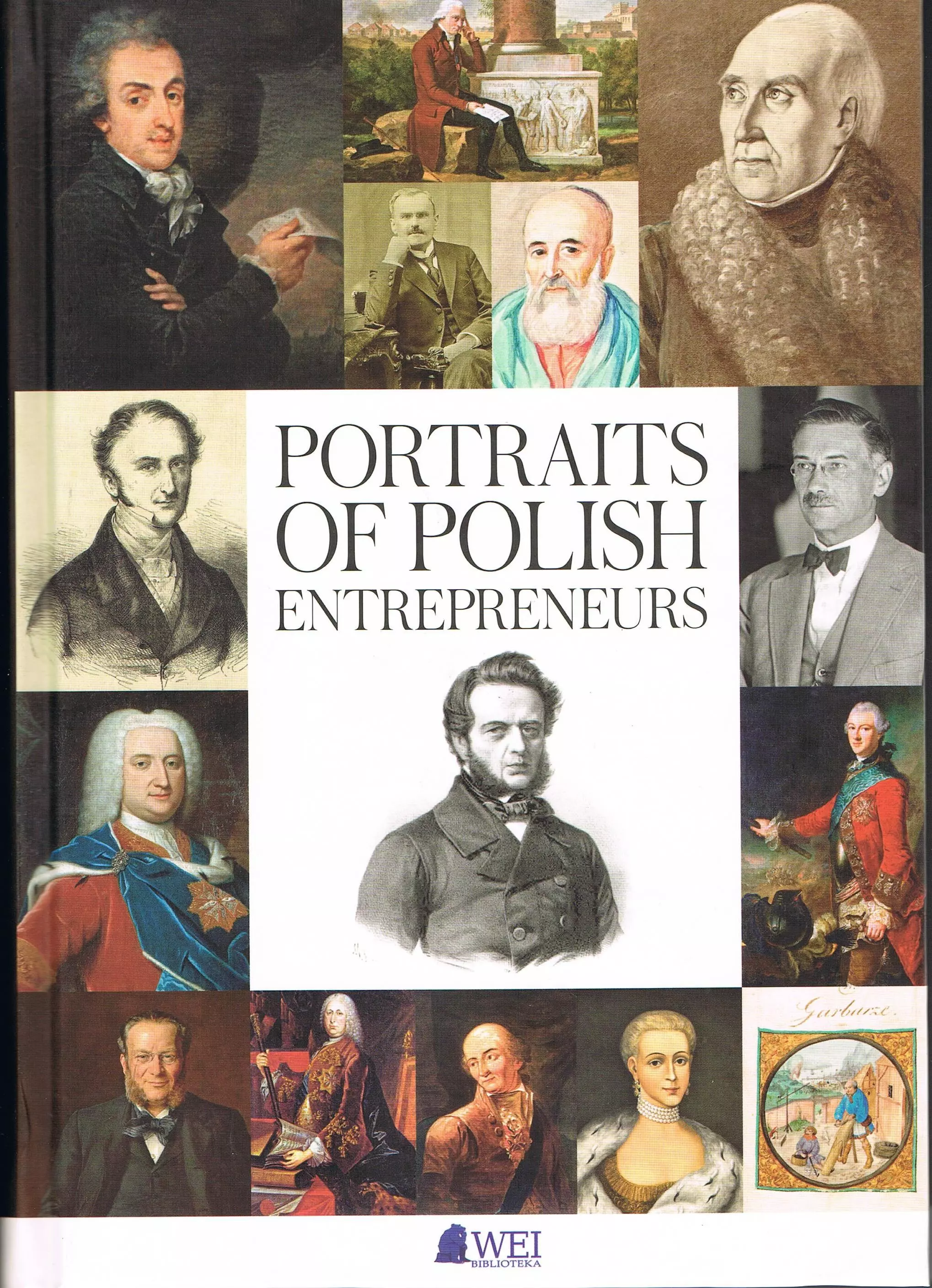
Portraits of Polish Entrepreneurs. From the Middle Ages to 1939
Masz tę lub inne książki?
Sprzedaj je u nas

Polish history is often viewed primarily through the lens of politics and military endeavors. Typically, the 123 years of Poland's partition are remembered by the dates of unsuccessful uprisings, overshadowing other events of equal significance to the nation's state. More Poles can recall the date of the January Uprising than the transformation of the Austrian Empire into a dual monarchy. The knowledge of lost battles often surpasses that of the enfranchisement of peasants in different partitions. As a result, bookstores are filled with publications on Polish military history, but information on the country's economic past is scarce.It is noteworthy that a comprehensive work like "Encyklopedia historii gospodarczej Polski do 1945 roku" was published in the 1980s. In the era of the Third Republic, a similar resource is still awaited, with Polish economic history being chiefly found in academic texts. This situation is unfortunate, as understanding Polish history without acknowledging economic aspects leaves it incomplete.History, including its economic dimensions, is crafted by individuals. We aim to narrate the story of the Polish economy across various sectors—from finance to management to craftsmanship—by highlighting the biographies of those who contributed to its development. In choosing our subjects, we sought to represent typical figures of each era, opting for characters of interest, not necessarily the most prominent. These 'Portraits' are not intended to replace academic research or rank the greatest individuals. Their goal is to familiarize readers with the epochs' realities and illustrate how success was built on personal, familial, and public levels.Our exploration of biographies concludes with the Second Republic. The contemporary market economy, reestablished after the communist period, pertains to an entirely different narrative involving different individuals. Tomasz Wróblewski President of the Warsaw Enterprise Institute This description is provided by the publisher.
Wybierz stan zużycia:
WIĘCEJ O SKALI
Polish history is often viewed primarily through the lens of politics and military endeavors. Typically, the 123 years of Poland's partition are remembered by the dates of unsuccessful uprisings, overshadowing other events of equal significance to the nation's state. More Poles can recall the date of the January Uprising than the transformation of the Austrian Empire into a dual monarchy. The knowledge of lost battles often surpasses that of the enfranchisement of peasants in different partitions. As a result, bookstores are filled with publications on Polish military history, but information on the country's economic past is scarce.It is noteworthy that a comprehensive work like "Encyklopedia historii gospodarczej Polski do 1945 roku" was published in the 1980s. In the era of the Third Republic, a similar resource is still awaited, with Polish economic history being chiefly found in academic texts. This situation is unfortunate, as understanding Polish history without acknowledging economic aspects leaves it incomplete.History, including its economic dimensions, is crafted by individuals. We aim to narrate the story of the Polish economy across various sectors—from finance to management to craftsmanship—by highlighting the biographies of those who contributed to its development. In choosing our subjects, we sought to represent typical figures of each era, opting for characters of interest, not necessarily the most prominent. These 'Portraits' are not intended to replace academic research or rank the greatest individuals. Their goal is to familiarize readers with the epochs' realities and illustrate how success was built on personal, familial, and public levels.Our exploration of biographies concludes with the Second Republic. The contemporary market economy, reestablished after the communist period, pertains to an entirely different narrative involving different individuals. Tomasz Wróblewski President of the Warsaw Enterprise Institute This description is provided by the publisher.
Szczegóły
Inne książki tych autorów

Podobne produkty
Może Ci się spodobać
Inne książki z tej samej kategorii

Napisz opinię o książce i wygraj nagrodę!
W każdym miesiącu wybieramy najlepsze opinie i nagradzamy recenzentów.
Dowiedz się więcejWartość nagród w tym miesiącu
880 zł
Dodaj swoją opinię
Zaloguj się na swoje konto, aby mieć możliwość dodawania opinii.
Czy chcesz zostawić tylko ocenę?
Dodanie samej oceny o książce nie jest brane pod uwagę podczas losowania nagród. By mieć szansę na otrzymanie nagrody musisz napisać opinię o książce.
Już oceniłeś/zrecenzowałeś te książkę w przeszłości.
Możliwe jest dodanie tylko jednej recenzji do każdej z książek.
Sposoby dostawy
Odbiór w punkcie (7)
InPost Paczkomat 24/7

14,99 zł
DPD Pickup Automaty i Punkty Odbioru

10,49 zł





Dostawa na adres (7)
GLS U Ciebie - Kurier

14,99 zł
Kurier DPD

14,99 zł





Sposoby płatności
Płatność z góry
Przedpłata

Zwykły przelew
