Stan książek
Nasze książki są dokładnie sprawdzone i jasno określamy stan każdej z nich.

Nowa
Książka nowa.
Używany - jak nowa
Niezauważalne lub prawie niezauważalne ślady używania. Książkę ciężko odróżnić od nowej pozycji.
Używany - dobry
Normalne ślady używania wynikające z kartkowania podczas czytania, brak większych uszkodzeń lub zagięć.
Używany - widoczne ślady użytkowania
zagięte rogi, przyniszczona okładka, książka posiada wszystkie strony.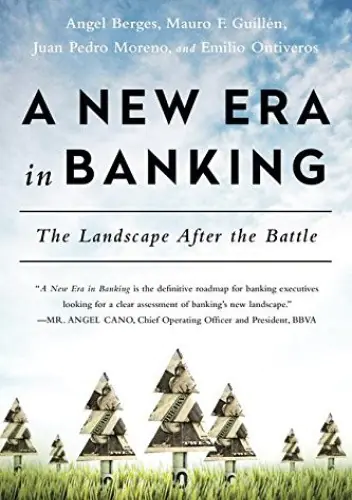
New Era in Banking: The Landscape After the Battle
Masz tę lub inne książki?
Sprzedaj je u nas

The financial crisis that erupted in 2007 marked a departure from traditional banking practices. Even as the crisis unfolded, a range of broader economic, geopolitical, and technological forces was already influencing the shift of the financial industry from the twentieth to the twenty-first century. These transformations in the financial and global landscape have instigated significant changes in banking regulations and increased scrutiny over banks, simultaneously uncovering prospects for molding a future-ready banking sector. "A New Era in Banking: The Landscape After the Battle" explores the primary catalysts of change driving this extensive transformation in the financial services industry. It delves into the multifaceted challenge that financial institutions face in de-risking their business models, reestablishing connections with customers, and focusing on stakeholder value creation. By dissecting the profound changes that have impacted the banking sector, "A New Era in Banking" places these shifts within the broader trends that transcend the immediate context of the financial crisis. Banks now find themselves more susceptible to the ongoing shifts in economic, demographic, regulatory, and technological landscapes. Nonetheless, by exploring how banks can function as adaptive, technology-driven information enterprises, "A New Era in Banking" encourages financial practices that are not merely survival-oriented but centered on innovation.
Wybierz stan zużycia:
WIĘCEJ O SKALI
The financial crisis that erupted in 2007 marked a departure from traditional banking practices. Even as the crisis unfolded, a range of broader economic, geopolitical, and technological forces was already influencing the shift of the financial industry from the twentieth to the twenty-first century. These transformations in the financial and global landscape have instigated significant changes in banking regulations and increased scrutiny over banks, simultaneously uncovering prospects for molding a future-ready banking sector. "A New Era in Banking: The Landscape After the Battle" explores the primary catalysts of change driving this extensive transformation in the financial services industry. It delves into the multifaceted challenge that financial institutions face in de-risking their business models, reestablishing connections with customers, and focusing on stakeholder value creation. By dissecting the profound changes that have impacted the banking sector, "A New Era in Banking" places these shifts within the broader trends that transcend the immediate context of the financial crisis. Banks now find themselves more susceptible to the ongoing shifts in economic, demographic, regulatory, and technological landscapes. Nonetheless, by exploring how banks can function as adaptive, technology-driven information enterprises, "A New Era in Banking" encourages financial practices that are not merely survival-oriented but centered on innovation.
Szczegóły
Inne książki: Angel Berges

Podobne produkty
Może Ci się spodobać
Inne książki z tej samej kategorii

Napisz opinię o książce i wygraj nagrodę!
W każdym miesiącu wybieramy najlepsze opinie i nagradzamy recenzentów.
Dowiedz się więcejWartość nagród w tym miesiącu
880 zł
Dodaj swoją opinię
Zaloguj się na swoje konto, aby mieć możliwość dodawania opinii.
Czy chcesz zostawić tylko ocenę?
Dodanie samej oceny o książce nie jest brane pod uwagę podczas losowania nagród. By mieć szansę na otrzymanie nagrody musisz napisać opinię o książce.
Już oceniłeś/zrecenzowałeś te książkę w przeszłości.
Możliwe jest dodanie tylko jednej recenzji do każdej z książek.
Sposoby dostawy
Odbiór w punkcie (7)
InPost Paczkomat 24/7

14,99 zł
DPD Pickup Automaty i Punkty Odbioru

10,49 zł





Dostawa na adres (7)
GLS U Ciebie - Kurier

14,99 zł
Kurier DPD

14,99 zł





Sposoby płatności
Płatność z góry
Przedpłata

Zwykły przelew
