Stan książek
Nasze książki są dokładnie sprawdzone i jasno określamy stan każdej z nich.

Nowa
Książka nowa.
Używany - jak nowa
Niezauważalne lub prawie niezauważalne ślady używania. Książkę ciężko odróżnić od nowej pozycji.
Używany - dobry
Normalne ślady używania wynikające z kartkowania podczas czytania, brak większych uszkodzeń lub zagięć.
Używany - widoczne ślady użytkowania
zagięte rogi, przyniszczona okładka, książka posiada wszystkie strony.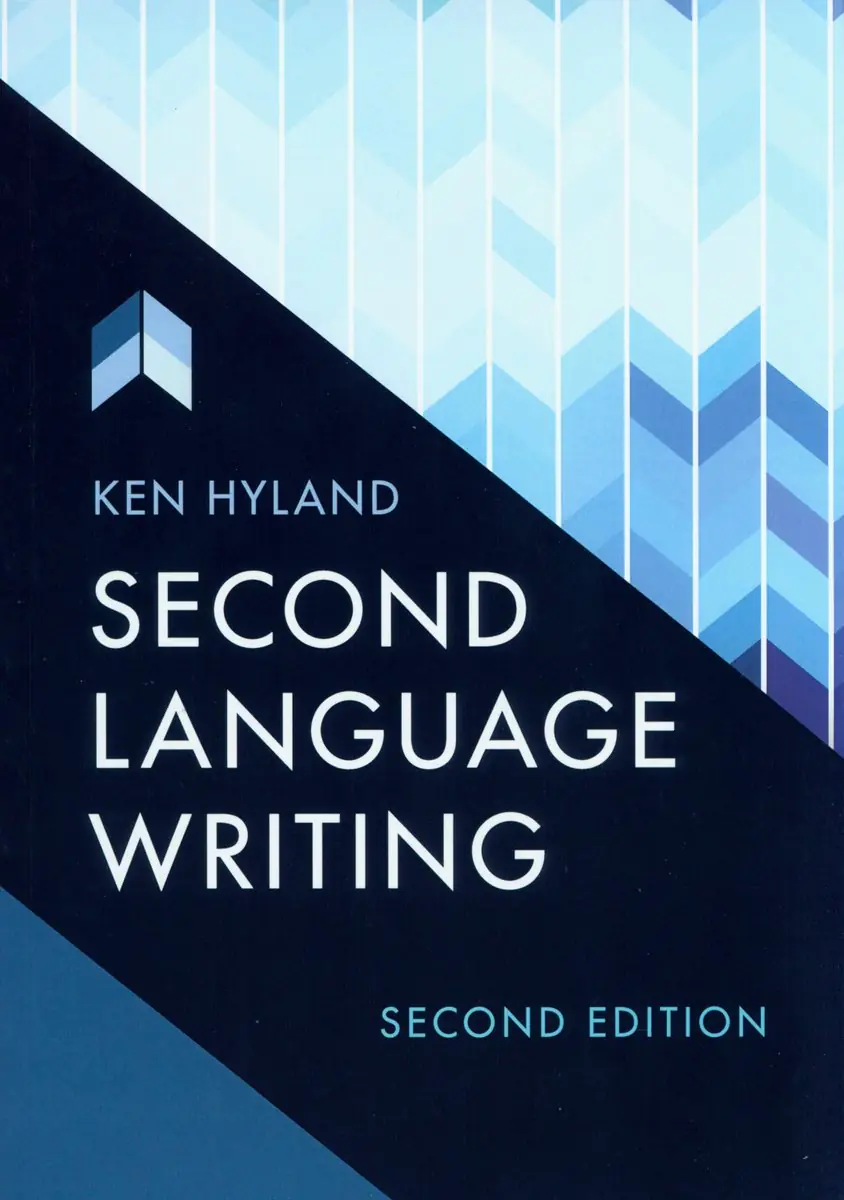
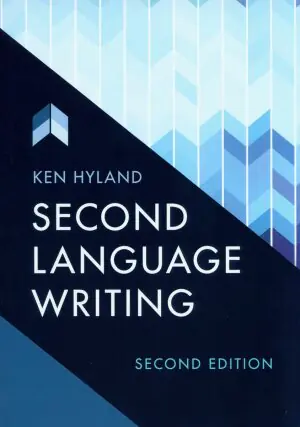
Second Language Writing
Masz tę lub inne książki?
Sprzedaj je u nas

Ken Hyland’s book offers a comprehensive yet accessible guide for those teaching writing to EFL/ESL students. Without requiring prior specialist knowledge, Hyland meticulously explores fundamental aspects such as course design, lesson planning, the use of texts and materials, tasks, feedback, and assessment. He also demonstrates how contemporary research can enhance classroom techniques. In its entirely updated second edition, the book incorporates modern developments, including automated feedback, plagiarism, social media influences, Virtual Learning Environments, and issues related to teacher workload. It advocates for the importance of providing student writers not only with practical strategies for drafting and revising their work but also with a thorough understanding of genre. This approach helps students tailor their writing to meet the expectations of specific reader communities and the requirements of various contexts. With its review exercises, reflection questions, numerous examples, and a new detailed glossary, the book is an invaluable resource for both new and experienced teachers.
Wybierz stan zużycia:
WIĘCEJ O SKALI
Ken Hyland’s book offers a comprehensive yet accessible guide for those teaching writing to EFL/ESL students. Without requiring prior specialist knowledge, Hyland meticulously explores fundamental aspects such as course design, lesson planning, the use of texts and materials, tasks, feedback, and assessment. He also demonstrates how contemporary research can enhance classroom techniques. In its entirely updated second edition, the book incorporates modern developments, including automated feedback, plagiarism, social media influences, Virtual Learning Environments, and issues related to teacher workload. It advocates for the importance of providing student writers not only with practical strategies for drafting and revising their work but also with a thorough understanding of genre. This approach helps students tailor their writing to meet the expectations of specific reader communities and the requirements of various contexts. With its review exercises, reflection questions, numerous examples, and a new detailed glossary, the book is an invaluable resource for both new and experienced teachers.
Szczegóły
Dane producenta:

Inne książki: Hyland Ken

Podobne produkty
Może Ci się spodobać
Inne książki z tej samej kategorii

Napisz opinię o książce i wygraj nagrodę!
W każdym miesiącu wybieramy najlepsze opinie i nagradzamy recenzentów.
Dowiedz się więcejWartość nagród w tym miesiącu
880 zł
Dodaj swoją opinię
Zaloguj się na swoje konto, aby mieć możliwość dodawania opinii.
Czy chcesz zostawić tylko ocenę?
Dodanie samej oceny o książce nie jest brane pod uwagę podczas losowania nagród. By mieć szansę na otrzymanie nagrody musisz napisać opinię o książce.
Już oceniłeś/zrecenzowałeś te książkę w przeszłości.
Możliwe jest dodanie tylko jednej recenzji do każdej z książek.
Sposoby dostawy
Odbiór w punkcie (7)
InPost Paczkomat 24/7

14,99 zł
DPD Pickup Automaty i Punkty Odbioru

10,49 zł





Dostawa na adres (7)
GLS U Ciebie - Kurier

14,99 zł
Kurier DPD

14,99 zł





Sposoby płatności
Płatność z góry
Przedpłata

Zwykły przelew
