Stan książek
Nasze książki są dokładnie sprawdzone i jasno określamy stan każdej z nich.
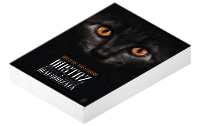

Nowa
Książka nowa.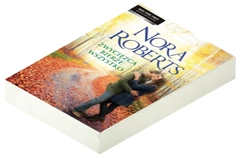
Używany - jak nowa
Niezauważalne lub prawie niezauważalne ślady używania. Książkę ciężko odróżnić od nowej pozycji.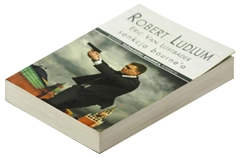
Używany - dobry
Normalne ślady używania wynikające z kartkowania podczas czytania, brak większych uszkodzeń lub zagięć.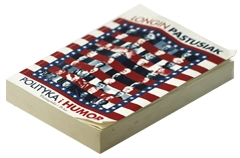
Używany - widoczne ślady użytkowania
zagięte rogi, przyniszczona okładka, książka posiada wszystkie strony.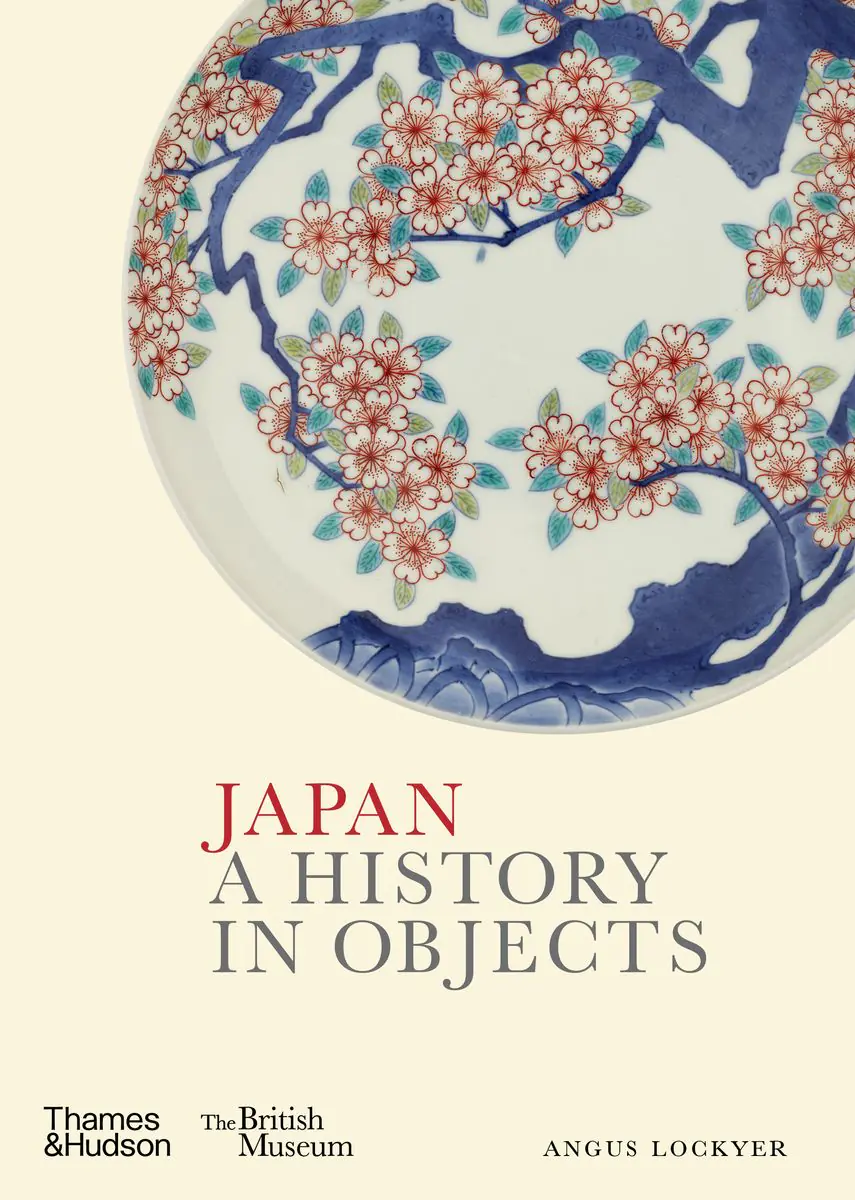
Japan. A History in Objects
Masz tę lub inne książki?
Sprzedaj je u nas

Spanning an impressive 15,000 years, the history of the Japanese archipelago is vividly brought to life through its material artefacts. This engaging visual narrative draws from the British Museum Collection, offering a fascinating glimpse into Japan's past. The story unfolds from ancient times, with a focus on objects from the prehistoric era, the advent of Buddhism, and the emergence of a military elite during the classical and medieval periods. It then transitions into the economic and cultural transformations seen in the early modern and modern ages. Featuring items such as ancient flame pots, jewelry, textiles, armor, folding screens, and contemporary manga, the account provides insights into the lives of various societal groups, including farmers, merchants, medieval warriors, and modern women. The diversity of ceramics, sculptures, metalwork, lacquerware, paintings, prints, and textiles paints a rich picture of a culture deeply embedded in the minds of its people and admired by visitors worldwide.
Wybierz stan zużycia:
WIĘCEJ O SKALI
Spanning an impressive 15,000 years, the history of the Japanese archipelago is vividly brought to life through its material artefacts. This engaging visual narrative draws from the British Museum Collection, offering a fascinating glimpse into Japan's past. The story unfolds from ancient times, with a focus on objects from the prehistoric era, the advent of Buddhism, and the emergence of a military elite during the classical and medieval periods. It then transitions into the economic and cultural transformations seen in the early modern and modern ages. Featuring items such as ancient flame pots, jewelry, textiles, armor, folding screens, and contemporary manga, the account provides insights into the lives of various societal groups, including farmers, merchants, medieval warriors, and modern women. The diversity of ceramics, sculptures, metalwork, lacquerware, paintings, prints, and textiles paints a rich picture of a culture deeply embedded in the minds of its people and admired by visitors worldwide.
Szczegóły
Inne książki: Angus Lockyer

Podobne produkty
Może Ci się spodobać
Inne książki z tej samej kategorii

Napisz opinię o książce i wygraj nagrodę!
W każdym miesiącu wybieramy najlepsze opinie i nagradzamy recenzentów.
Dowiedz się więcejWartość nagród w tym miesiącu
880 zł
Dodaj swoją opinię
Zaloguj się na swoje konto, aby mieć możliwość dodawania opinii.
Czy chcesz zostawić tylko ocenę?
Dodanie samej oceny o książce nie jest brane pod uwagę podczas losowania nagród. By mieć szansę na otrzymanie nagrody musisz napisać opinię o książce.
Już oceniłeś/zrecenzowałeś te książkę w przeszłości.
Możliwe jest dodanie tylko jednej recenzji do każdej z książek.
Sposoby dostawy
Odbiór w punkcie (7)
InPost Paczkomat 24/7

14,99 zł
DPD Pickup Automaty i Punkty Odbioru

11,99 zł





Dostawa na adres (7)
GLS U Ciebie - Kurier

14,99 zł
Kurier DPD

14,99 zł





Sposoby płatności
Płatność z góry
Przedpłata

Zwykły przelew
