Stan książek
Nasze książki są dokładnie sprawdzone i jasno określamy stan każdej z nich.


Nowa
Książka nowa.
Używany - jak nowa
Niezauważalne lub prawie niezauważalne ślady używania. Książkę ciężko odróżnić od nowej pozycji.
Używany - dobry
Normalne ślady używania wynikające z kartkowania podczas czytania, brak większych uszkodzeń lub zagięć.
Używany - widoczne ślady użytkowania
zagięte rogi, przyniszczona okładka, książka posiada wszystkie strony.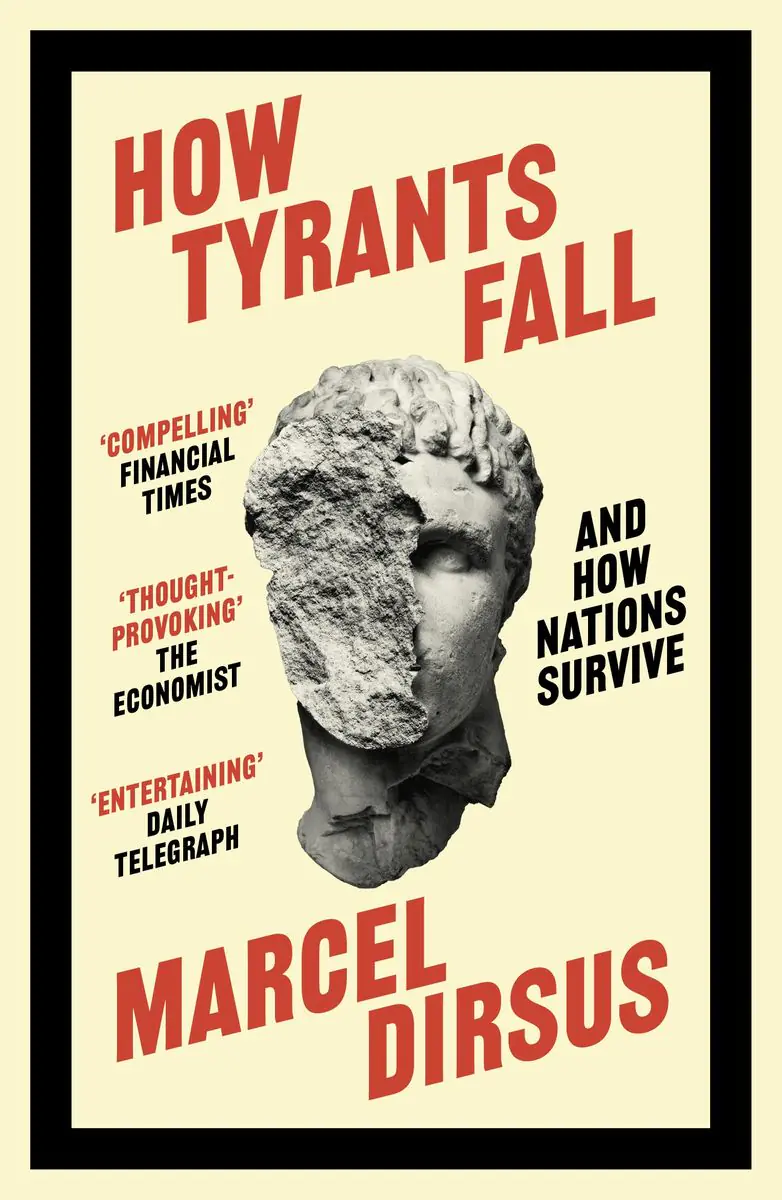
How Tyrants Fall. And How Nations Survive wer. angielska
Masz tę lub inne książki?
Sprzedaj je u nas

Strongmen are gaining influence while democracies are weakening. What ultimately leads to the downfall of tyranny? Despite their appearance of being invincible, all tyrants eventually meet their demise. This inevitability is due to the significant vulnerabilities they face, which can become a decisive trap. Their downfalls are often triggered by betrayal within their own ranks, discontent among military elites, or the alienation of the public due to corruption and nepotism. Additionally, revolutionaries in exile may plot against them. As a result, tyrants typically accumulate more adversaries than allies. Upon their downfall, tyrants rarely retreat peacefully; they may encounter exile, imprisonment, or even death. The events that follow their downfall have the potential to alter a nation's destiny. In his insightful exploration, political scientist Marcel Dirsus delves into the dynamics and failures of tyrannical rule through interviews with various key figures such as coup leaders, dissidents, and soldiers. Among the voices we hear are that of a revolutionary known as 'Satan,' who risked capture by the Stasi to challenge an oppressive regime, an unapologetic ex-leader of a Burundian rebel group involved in a massacre, and an American-Gambian activist who sought to free his homeland during breaks from his construction work. Yet, simply understanding dictators is not sufficient. "How Tyrants Fall" provides a compelling and thoroughly researched guide on how to dismantle their reigns.
Wybierz stan zużycia:
WIĘCEJ O SKALI
Strongmen are gaining influence while democracies are weakening. What ultimately leads to the downfall of tyranny? Despite their appearance of being invincible, all tyrants eventually meet their demise. This inevitability is due to the significant vulnerabilities they face, which can become a decisive trap. Their downfalls are often triggered by betrayal within their own ranks, discontent among military elites, or the alienation of the public due to corruption and nepotism. Additionally, revolutionaries in exile may plot against them. As a result, tyrants typically accumulate more adversaries than allies. Upon their downfall, tyrants rarely retreat peacefully; they may encounter exile, imprisonment, or even death. The events that follow their downfall have the potential to alter a nation's destiny. In his insightful exploration, political scientist Marcel Dirsus delves into the dynamics and failures of tyrannical rule through interviews with various key figures such as coup leaders, dissidents, and soldiers. Among the voices we hear are that of a revolutionary known as 'Satan,' who risked capture by the Stasi to challenge an oppressive regime, an unapologetic ex-leader of a Burundian rebel group involved in a massacre, and an American-Gambian activist who sought to free his homeland during breaks from his construction work. Yet, simply understanding dictators is not sufficient. "How Tyrants Fall" provides a compelling and thoroughly researched guide on how to dismantle their reigns.
Szczegóły
Inne książki: Marcel Dirsus

Podobne produkty
Może Ci się spodobać
Inne książki z tej samej kategorii

Napisz opinię o książce i wygraj nagrodę!
W każdym miesiącu wybieramy najlepsze opinie i nagradzamy recenzentów.
Dowiedz się więcejWartość nagród w tym miesiącu
880 zł
Dodaj swoją opinię
Zaloguj się na swoje konto, aby mieć możliwość dodawania opinii.
Czy chcesz zostawić tylko ocenę?
Dodanie samej oceny o książce nie jest brane pod uwagę podczas losowania nagród. By mieć szansę na otrzymanie nagrody musisz napisać opinię o książce.
Już oceniłeś/zrecenzowałeś te książkę w przeszłości.
Możliwe jest dodanie tylko jednej recenzji do każdej z książek.
Sposoby dostawy
Odbiór w punkcie (7)
InPost Paczkomat 24/7

14,99 zł
DPD Pickup Automaty i Punkty Odbioru

11,99 zł





Dostawa na adres (7)
GLS U Ciebie - Kurier

14,99 zł
Kurier DPD

14,99 zł





Sposoby płatności
Płatność z góry
Przedpłata

Zwykły przelew
