Stan książek
Nasze książki są dokładnie sprawdzone i jasno określamy stan każdej z nich.


Nowa
Książka nowa.
Używany - jak nowa
Niezauważalne lub prawie niezauważalne ślady używania. Książkę ciężko odróżnić od nowej pozycji.
Używany - dobry
Normalne ślady używania wynikające z kartkowania podczas czytania, brak większych uszkodzeń lub zagięć.
Używany - widoczne ślady użytkowania
zagięte rogi, przyniszczona okładka, książka posiada wszystkie strony.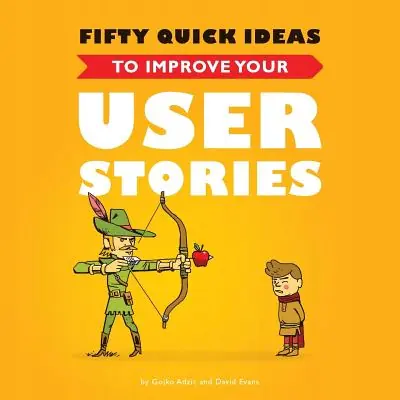
Fifty Quick Ideas to Improve Your User Stories
Masz tę lub inne książki?
Sprzedaj je u nas

This book serves as a comprehensive guide for enhancing the writing of stories, identifying and resolving common challenges, breaking stories down into smaller yet valuable segments, and handling complex aspects like crosscutting concerns, long-term consequences, and non-functional requirements. Ultimately, it aims to fulfill the promise of agile and iterative delivery by ensuring effective communication between delivery team members and business stakeholders, leading to the delivery of the right outcomes. Designed for anyone engaged in an iterative delivery setting and involved in user story planning, the book is beneficial for both newcomers and experienced individuals in the field. It offers valuable insights for software delivery professionals to better engage stakeholders and more effectively structure iterative plans, while business stakeholders working with software teams can learn to communicate more effectively, prioritize efficiently, and gain a competitive edge by achieving more with less software. The book includes fifty ideas categorized into five main sections: - Creating Stories: Focuses on gathering information about stories before they enter the delivery pipeline, with tips on what details to include on story cards and how to quickly identify potential issues. - Planning with Stories: Provides ideas for managing the broad view, setting milestones, and organizing long-term work.- Discussing Stories: Offers strategies to enhance discussions between delivery teams and business stakeholders, revealing how to discover hidden assumptions and facilitate constructive conversations for a shared understanding.- Splitting Stories: Suggests methods for handling large and complex stories, including strategies for dividing them into smaller parts for faster learning and quicker value delivery.- Managing Iterative Delivery: Includes ideas for effective short- and mid-term user story management, focusing on capacity management, prioritization, and scope reduction to maximize outcomes with minimal software. The authors, Gojko Adzic and David Evans, bring a wealth of experience to the table. Gojko Adzic is a strategic software delivery consultant renowned for helping teams enhance their software products and processes. His book "Specification by Example" was highly acclaimed, earning the #2 spot on the top 100 agile books for 2012 and winning the Jolt Award for the best book of 2012. In 2011, he was recognized as the most influential agile testing professional, and his blog received the UK agile award for the best online publication in 2010. David Evans is a well-respected consultant, coach, and trainer in Agile Quality, assisting organizations in strategic process improvement and coaching teams on effective agile practices. He is also a sought-after speaker at conferences and has published several articles in international journals.
Wybierz stan zużycia:
WIĘCEJ O SKALI
This book serves as a comprehensive guide for enhancing the writing of stories, identifying and resolving common challenges, breaking stories down into smaller yet valuable segments, and handling complex aspects like crosscutting concerns, long-term consequences, and non-functional requirements. Ultimately, it aims to fulfill the promise of agile and iterative delivery by ensuring effective communication between delivery team members and business stakeholders, leading to the delivery of the right outcomes. Designed for anyone engaged in an iterative delivery setting and involved in user story planning, the book is beneficial for both newcomers and experienced individuals in the field. It offers valuable insights for software delivery professionals to better engage stakeholders and more effectively structure iterative plans, while business stakeholders working with software teams can learn to communicate more effectively, prioritize efficiently, and gain a competitive edge by achieving more with less software. The book includes fifty ideas categorized into five main sections: - Creating Stories: Focuses on gathering information about stories before they enter the delivery pipeline, with tips on what details to include on story cards and how to quickly identify potential issues. - Planning with Stories: Provides ideas for managing the broad view, setting milestones, and organizing long-term work.- Discussing Stories: Offers strategies to enhance discussions between delivery teams and business stakeholders, revealing how to discover hidden assumptions and facilitate constructive conversations for a shared understanding.- Splitting Stories: Suggests methods for handling large and complex stories, including strategies for dividing them into smaller parts for faster learning and quicker value delivery.- Managing Iterative Delivery: Includes ideas for effective short- and mid-term user story management, focusing on capacity management, prioritization, and scope reduction to maximize outcomes with minimal software. The authors, Gojko Adzic and David Evans, bring a wealth of experience to the table. Gojko Adzic is a strategic software delivery consultant renowned for helping teams enhance their software products and processes. His book "Specification by Example" was highly acclaimed, earning the #2 spot on the top 100 agile books for 2012 and winning the Jolt Award for the best book of 2012. In 2011, he was recognized as the most influential agile testing professional, and his blog received the UK agile award for the best online publication in 2010. David Evans is a well-respected consultant, coach, and trainer in Agile Quality, assisting organizations in strategic process improvement and coaching teams on effective agile practices. He is also a sought-after speaker at conferences and has published several articles in international journals.
Szczegóły
Inne książki tych autorów

Podobne produkty
Może Ci się spodobać
Inne książki z tej samej kategorii

Napisz opinię o książce i wygraj nagrodę!
W każdym miesiącu wybieramy najlepsze opinie i nagradzamy recenzentów.
Dowiedz się więcejWartość nagród w tym miesiącu
880 zł
Dodaj swoją opinię
Zaloguj się na swoje konto, aby mieć możliwość dodawania opinii.
Czy chcesz zostawić tylko ocenę?
Dodanie samej oceny o książce nie jest brane pod uwagę podczas losowania nagród. By mieć szansę na otrzymanie nagrody musisz napisać opinię o książce.
Już oceniłeś/zrecenzowałeś te książkę w przeszłości.
Możliwe jest dodanie tylko jednej recenzji do każdej z książek.
Sposoby dostawy
Odbiór w punkcie (7)
InPost Paczkomat 24/7

14,99 zł
DPD Pickup Automaty i Punkty Odbioru

10,49 zł





Dostawa na adres (7)
GLS U Ciebie - Kurier

14,99 zł
Kurier DPD

14,99 zł





Sposoby płatności
Płatność z góry
Przedpłata

Zwykły przelew
