Stan książek
Nasze książki są dokładnie sprawdzone i jasno określamy stan każdej z nich.


Nowa
Książka nowa.
Używany - jak nowa
Niezauważalne lub prawie niezauważalne ślady używania. Książkę ciężko odróżnić od nowej pozycji.
Używany - dobry
Normalne ślady używania wynikające z kartkowania podczas czytania, brak większych uszkodzeń lub zagięć.
Używany - widoczne ślady użytkowania
zagięte rogi, przyniszczona okładka, książka posiada wszystkie strony.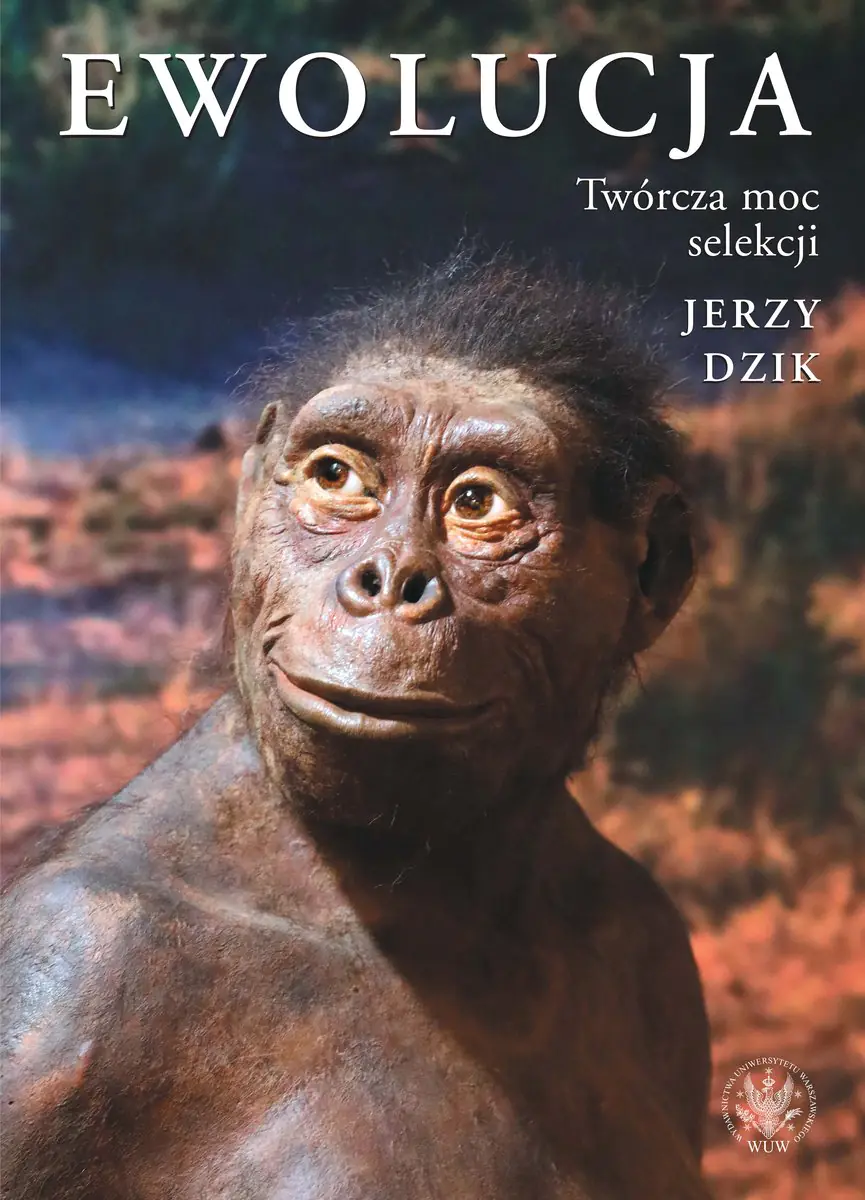
Ewolucja. Twórcza moc selekcji
Masz tę lub inne książki?
Sprzedaj je u nas

This comprehensive overview of evolutionary science explores the intricate connections between biology, physics, chemistry, geology, and the humanities. The author portrays evolution as a physical process that unfolds over geological time and delves into how Darwin's mechanism of natural selection operates across various fields, including immunology, neurobiology, sociology, and the historical context of cultural and political institutions. The text highlights the outcomes of selecting the most successful solutions in diverse biological and social spheres.The book addresses several pertinent topics: the dual meaning of "theory of evolution" and the testability of evolutionary hypotheses, the relationship between evolution and thermodynamics, and the illusion of reductionism. It also explores phylogenetics versus cladistics and the evolutionary family tree, the role of evolutionary developmental biology and homeotic genes, and the cumulative progression of social and cultural evolution.This volume serves as an excellent resource for students, educators, and anyone with an interest in popular science literature. It not only functions as an educational textbook but also as an engaging read for those fascinated by the creative power of selection.
Wybierz stan zużycia:
WIĘCEJ O SKALI
This comprehensive overview of evolutionary science explores the intricate connections between biology, physics, chemistry, geology, and the humanities. The author portrays evolution as a physical process that unfolds over geological time and delves into how Darwin's mechanism of natural selection operates across various fields, including immunology, neurobiology, sociology, and the historical context of cultural and political institutions. The text highlights the outcomes of selecting the most successful solutions in diverse biological and social spheres.The book addresses several pertinent topics: the dual meaning of "theory of evolution" and the testability of evolutionary hypotheses, the relationship between evolution and thermodynamics, and the illusion of reductionism. It also explores phylogenetics versus cladistics and the evolutionary family tree, the role of evolutionary developmental biology and homeotic genes, and the cumulative progression of social and cultural evolution.This volume serves as an excellent resource for students, educators, and anyone with an interest in popular science literature. It not only functions as an educational textbook but also as an engaging read for those fascinated by the creative power of selection.
Szczegóły
Inne książki: Jerzy Dzik

Podobne produkty
Może Ci się spodobać
Inne książki z tej samej kategorii

Napisz opinię o książce i wygraj nagrodę!
W każdym miesiącu wybieramy najlepsze opinie i nagradzamy recenzentów.
Dowiedz się więcejWartość nagród w tym miesiącu
880 zł
Dodaj swoją opinię
Zaloguj się na swoje konto, aby mieć możliwość dodawania opinii.
Czy chcesz zostawić tylko ocenę?
Dodanie samej oceny o książce nie jest brane pod uwagę podczas losowania nagród. By mieć szansę na otrzymanie nagrody musisz napisać opinię o książce.
Już oceniłeś/zrecenzowałeś te książkę w przeszłości.
Możliwe jest dodanie tylko jednej recenzji do każdej z książek.
Sposoby dostawy
Odbiór w punkcie (7)
InPost Paczkomat 24/7

14,99 zł
DPD Pickup Automaty i Punkty Odbioru

10,49 zł





Dostawa na adres (7)
GLS U Ciebie - Kurier

14,99 zł
Kurier DPD

14,99 zł





Sposoby płatności
Płatność z góry
Przedpłata

Zwykły przelew
