Stan książek
Nasze książki są dokładnie sprawdzone i jasno określamy stan każdej z nich.


Nowa
Książka nowa.
Używany - jak nowa
Niezauważalne lub prawie niezauważalne ślady używania. Książkę ciężko odróżnić od nowej pozycji.
Używany - dobry
Normalne ślady używania wynikające z kartkowania podczas czytania, brak większych uszkodzeń lub zagięć.
Używany - widoczne ślady użytkowania
zagięte rogi, przyniszczona okładka, książka posiada wszystkie strony.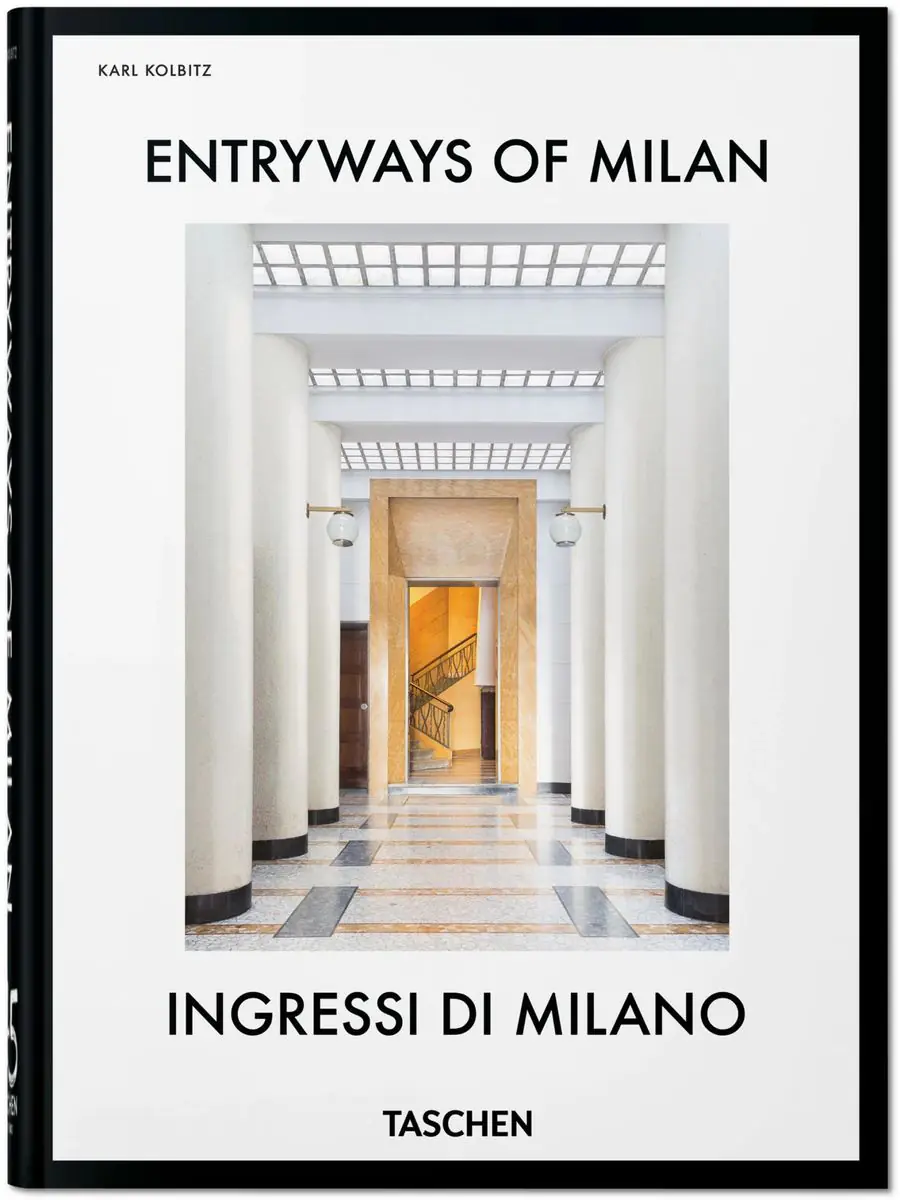
Entryways of Milan. Ingressi di Milano. 45th Ed.
Masz tę lub inne książki?
Sprzedaj je u nas

First impressions hold significant value, particularly in Milan. Karl Kolbitz curates a remarkable photographic exploration, unveiling the grand entrance halls of 144 of the city’s buildings, each one distinct in its luxuriousness and style. These entrances, usually concealed behind understated exteriors, reveal the diverse and striking nature of Italian modernism. They beautifully merge public and private areas through the dynamic use of color and form, ranging from intricately designed stone floors to striking minimalist murals. The featured collection includes buildings constructed between 1920 and 1970, highlighting the work of renowned architects such as Giovanni Muzio, Gio Ponti, Piero Portaluppi, and Luigi Caccia Dominioni. This gathering also acknowledges lesser-known yet equally compelling architectural works. The photographs were exclusively captured by D, ensuring authentic and fresh insights into Milan’s architectural elegance.
Wybierz stan zużycia:
WIĘCEJ O SKALI
First impressions hold significant value, particularly in Milan. Karl Kolbitz curates a remarkable photographic exploration, unveiling the grand entrance halls of 144 of the city’s buildings, each one distinct in its luxuriousness and style. These entrances, usually concealed behind understated exteriors, reveal the diverse and striking nature of Italian modernism. They beautifully merge public and private areas through the dynamic use of color and form, ranging from intricately designed stone floors to striking minimalist murals. The featured collection includes buildings constructed between 1920 and 1970, highlighting the work of renowned architects such as Giovanni Muzio, Gio Ponti, Piero Portaluppi, and Luigi Caccia Dominioni. This gathering also acknowledges lesser-known yet equally compelling architectural works. The photographs were exclusively captured by D, ensuring authentic and fresh insights into Milan’s architectural elegance.
Szczegóły
Inne książki tych autorów

Podobne produkty
Może Ci się spodobać
Inne książki z tej samej kategorii

Napisz opinię o książce i wygraj nagrodę!
W każdym miesiącu wybieramy najlepsze opinie i nagradzamy recenzentów.
Dowiedz się więcejWartość nagród w tym miesiącu
880 zł
Dodaj swoją opinię
Zaloguj się na swoje konto, aby mieć możliwość dodawania opinii.
Czy chcesz zostawić tylko ocenę?
Dodanie samej oceny o książce nie jest brane pod uwagę podczas losowania nagród. By mieć szansę na otrzymanie nagrody musisz napisać opinię o książce.
Już oceniłeś/zrecenzowałeś te książkę w przeszłości.
Możliwe jest dodanie tylko jednej recenzji do każdej z książek.
Sposoby dostawy
Odbiór w punkcie (7)
InPost Paczkomat 24/7

14,99 zł
DPD Pickup Automaty i Punkty Odbioru

10,49 zł





Dostawa na adres (7)
GLS U Ciebie - Kurier

14,99 zł
Kurier DPD

14,99 zł





Sposoby płatności
Płatność z góry
Przedpłata

Zwykły przelew
