Stan książek
Nasze książki są dokładnie sprawdzone i jasno określamy stan każdej z nich.
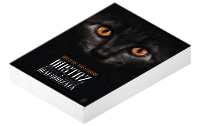

Nowa
Książka nowa.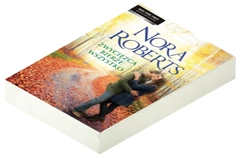
Używany - jak nowa
Niezauważalne lub prawie niezauważalne ślady używania. Książkę ciężko odróżnić od nowej pozycji.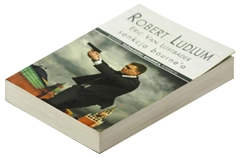
Używany - dobry
Normalne ślady używania wynikające z kartkowania podczas czytania, brak większych uszkodzeń lub zagięć.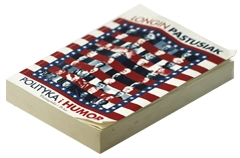
Używany - widoczne ślady użytkowania
zagięte rogi, przyniszczona okładka, książka posiada wszystkie strony.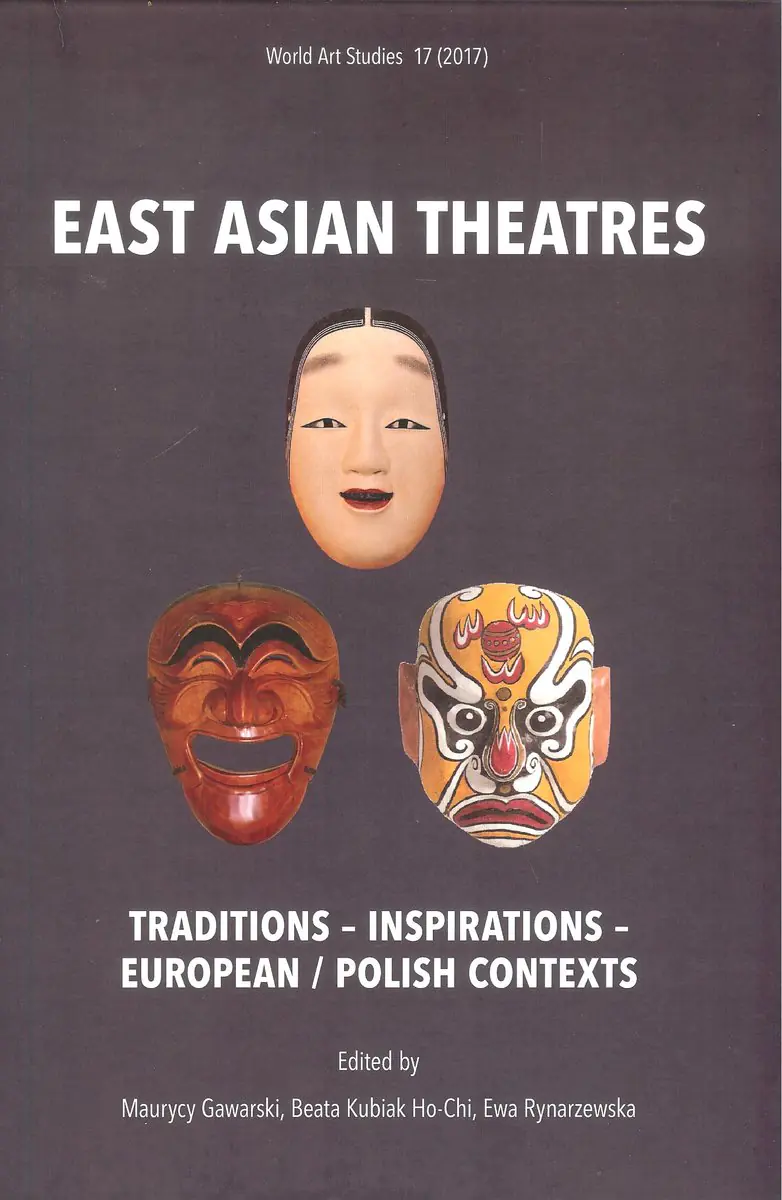
East Asian Theatres
Masz tę lub inne książki?
Sprzedaj je u nas

The conference titled "East Asian Theatres: Traditions, Inspirations, European / Polish Contexts" took place from October 20-22, 2015, and was organized by the Polish Institute of Art Studies at the MANGGHA Museum of Japanese Art and Technology in Krakow. This publication, aligned with the conference's title and agenda, is structured into three main sections: Traditions, Inspirations, and European / Polish Contexts. The first section delves into studies of specific stage genres from East Asian theatrical traditions, such as China's xiqu and shadow theatre, the Korean p'ansori, and Japan's n theatre, kabuki, and bunraku. The second section explores modern forms of East Asian theatres that have been shaped by Western theatre concepts starting in the late 19th and early 20th centuries. The final section focuses on the artistic exchanges between European, particularly Polish, theatre traditions and East Asian theatres. This part pays significant attention to how East Asian theatres have been received in Europe and Poland and how Polish contemporary stage art, notably in Japan, is perceived.Dedicated to Professor Zbigniew Osiński, a distinguished scholar of avant-garde theatre and Polish-Asian theatre connections, and an Honorary Member of the Institute, this publication honors his memory. His unexpected passing on January 1, 2018, prompted a brief delay in the publication process, allowing for a tribute to his work and legacy.
Wybierz stan zużycia:
WIĘCEJ O SKALI
The conference titled "East Asian Theatres: Traditions, Inspirations, European / Polish Contexts" took place from October 20-22, 2015, and was organized by the Polish Institute of Art Studies at the MANGGHA Museum of Japanese Art and Technology in Krakow. This publication, aligned with the conference's title and agenda, is structured into three main sections: Traditions, Inspirations, and European / Polish Contexts. The first section delves into studies of specific stage genres from East Asian theatrical traditions, such as China's xiqu and shadow theatre, the Korean p'ansori, and Japan's n theatre, kabuki, and bunraku. The second section explores modern forms of East Asian theatres that have been shaped by Western theatre concepts starting in the late 19th and early 20th centuries. The final section focuses on the artistic exchanges between European, particularly Polish, theatre traditions and East Asian theatres. This part pays significant attention to how East Asian theatres have been received in Europe and Poland and how Polish contemporary stage art, notably in Japan, is perceived.Dedicated to Professor Zbigniew Osiński, a distinguished scholar of avant-garde theatre and Polish-Asian theatre connections, and an Honorary Member of the Institute, this publication honors his memory. His unexpected passing on January 1, 2018, prompted a brief delay in the publication process, allowing for a tribute to his work and legacy.
Szczegóły
Inne książki tych autorów

Podobne produkty
Może Ci się spodobać
Inne książki z tej samej kategorii

Napisz opinię o książce i wygraj nagrodę!
W każdym miesiącu wybieramy najlepsze opinie i nagradzamy recenzentów.
Dowiedz się więcejWartość nagród w tym miesiącu
880 zł
Dodaj swoją opinię
Zaloguj się na swoje konto, aby mieć możliwość dodawania opinii.
Czy chcesz zostawić tylko ocenę?
Dodanie samej oceny o książce nie jest brane pod uwagę podczas losowania nagród. By mieć szansę na otrzymanie nagrody musisz napisać opinię o książce.
Już oceniłeś/zrecenzowałeś te książkę w przeszłości.
Możliwe jest dodanie tylko jednej recenzji do każdej z książek.
Sposoby dostawy
Odbiór w punkcie (7)
InPost Paczkomat 24/7

14,99 zł
DPD Pickup Automaty i Punkty Odbioru

10,49 zł





Dostawa na adres (7)
GLS U Ciebie - Kurier

14,99 zł
Kurier DPD

14,99 zł





Sposoby płatności
Płatność z góry
Przedpłata

Zwykły przelew
