Stan książek
Nasze książki są dokładnie sprawdzone i jasno określamy stan każdej z nich.
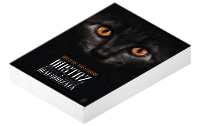

Nowa
Książka nowa.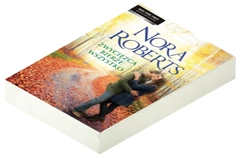
Używany - jak nowa
Niezauważalne lub prawie niezauważalne ślady używania. Książkę ciężko odróżnić od nowej pozycji.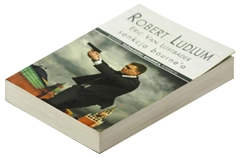
Używany - dobry
Normalne ślady używania wynikające z kartkowania podczas czytania, brak większych uszkodzeń lub zagięć.
Używany - widoczne ślady użytkowania
zagięte rogi, przyniszczona okładka, książka posiada wszystkie strony.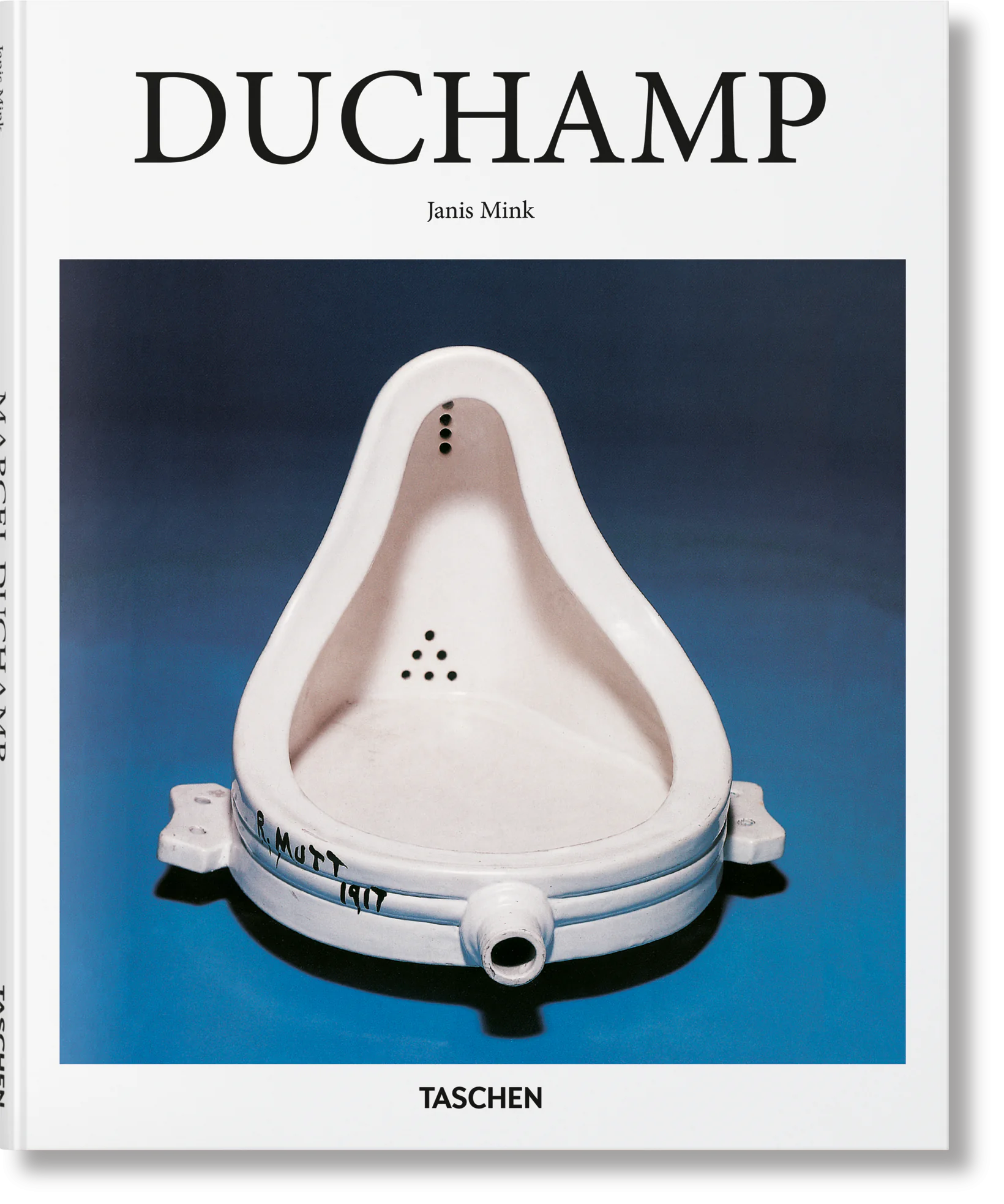
Duchamp
Masz tę lub inne książki?
Sprzedaj je u nas

When does a simple urinal transcend its typical function? This transformation occurs when Marcel Duchamp (1887–1968) redefined it as a piece of art. His groundbreaking creation, Fountain (1917), which involved placing a porcelain urinal in an art gallery, caused a stir that still resonates in the art community today. This pivotal piece encapsulates the boldness and controversy of Duchamp's career, representing not only a pivotal individual but also a significant era in Western cultural history. By examining works such as Nude Descending a Staircase (1912), which merges abstraction, Cubism, and Futurism, as well as his renowned "readymades" like Bicycle Wheel (1913) and Bottle Rack (1914), we see how Duchamp persistently questioned the essence of art itself. His work invites us to explore artistic concepts that extend far beyond mere visual perception.
Wybierz stan zużycia:
WIĘCEJ O SKALI
When does a simple urinal transcend its typical function? This transformation occurs when Marcel Duchamp (1887–1968) redefined it as a piece of art. His groundbreaking creation, Fountain (1917), which involved placing a porcelain urinal in an art gallery, caused a stir that still resonates in the art community today. This pivotal piece encapsulates the boldness and controversy of Duchamp's career, representing not only a pivotal individual but also a significant era in Western cultural history. By examining works such as Nude Descending a Staircase (1912), which merges abstraction, Cubism, and Futurism, as well as his renowned "readymades" like Bicycle Wheel (1913) and Bottle Rack (1914), we see how Duchamp persistently questioned the essence of art itself. His work invites us to explore artistic concepts that extend far beyond mere visual perception.
Szczegóły
Inne książki: Janis Mink

Podobne produkty
Może Ci się spodobać
Inne książki z tej samej kategorii

Napisz opinię o książce i wygraj nagrodę!
W każdym miesiącu wybieramy najlepsze opinie i nagradzamy recenzentów.
Dowiedz się więcejWartość nagród w tym miesiącu
880 zł
Dodaj swoją opinię
Zaloguj się na swoje konto, aby mieć możliwość dodawania opinii.
Czy chcesz zostawić tylko ocenę?
Dodanie samej oceny o książce nie jest brane pod uwagę podczas losowania nagród. By mieć szansę na otrzymanie nagrody musisz napisać opinię o książce.
Już oceniłeś/zrecenzowałeś te książkę w przeszłości.
Możliwe jest dodanie tylko jednej recenzji do każdej z książek.
Sposoby dostawy
Odbiór w punkcie (7)
InPost Paczkomat 24/7

14,99 zł
DPD Pickup Automaty i Punkty Odbioru

10,49 zł





Dostawa na adres (7)
GLS U Ciebie - Kurier

14,99 zł
Kurier DPD

14,99 zł





Sposoby płatności
Płatność z góry
Przedpłata

Zwykły przelew
