Stan książek
Nasze książki są dokładnie sprawdzone i jasno określamy stan każdej z nich.
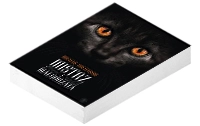

Nowa
Książka nowa.
Używany - jak nowa
Niezauważalne lub prawie niezauważalne ślady używania. Książkę ciężko odróżnić od nowej pozycji.
Używany - dobry
Normalne ślady używania wynikające z kartkowania podczas czytania, brak większych uszkodzeń lub zagięć.
Używany - widoczne ślady użytkowania
zagięte rogi, przyniszczona okładka, książka posiada wszystkie strony.
Black Earth
DODAJ DO LISTY ŻYCZEŃ
Masz tę lub inne książki?
Sprzedaj je u nas

The common perception of the Holocaust is that of a death factory meticulously managed by bureaucrats. However, even before the gas chambers were operational, over a million European Jews had already been killed, executed at close range near pits and ravines. These atrocities occurred in the lawless territories carved out by the German colonial war in the East, often on the very fertile lands the Nazis envisioned would sustain the German populace.It is comforting to view the Holocaust as a singular, unparalleled atrocity. Yet, as Timothy Snyder elucidates, we overlook crucial lessons from history; some of our assumptions alarmingly echo the ecological fears expressed by Hitler in the 1920s. As ideological and environmental challenges grow, our societies may be more susceptible to instability than we care to admit.Timothy Snyder’s earlier work, "Bloodlands," received praise for its account of the devastation in Eastern Europe between 1933 and 1945, when Nazi and Soviet actions led to the deaths of approximately 14 million people. In "Black Earth," Snyder delves deeply into the ideological and political currents that facilitated the most extreme of these policies: the Nazi genocide of the Jews. This groundbreaking analysis not only clarifies the Holocaust but also amplifies its horror.
Wybierz stan zużycia:
WIĘCEJ O SKALI
67,97 zł
nowa
Pakujemy 10.11

- nowa książka
jak nowa
dobry
widoczne ślady używania
Dostępna ilość 5
Uwaga została 1 szt.
Posiadamy 5 szt.
The common perception of the Holocaust is that of a death factory meticulously managed by bureaucrats. However, even before the gas chambers were operational, over a million European Jews had already been killed, executed at close range near pits and ravines. These atrocities occurred in the lawless territories carved out by the German colonial war in the East, often on the very fertile lands the Nazis envisioned would sustain the German populace.It is comforting to view the Holocaust as a singular, unparalleled atrocity. Yet, as Timothy Snyder elucidates, we overlook crucial lessons from history; some of our assumptions alarmingly echo the ecological fears expressed by Hitler in the 1920s. As ideological and environmental challenges grow, our societies may be more susceptible to instability than we care to admit.Timothy Snyder’s earlier work, "Bloodlands," received praise for its account of the devastation in Eastern Europe between 1933 and 1945, when Nazi and Soviet actions led to the deaths of approximately 14 million people. In "Black Earth," Snyder delves deeply into the ideological and political currents that facilitated the most extreme of these policies: the Nazi genocide of the Jews. This groundbreaking analysis not only clarifies the Holocaust but also amplifies its horror.
Szczegóły
Inne książki: Timothy Snyder

Podobne produkty
Może Ci się spodobać
Inne książki z tej samej kategorii

Napisz opinię o książce i wygraj nagrodę!
W każdym miesiącu wybieramy najlepsze opinie i nagradzamy recenzentów.
Dowiedz się więcejWartość nagród w tym miesiącu
880,00 zł
Dodaj swoją opinię
Zaloguj się na swoje konto, aby mieć możliwość dodawania opinii.
Czy chcesz zostawić tylko ocenę?
Dodanie samej oceny o książce nie jest brane pod uwagę podczas losowania nagród. By mieć szansę na otrzymanie nagrody musisz napisać opinię o książce.
Już oceniłeś/zrecenzowałeś te książkę w przeszłości.
Możliwe jest dodanie tylko jednej recenzji do każdej z książek.
Sposoby dostawy
Odbiór w punkcie (8)
InPost Paczkomat 24/7

14,99 zł
ORLEN Paczka

11,99 zł






Dostawa na adres (7)
GLS U Ciebie - Kurier

14,99 zł
Kurier DPD

14,99 zł





Sposoby płatności
Płatność z góry
Przedpłata

Zwykły przelew
