Stan książek
Nasze książki są dokładnie sprawdzone i jasno określamy stan każdej z nich.
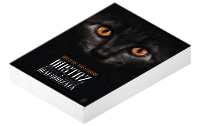

Nowa
Książka nowa.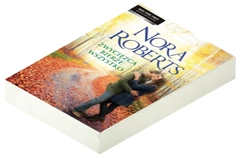
Używany - jak nowa
Niezauważalne lub prawie niezauważalne ślady używania. Książkę ciężko odróżnić od nowej pozycji.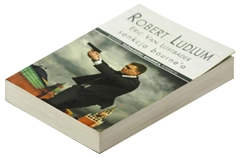
Używany - dobry
Normalne ślady używania wynikające z kartkowania podczas czytania, brak większych uszkodzeń lub zagięć.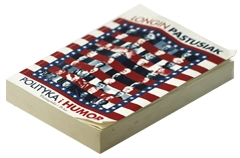
Używany - widoczne ślady użytkowania
zagięte rogi, przyniszczona okładka, książka posiada wszystkie strony.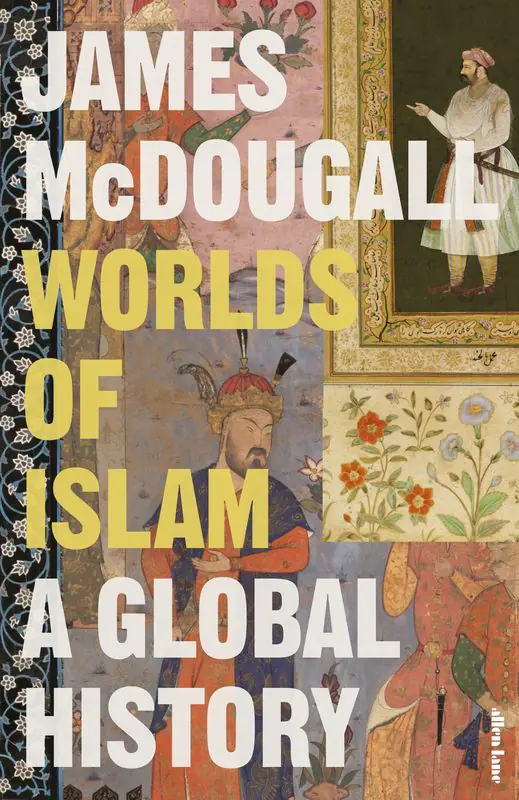
Worlds of Islam
Masz tę lub inne książki?
Sprzedaj je u nas

From its inception in seventh-century Arabia, Islam has been a dynamic and evolving faith. In "Worlds of Islam," James McDougall delves into the religion's origins and its journey through various phases, from Late Antiquity to the digital age. Over a millennium, armies, missionaries, and traders spread Islam across the globe, reaching the fringes of Europe, the shores of Southeast Asia, and deep into China. By the nineteenth century, the Islamic world had become incredibly diverse, ranging from Muslim-dominated empires to countries where Muslims coexisted with others of different faiths. In the twentieth century, while Gulf monarchs emphasized dynastic authority and fundamentalists in Egypt and Pakistan focused on social morality, revolutionaries from Algeria to Indonesia sought national independence, and activists in North America and Europe strived for civil rights and social justice. As traditional empires crumbled and new global powers emerged, Muslims remained as adaptable and dynamic as the modern era itself. "Worlds of Islam" offers an authoritative and comprehensive account of how Muslims formed communities, established empires, expanded worldwide, grew to billions, and embraced modernity.
Wybierz stan zużycia:
WIĘCEJ O SKALI
From its inception in seventh-century Arabia, Islam has been a dynamic and evolving faith. In "Worlds of Islam," James McDougall delves into the religion's origins and its journey through various phases, from Late Antiquity to the digital age. Over a millennium, armies, missionaries, and traders spread Islam across the globe, reaching the fringes of Europe, the shores of Southeast Asia, and deep into China. By the nineteenth century, the Islamic world had become incredibly diverse, ranging from Muslim-dominated empires to countries where Muslims coexisted with others of different faiths. In the twentieth century, while Gulf monarchs emphasized dynastic authority and fundamentalists in Egypt and Pakistan focused on social morality, revolutionaries from Algeria to Indonesia sought national independence, and activists in North America and Europe strived for civil rights and social justice. As traditional empires crumbled and new global powers emerged, Muslims remained as adaptable and dynamic as the modern era itself. "Worlds of Islam" offers an authoritative and comprehensive account of how Muslims formed communities, established empires, expanded worldwide, grew to billions, and embraced modernity.
Szczegóły
Inne książki: James McDougall

Podobne produkty
Może Ci się spodobać
Inne książki z tej samej kategorii

Napisz opinię o książce i wygraj nagrodę!
W każdym miesiącu wybieramy najlepsze opinie i nagradzamy recenzentów.
Dowiedz się więcejWartość nagród w tym miesiącu
880 zł
Dodaj swoją opinię
Zaloguj się na swoje konto, aby mieć możliwość dodawania opinii.
Czy chcesz zostawić tylko ocenę?
Dodanie samej oceny o książce nie jest brane pod uwagę podczas losowania nagród. By mieć szansę na otrzymanie nagrody musisz napisać opinię o książce.
Już oceniłeś/zrecenzowałeś te książkę w przeszłości.
Możliwe jest dodanie tylko jednej recenzji do każdej z książek.
Sposoby dostawy
Odbiór w punkcie (7)
InPost Paczkomat 24/7

14,99 zł
DPD Pickup Automaty i Punkty Odbioru

10,49 zł





Dostawa na adres (7)
GLS U Ciebie - Kurier

14,99 zł
Kurier DPD

14,99 zł





Sposoby płatności
Płatność z góry
Przedpłata

Zwykły przelew
