Stan książek
Nasze książki są dokładnie sprawdzone i jasno określamy stan każdej z nich.


Nowa
Książka nowa.
Używany - jak nowa
Niezauważalne lub prawie niezauważalne ślady używania. Książkę ciężko odróżnić od nowej pozycji.
Używany - dobry
Normalne ślady używania wynikające z kartkowania podczas czytania, brak większych uszkodzeń lub zagięć.
Używany - widoczne ślady użytkowania
zagięte rogi, przyniszczona okładka, książka posiada wszystkie strony.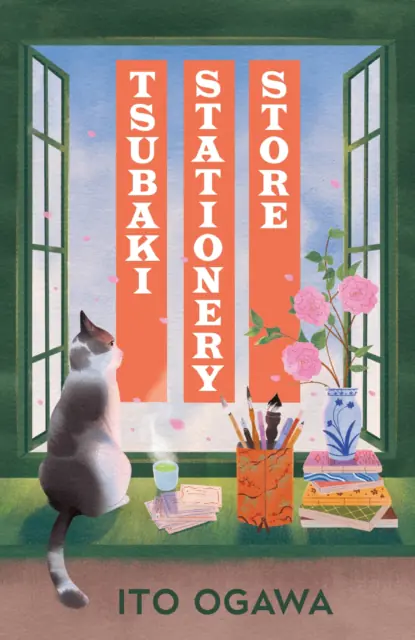
Tsubaki Stationery Store
Masz tę lub inne książki?
Sprzedaj je u nas

"The beloved and heartwarming Japanese bestseller 'Tsubaki Stationery Store' is now available in English for the first time. Recognized through its nomination for the prestigious Japan Booksellers' Award, the novel's charm even led to its adaptation into a major TV series, with 440,000 copies sold in Japan. The book is celebrated by many, including Kaori Nakahara from Sankei Shimbun, who describes it as an 'irresistible treasure trove,' and Michiko Watanabe from Hanako Magazine, who calls it a 'sparkling tale' with lovable characters. The story revolves around Hatoko, who returns to Kamakura after living abroad for several years. She takes over her late grandmother's stationery store and the role of a public scribe—a profession she learned as a child under her grandmother’s stern guidance. As Hatoko embraces her new responsibilities, she assists the locals by penning various letters on their behalf, whether they express greetings, condolences, farewells, or love. In doing so, she finds herself surrounded by a supportive community, and as she uncovers her grandmother's secrets, Hatoko realizes that her role involves much more than merely writing. The narrative unfolds along with the changing seasons, highlighting Japanese rituals and celebrations, all the while illustrating the transformative power of writing and the significance of community bonds."
Wybierz stan zużycia:
WIĘCEJ O SKALI
"The beloved and heartwarming Japanese bestseller 'Tsubaki Stationery Store' is now available in English for the first time. Recognized through its nomination for the prestigious Japan Booksellers' Award, the novel's charm even led to its adaptation into a major TV series, with 440,000 copies sold in Japan. The book is celebrated by many, including Kaori Nakahara from Sankei Shimbun, who describes it as an 'irresistible treasure trove,' and Michiko Watanabe from Hanako Magazine, who calls it a 'sparkling tale' with lovable characters. The story revolves around Hatoko, who returns to Kamakura after living abroad for several years. She takes over her late grandmother's stationery store and the role of a public scribe—a profession she learned as a child under her grandmother’s stern guidance. As Hatoko embraces her new responsibilities, she assists the locals by penning various letters on their behalf, whether they express greetings, condolences, farewells, or love. In doing so, she finds herself surrounded by a supportive community, and as she uncovers her grandmother's secrets, Hatoko realizes that her role involves much more than merely writing. The narrative unfolds along with the changing seasons, highlighting Japanese rituals and celebrations, all the while illustrating the transformative power of writing and the significance of community bonds."
Szczegóły
Inne książki: Ito Ogawa

Podobne produkty
Może Ci się spodobać
Inne książki z tej samej kategorii

Napisz opinię o książce i wygraj nagrodę!
W każdym miesiącu wybieramy najlepsze opinie i nagradzamy recenzentów.
Dowiedz się więcejWartość nagród w tym miesiącu
880 zł
Dodaj swoją opinię
Zaloguj się na swoje konto, aby mieć możliwość dodawania opinii.
Czy chcesz zostawić tylko ocenę?
Dodanie samej oceny o książce nie jest brane pod uwagę podczas losowania nagród. By mieć szansę na otrzymanie nagrody musisz napisać opinię o książce.
Już oceniłeś/zrecenzowałeś te książkę w przeszłości.
Możliwe jest dodanie tylko jednej recenzji do każdej z książek.
Sposoby dostawy
Odbiór w punkcie (7)
InPost Paczkomat 24/7

14,99 zł
DPD Pickup Automaty i Punkty Odbioru

10,49 zł





Dostawa na adres (7)
GLS U Ciebie - Kurier

14,99 zł
Kurier DPD

14,99 zł





Sposoby płatności
Płatność z góry
Przedpłata

Zwykły przelew
