Stan książek
Nasze książki są dokładnie sprawdzone i jasno określamy stan każdej z nich.


Nowa
Książka nowa.
Używany - jak nowa
Niezauważalne lub prawie niezauważalne ślady używania. Książkę ciężko odróżnić od nowej pozycji.
Używany - dobry
Normalne ślady używania wynikające z kartkowania podczas czytania, brak większych uszkodzeń lub zagięć.
Używany - widoczne ślady użytkowania
zagięte rogi, przyniszczona okładka, książka posiada wszystkie strony.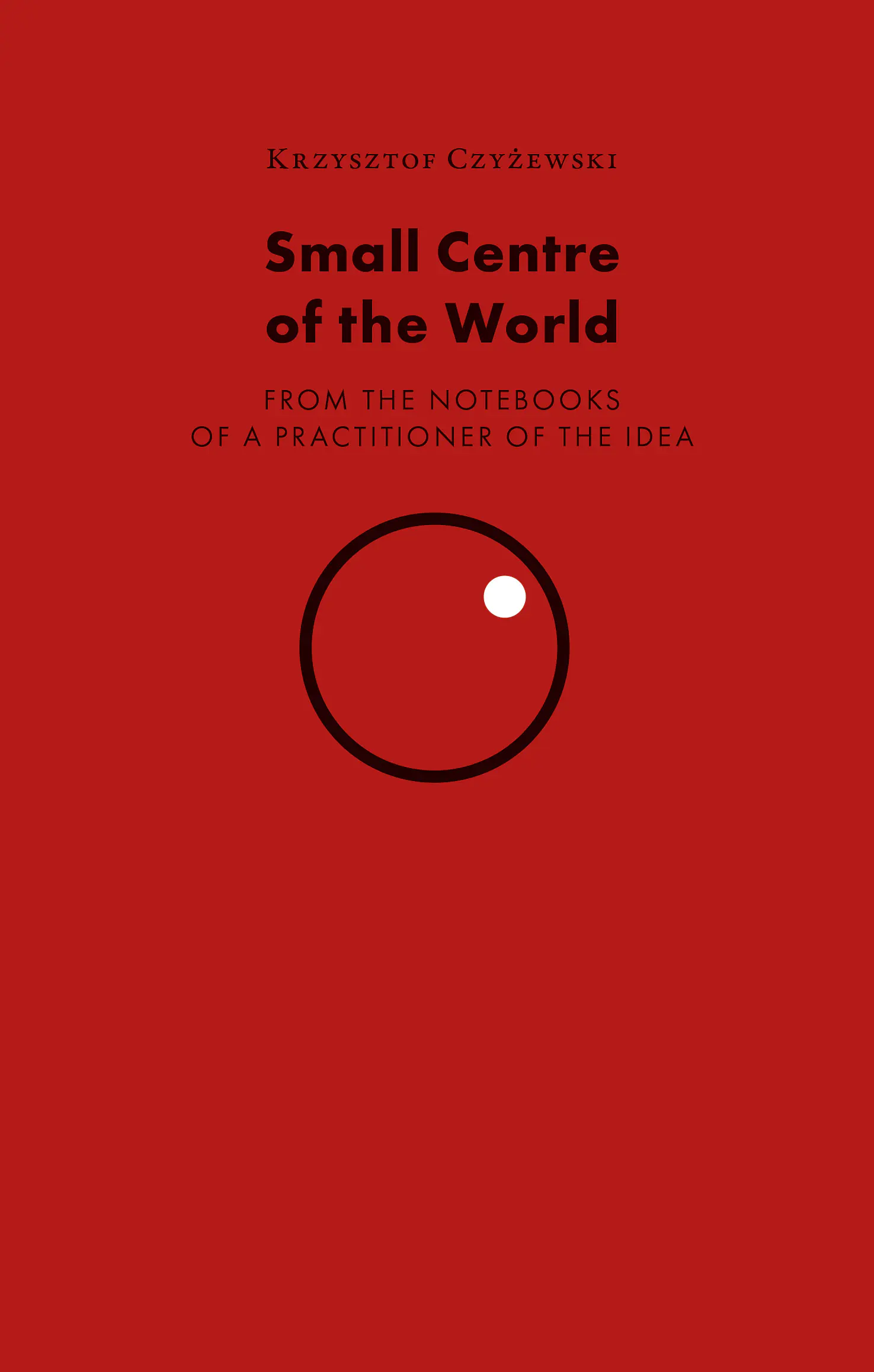
Small Centre of the World
Masz tę lub inne książki?
Sprzedaj je u nas

In his concept of "Making through action," Czyżewski interprets utopia as an active process rather than a static idea—an ongoing condition or endeavor that requires freedom. He navigates the potential conflicts between personal liberty and connection-building by advocating for the practice of freedom as "interdependence rather than autonomy." As a result, those who have gained recognition by fighting for emancipation should learn to balance their individuality with a sense of community. In places where unity triumphs over division, where both tangible and intangible social bonds are established, and where people engage in dialogue to address differences, meaningful connections are created. Naming and repairing these fractured links lead to cohesive communities, and in such an environment, a foreigner is welcomed rather than viewed with suspicion, fostering a microcosm of the world where shared understanding flourishes. This perspective is elaborated upon by Przemysław Czapliński.
Wybierz stan zużycia:
WIĘCEJ O SKALI
In his concept of "Making through action," Czyżewski interprets utopia as an active process rather than a static idea—an ongoing condition or endeavor that requires freedom. He navigates the potential conflicts between personal liberty and connection-building by advocating for the practice of freedom as "interdependence rather than autonomy." As a result, those who have gained recognition by fighting for emancipation should learn to balance their individuality with a sense of community. In places where unity triumphs over division, where both tangible and intangible social bonds are established, and where people engage in dialogue to address differences, meaningful connections are created. Naming and repairing these fractured links lead to cohesive communities, and in such an environment, a foreigner is welcomed rather than viewed with suspicion, fostering a microcosm of the world where shared understanding flourishes. This perspective is elaborated upon by Przemysław Czapliński.
Szczegóły
Inne książki: Krzysztof Czyżewski

Podobne produkty
Może Ci się spodobać
Inne książki z tej samej kategorii

Napisz opinię o książce i wygraj nagrodę!
W każdym miesiącu wybieramy najlepsze opinie i nagradzamy recenzentów.
Dowiedz się więcejWartość nagród w tym miesiącu
880 zł
Dodaj swoją opinię
Zaloguj się na swoje konto, aby mieć możliwość dodawania opinii.
Czy chcesz zostawić tylko ocenę?
Dodanie samej oceny o książce nie jest brane pod uwagę podczas losowania nagród. By mieć szansę na otrzymanie nagrody musisz napisać opinię o książce.
Już oceniłeś/zrecenzowałeś te książkę w przeszłości.
Możliwe jest dodanie tylko jednej recenzji do każdej z książek.
Sposoby dostawy
Odbiór w punkcie (7)
InPost Paczkomat 24/7

14,99 zł
DPD Pickup Automaty i Punkty Odbioru

10,49 zł





Dostawa na adres (7)
GLS U Ciebie - Kurier

14,99 zł
Kurier DPD

14,99 zł





Sposoby płatności
Płatność z góry
Przedpłata

Zwykły przelew
