Stan książek
Nasze książki są dokładnie sprawdzone i jasno określamy stan każdej z nich.


Nowa
Książka nowa.
Używany - jak nowa
Niezauważalne lub prawie niezauważalne ślady używania. Książkę ciężko odróżnić od nowej pozycji.
Używany - dobry
Normalne ślady używania wynikające z kartkowania podczas czytania, brak większych uszkodzeń lub zagięć.
Używany - widoczne ślady użytkowania
zagięte rogi, przyniszczona okładka, książka posiada wszystkie strony.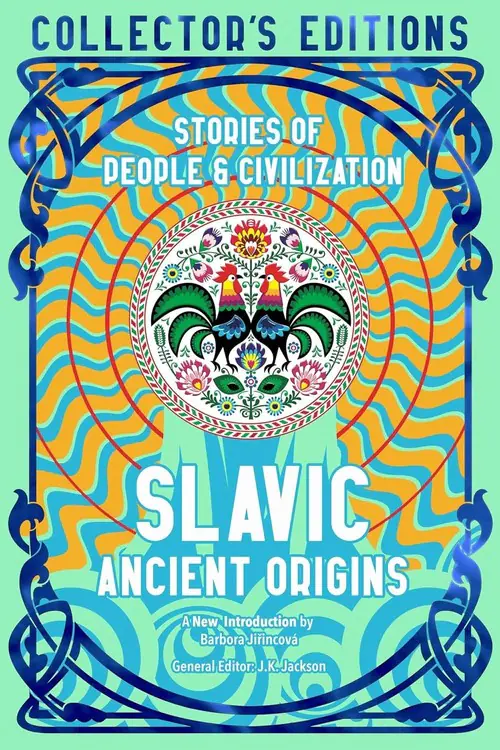
Slavic Ancient Origins wer. angielska
Masz tę lub inne książki?
Sprzedaj je u nas

The origins of the Slavic people can be traced back to ancient times through linguistic and archaeological evidence, linking them to late Babylon and the Vedic culture in India. However, more detailed accounts describe them as a formidable military ally to various tribes such as the Avars, Scythians, Visigoths, and Ugrics that challenged the Roman Empire's borders during the 600s CE. The Slavs traveled alongside many Celtic and Germanic tribes across the Baltic region, reaching as far south as Constantinople and Greece, before moving towards the Black Sea and beyond. They then settled in the territories left vacant by the dissolution of Attila the Hun’s empire. The early chronicles of their history were penned by monastic historians following the widespread conversion to Christianity in the 800s and 900s, beyond the ancient Roman Empire. Their mythology parallels that of the Scandinavian people, but the Slavs eventually occupied an expansive land area, divided into the categories recognized today as East, West, and South Slavs, including the Bulgarians and Hungarians. This intriguing book delves into the history and impact of the Slavic peoples during pivotal periods in European cultural development.
Wybierz stan zużycia:
WIĘCEJ O SKALI
The origins of the Slavic people can be traced back to ancient times through linguistic and archaeological evidence, linking them to late Babylon and the Vedic culture in India. However, more detailed accounts describe them as a formidable military ally to various tribes such as the Avars, Scythians, Visigoths, and Ugrics that challenged the Roman Empire's borders during the 600s CE. The Slavs traveled alongside many Celtic and Germanic tribes across the Baltic region, reaching as far south as Constantinople and Greece, before moving towards the Black Sea and beyond. They then settled in the territories left vacant by the dissolution of Attila the Hun’s empire. The early chronicles of their history were penned by monastic historians following the widespread conversion to Christianity in the 800s and 900s, beyond the ancient Roman Empire. Their mythology parallels that of the Scandinavian people, but the Slavs eventually occupied an expansive land area, divided into the categories recognized today as East, West, and South Slavs, including the Bulgarians and Hungarians. This intriguing book delves into the history and impact of the Slavic peoples during pivotal periods in European cultural development.
Szczegóły
Dane producenta:
Inne książki tych autorów

Podobne produkty
Może Ci się spodobać
Inne książki z tej samej kategorii

Napisz opinię o książce i wygraj nagrodę!
W każdym miesiącu wybieramy najlepsze opinie i nagradzamy recenzentów.
Dowiedz się więcejWartość nagród w tym miesiącu
880 zł
Dodaj swoją opinię
Zaloguj się na swoje konto, aby mieć możliwość dodawania opinii.
Czy chcesz zostawić tylko ocenę?
Dodanie samej oceny o książce nie jest brane pod uwagę podczas losowania nagród. By mieć szansę na otrzymanie nagrody musisz napisać opinię o książce.
Już oceniłeś/zrecenzowałeś te książkę w przeszłości.
Możliwe jest dodanie tylko jednej recenzji do każdej z książek.
Sposoby dostawy
Odbiór w punkcie (7)
InPost Paczkomat 24/7

14,99 zł
DPD Pickup Automaty i Punkty Odbioru

10,49 zł





Dostawa na adres (7)
GLS U Ciebie - Kurier

14,99 zł
Kurier DPD

14,99 zł





Sposoby płatności
Płatność z góry
Przedpłata

Zwykły przelew
