Stan książek
Nasze książki są dokładnie sprawdzone i jasno określamy stan każdej z nich.
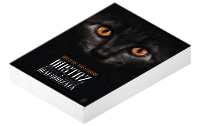

Nowa
Książka nowa.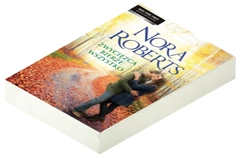
Używany - jak nowa
Niezauważalne lub prawie niezauważalne ślady używania. Książkę ciężko odróżnić od nowej pozycji.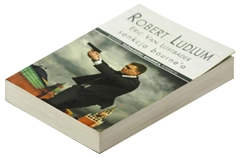
Używany - dobry
Normalne ślady używania wynikające z kartkowania podczas czytania, brak większych uszkodzeń lub zagięć.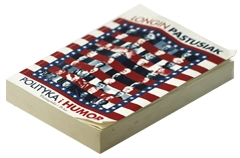
Używany - widoczne ślady użytkowania
zagięte rogi, przyniszczona okładka, książka posiada wszystkie strony.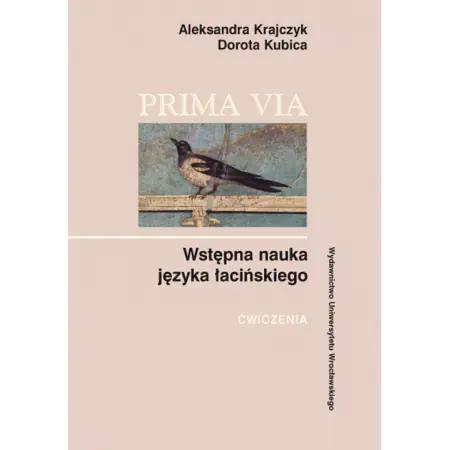
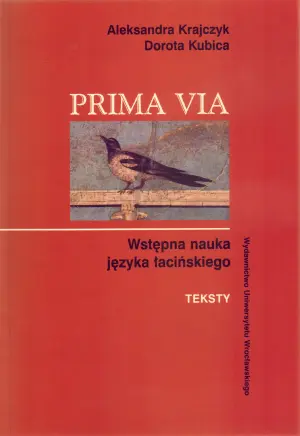
Prima Via. Wstępna Nauka Języka Łacińskiego. Ćwiczenia
Masz tę lub inne książki?
Sprzedaj je u nas

This text appears to provide an overview of the key grammatical structures and concepts covered in a Latin language book. The book organizes its content around a series of linguistic elements essential for understanding and mastering Latin grammar. It begins by exploring various verb conjugations, including the indicative mood in present, imperfect, and future active voices. Subsequently, it moves to noun declensions, starting with the first declension and detailing the use of prepositions. The importance of the possessive dative is also discussed, followed by an examination of participles in both their perfect passive and future active forms. Further sections focus on the indicative mood in various passive forms and delve into specific verbs like "prosum," "prodesse," "profui," and "possum," "posse," "potui." The syntactic structure known as Accusativus cum Infinitivo (ACI) is analyzed, alongside demonstrative pronouns and the syntax related to geographical names. The more intricate third declension is reviewed before moving on to active participles in the present tense.The instructional material also covers relative pronouns such as "qui," "quae," "quod," and introduces perfect, pluperfect, and future perfect tenses in the active voice, as well as the perfect infinitive active. Adverbs are another significant topic, preceding a discussion on the use of the subjunctive mood in independent clauses. The book also touches upon final and objective uses of "ut," as well as the supine form and the sequence of tenses.Students can expect a comprehensive review of verb forms, noun and adjective declensions, and pronoun usage. This includes an analysis of comparatives and a thorough examination of ACI and NCI structures across all tenses. The book also addresses the ablative absolute and the passive periphrastic conjugation. Each section seems designed to build upon the previous ones, supporting incremental learning and mastery. A Polish-Latin dictionary is included, providing a valuable resource for translation and further study.
Wybierz stan zużycia:
WIĘCEJ O SKALI
This text appears to provide an overview of the key grammatical structures and concepts covered in a Latin language book. The book organizes its content around a series of linguistic elements essential for understanding and mastering Latin grammar. It begins by exploring various verb conjugations, including the indicative mood in present, imperfect, and future active voices. Subsequently, it moves to noun declensions, starting with the first declension and detailing the use of prepositions. The importance of the possessive dative is also discussed, followed by an examination of participles in both their perfect passive and future active forms. Further sections focus on the indicative mood in various passive forms and delve into specific verbs like "prosum," "prodesse," "profui," and "possum," "posse," "potui." The syntactic structure known as Accusativus cum Infinitivo (ACI) is analyzed, alongside demonstrative pronouns and the syntax related to geographical names. The more intricate third declension is reviewed before moving on to active participles in the present tense.The instructional material also covers relative pronouns such as "qui," "quae," "quod," and introduces perfect, pluperfect, and future perfect tenses in the active voice, as well as the perfect infinitive active. Adverbs are another significant topic, preceding a discussion on the use of the subjunctive mood in independent clauses. The book also touches upon final and objective uses of "ut," as well as the supine form and the sequence of tenses.Students can expect a comprehensive review of verb forms, noun and adjective declensions, and pronoun usage. This includes an analysis of comparatives and a thorough examination of ACI and NCI structures across all tenses. The book also addresses the ablative absolute and the passive periphrastic conjugation. Each section seems designed to build upon the previous ones, supporting incremental learning and mastery. A Polish-Latin dictionary is included, providing a valuable resource for translation and further study.
Szczegóły

17.08 zł
jak nowa
-
17.08 zł
jak nowa


21.33 zł
jak nowa
-
21.33 zł
jak nowa

Inne książki tych autorów

Podobne produkty
Może Ci się spodobać
Inne książki z tej samej kategorii

Napisz opinię o książce i wygraj nagrodę!
W każdym miesiącu wybieramy najlepsze opinie i nagradzamy recenzentów.
Dowiedz się więcejWartość nagród w tym miesiącu
880 zł
Dodaj swoją opinię
Zaloguj się na swoje konto, aby mieć możliwość dodawania opinii.
Czy chcesz zostawić tylko ocenę?
Dodanie samej oceny o książce nie jest brane pod uwagę podczas losowania nagród. By mieć szansę na otrzymanie nagrody musisz napisać opinię o książce.
Już oceniłeś/zrecenzowałeś te książkę w przeszłości.
Możliwe jest dodanie tylko jednej recenzji do każdej z książek.
Sposoby dostawy
Odbiór w punkcie (7)
InPost Paczkomat 24/7

14,99 zł
DPD Pickup Automaty i Punkty Odbioru

11,99 zł




Dostawa na adres (7)
GLS U Ciebie - Kurier
14,99 zł
Kurier DPD

14,99 zł





Sposoby płatności
Płatność z góry
Przedpłata

Zwykły przelew
