Stan książek
Nasze książki są dokładnie sprawdzone i jasno określamy stan każdej z nich.


Nowa
Książka nowa.
Używany - jak nowa
Niezauważalne lub prawie niezauważalne ślady używania. Książkę ciężko odróżnić od nowej pozycji.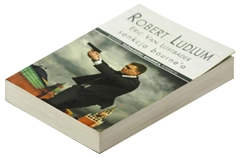
Używany - dobry
Normalne ślady używania wynikające z kartkowania podczas czytania, brak większych uszkodzeń lub zagięć.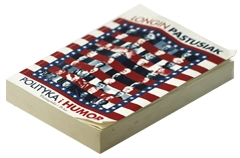
Używany - widoczne ślady użytkowania
zagięte rogi, przyniszczona okładka, książka posiada wszystkie strony.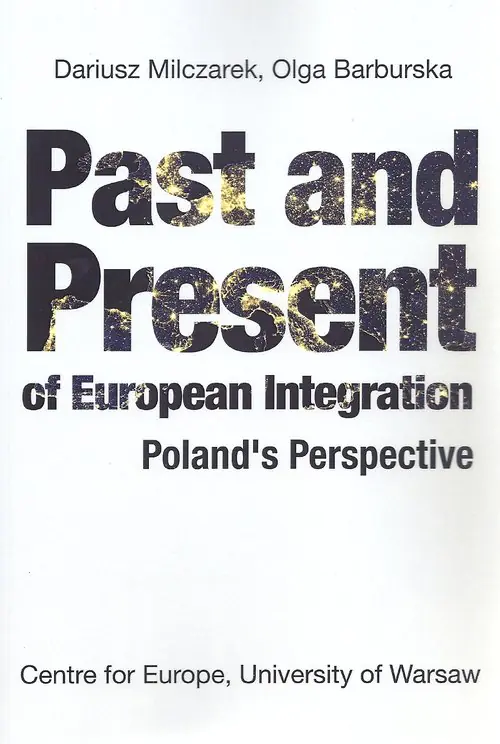
Past and Present of European Integration. Poland's Perspective
Masz tę lub inne książki?
Sprzedaj je u nas

The book offers an insightful perspective on the Polish viewpoint regarding the origins and progression of integration processes within Europe, highlighting Poland's significant involvement. Initially, it delves into Poland's historical part in Europe, especially over the last quarter-century, while exploring the concept and vision of European integration. Moving forward, the book examines European integration through a historical lens, tracing the development from the dawn of European civilization up to World War II, and considers both theoretical frameworks and specific political and economic initiatives during these times.Further, the text provides an analysis of modern integration trends in Europe post-World War II. It scrutinizes the main objectives, diverse factors, institutions, stages, and models associated with these processes and offers an in-depth look at the progression of the European Communities and the European Union from their inception to the present day. The conclusion attempts to evaluate the primary successes and shortcomings of the contemporary European Union, along with Poland's past, ongoing, and future roles in European integration.
Wybierz stan zużycia:
WIĘCEJ O SKALI
The book offers an insightful perspective on the Polish viewpoint regarding the origins and progression of integration processes within Europe, highlighting Poland's significant involvement. Initially, it delves into Poland's historical part in Europe, especially over the last quarter-century, while exploring the concept and vision of European integration. Moving forward, the book examines European integration through a historical lens, tracing the development from the dawn of European civilization up to World War II, and considers both theoretical frameworks and specific political and economic initiatives during these times.Further, the text provides an analysis of modern integration trends in Europe post-World War II. It scrutinizes the main objectives, diverse factors, institutions, stages, and models associated with these processes and offers an in-depth look at the progression of the European Communities and the European Union from their inception to the present day. The conclusion attempts to evaluate the primary successes and shortcomings of the contemporary European Union, along with Poland's past, ongoing, and future roles in European integration.
Szczegóły
Inne książki tych autorów

Podobne produkty
Może Ci się spodobać
Inne książki z tej samej kategorii

Napisz opinię o książce i wygraj nagrodę!
W każdym miesiącu wybieramy najlepsze opinie i nagradzamy recenzentów.
Dowiedz się więcejWartość nagród w tym miesiącu
880 zł
Dodaj swoją opinię
Zaloguj się na swoje konto, aby mieć możliwość dodawania opinii.
Czy chcesz zostawić tylko ocenę?
Dodanie samej oceny o książce nie jest brane pod uwagę podczas losowania nagród. By mieć szansę na otrzymanie nagrody musisz napisać opinię o książce.
Już oceniłeś/zrecenzowałeś te książkę w przeszłości.
Możliwe jest dodanie tylko jednej recenzji do każdej z książek.
Sposoby dostawy
Odbiór w punkcie (7)
InPost Paczkomat 24/7

14,99 zł
DPD Pickup Automaty i Punkty Odbioru

10,49 zł




Dostawa na adres (7)
GLS U Ciebie - Kurier

14,99 zł
Kurier DPD

14,99 zł





Sposoby płatności
Płatność z góry
Przedpłata

Zwykły przelew
