Stan książek
Nasze książki są dokładnie sprawdzone i jasno określamy stan każdej z nich.
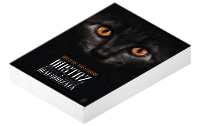

Nowa
Książka nowa.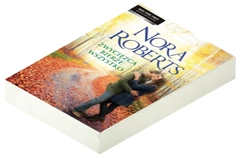
Używany - jak nowa
Niezauważalne lub prawie niezauważalne ślady używania. Książkę ciężko odróżnić od nowej pozycji.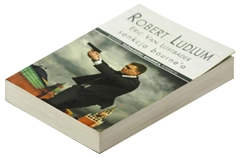
Używany - dobry
Normalne ślady używania wynikające z kartkowania podczas czytania, brak większych uszkodzeń lub zagięć.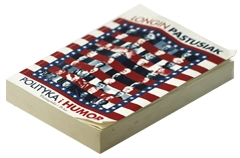
Używany - widoczne ślady użytkowania
zagięte rogi, przyniszczona okładka, książka posiada wszystkie strony.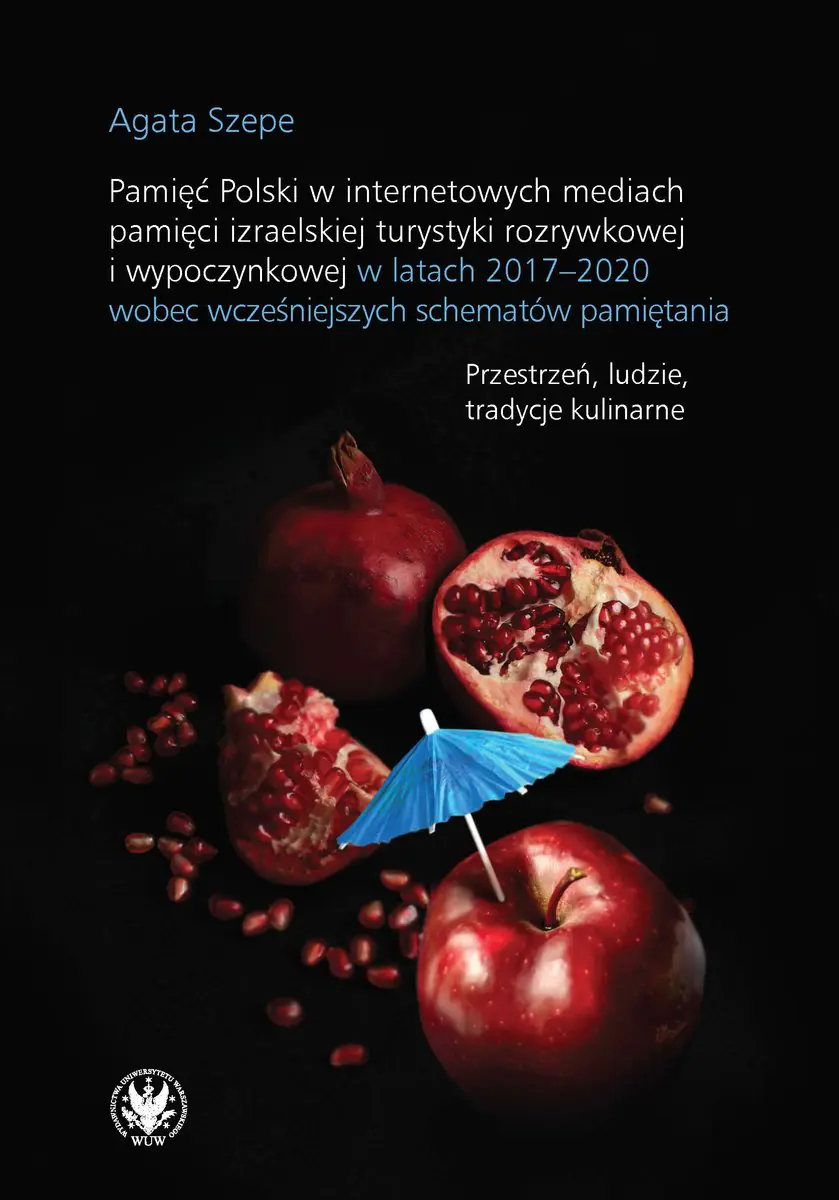
Pamięć Polski w internetowych mediach pamięci izraelskiej turystyki rozrywkowej i wypoczynkowej
DODAJ DO LISTY ŻYCZEŃ
Masz tę lub inne książki?
Sprzedaj je u nas

The book delves into the evolving perception of Poland, its people, and its culinary traditions in Israeli collective memory, influenced by recent trends in entertainment and leisure tourism from Israel to Poland. Using the framework of memory studies, specifically traveling memory and media-mediated memory, it explores how these perspectives shift. Key questions considered in the analysis include why there's an emphasis on experiencing contrasting memories of the Holocaust and entertainment in modern Poland, what rhetorical strategies are employed to challenge the negative narrative about Polish Jewish cuisine, and how Poland is portrayed in tourism materials during tense moments in Polish-Israeli relations. The author further illustrates how long-standing memory patterns in Israel shape the language, metaphors, and cultural symbols associated with the emerging trend of Israeli leisure tourism in Poland.
Wybierz stan zużycia:
WIĘCEJ O SKALI
51.00 zł
nowa
Pakujemy 28.09

- nowa książka
jak nowa
dobry
widoczne ślady używania
Dostępna ilość 7
Uwaga została 1 szt.
Posiadamy 7 szt.
The book delves into the evolving perception of Poland, its people, and its culinary traditions in Israeli collective memory, influenced by recent trends in entertainment and leisure tourism from Israel to Poland. Using the framework of memory studies, specifically traveling memory and media-mediated memory, it explores how these perspectives shift. Key questions considered in the analysis include why there's an emphasis on experiencing contrasting memories of the Holocaust and entertainment in modern Poland, what rhetorical strategies are employed to challenge the negative narrative about Polish Jewish cuisine, and how Poland is portrayed in tourism materials during tense moments in Polish-Israeli relations. The author further illustrates how long-standing memory patterns in Israel shape the language, metaphors, and cultural symbols associated with the emerging trend of Israeli leisure tourism in Poland.
Szczegóły
Inne książki: Agata Szepe

Podobne produkty
Może Ci się spodobać
Inne książki z tej samej kategorii

Napisz opinię o książce i wygraj nagrodę!
W każdym miesiącu wybieramy najlepsze opinie i nagradzamy recenzentów.
Dowiedz się więcejWartość nagród w tym miesiącu
880 zł
Dodaj swoją opinię
Zaloguj się na swoje konto, aby mieć możliwość dodawania opinii.
Czy chcesz zostawić tylko ocenę?
Dodanie samej oceny o książce nie jest brane pod uwagę podczas losowania nagród. By mieć szansę na otrzymanie nagrody musisz napisać opinię o książce.
Już oceniłeś/zrecenzowałeś te książkę w przeszłości.
Możliwe jest dodanie tylko jednej recenzji do każdej z książek.
Sposoby dostawy
Odbiór w punkcie (7)
InPost Paczkomat 24/7

14,99 zł
DPD Pickup Automaty i Punkty Odbioru

11,99 zł




Dostawa na adres (7)
GLS U Ciebie - Kurier

14,99 zł
Kurier DPD

14,99 zł





Sposoby płatności
Płatność z góry
Przedpłata

Zwykły przelew
