Stan książek
Nasze książki są dokładnie sprawdzone i jasno określamy stan każdej z nich.


Nowa
Książka nowa.
Używany - jak nowa
Niezauważalne lub prawie niezauważalne ślady używania. Książkę ciężko odróżnić od nowej pozycji.
Używany - dobry
Normalne ślady używania wynikające z kartkowania podczas czytania, brak większych uszkodzeń lub zagięć.
Używany - widoczne ślady użytkowania
zagięte rogi, przyniszczona okładka, książka posiada wszystkie strony.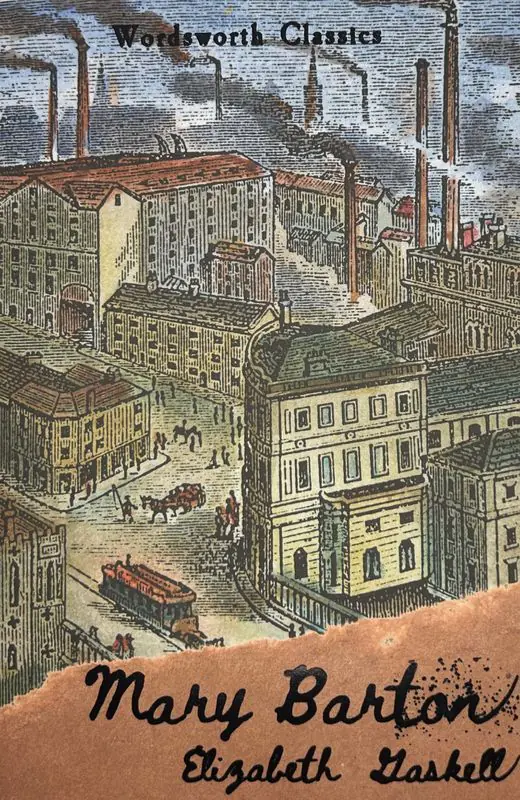
Mary Barton
Masz tę lub inne książki?
Sprzedaj je u nas

Elizabeth Gaskell's pioneering novel delves into the intense conflicts between capital and labor, which emerged during the swift industrialization and trade issues of the mid-1800s. These societal tensions are brought to life through the personal experiences of the characters. John Barton grapples with balancing his moral beliefs and socialist commitments, a struggle that jeopardizes his safety and freedom. His daughter Mary finds herself torn between two suitors from differing social strata – one a laborer, the other a manufacturer. The story's core features a murder that entwines all their fates."Mary Barton," released in 1848 amidst Europe's social upheaval, captures this revolutionary period from an English perspective. Gaskell, who penned her debut novel set in her contemporary world of Manchester during the industrial boom, offers a unique lens. As the spouse of a Unitarian minister, she belonged to the middle class, yet she maintained a profound connection with the working class, empathizing with their hardships and vividly portraying their struggles in her stories. Her bold approach in adopting their dialect, envisioning the authenticity of their existence, and centering her narrative on a working-class woman marked a radical departure for her era. While modern eyes might perceive her perspective as constrained, it was a sincere depiction for which she faced significant criticism from her peers.
Wybierz stan zużycia:
WIĘCEJ O SKALI
Elizabeth Gaskell's pioneering novel delves into the intense conflicts between capital and labor, which emerged during the swift industrialization and trade issues of the mid-1800s. These societal tensions are brought to life through the personal experiences of the characters. John Barton grapples with balancing his moral beliefs and socialist commitments, a struggle that jeopardizes his safety and freedom. His daughter Mary finds herself torn between two suitors from differing social strata – one a laborer, the other a manufacturer. The story's core features a murder that entwines all their fates."Mary Barton," released in 1848 amidst Europe's social upheaval, captures this revolutionary period from an English perspective. Gaskell, who penned her debut novel set in her contemporary world of Manchester during the industrial boom, offers a unique lens. As the spouse of a Unitarian minister, she belonged to the middle class, yet she maintained a profound connection with the working class, empathizing with their hardships and vividly portraying their struggles in her stories. Her bold approach in adopting their dialect, envisioning the authenticity of their existence, and centering her narrative on a working-class woman marked a radical departure for her era. While modern eyes might perceive her perspective as constrained, it was a sincere depiction for which she faced significant criticism from her peers.
Szczegóły
Inne książki: Elizabeth Gaskell

Podobne produkty
Może Ci się spodobać
Inne książki z tej samej kategorii

Napisz opinię o książce i wygraj nagrodę!
W każdym miesiącu wybieramy najlepsze opinie i nagradzamy recenzentów.
Dowiedz się więcejWartość nagród w tym miesiącu
880 zł
Dodaj swoją opinię
Zaloguj się na swoje konto, aby mieć możliwość dodawania opinii.
Czy chcesz zostawić tylko ocenę?
Dodanie samej oceny o książce nie jest brane pod uwagę podczas losowania nagród. By mieć szansę na otrzymanie nagrody musisz napisać opinię o książce.
Już oceniłeś/zrecenzowałeś te książkę w przeszłości.
Możliwe jest dodanie tylko jednej recenzji do każdej z książek.
Sposoby dostawy
Odbiór w punkcie (7)
InPost Paczkomat 24/7

14,99 zł
DPD Pickup Automaty i Punkty Odbioru

11,99 zł





Dostawa na adres (7)
GLS U Ciebie - Kurier

14,99 zł
Kurier DPD

14,99 zł





Sposoby płatności
Płatność z góry
Przedpłata

Zwykły przelew
