Stan książek
Nasze książki są dokładnie sprawdzone i jasno określamy stan każdej z nich.

Nowa
Książka nowa.
Używany - jak nowa
Niezauważalne lub prawie niezauważalne ślady używania. Książkę ciężko odróżnić od nowej pozycji.
Używany - dobry
Normalne ślady używania wynikające z kartkowania podczas czytania, brak większych uszkodzeń lub zagięć.
Używany - widoczne ślady użytkowania
zagięte rogi, przyniszczona okładka, książka posiada wszystkie strony.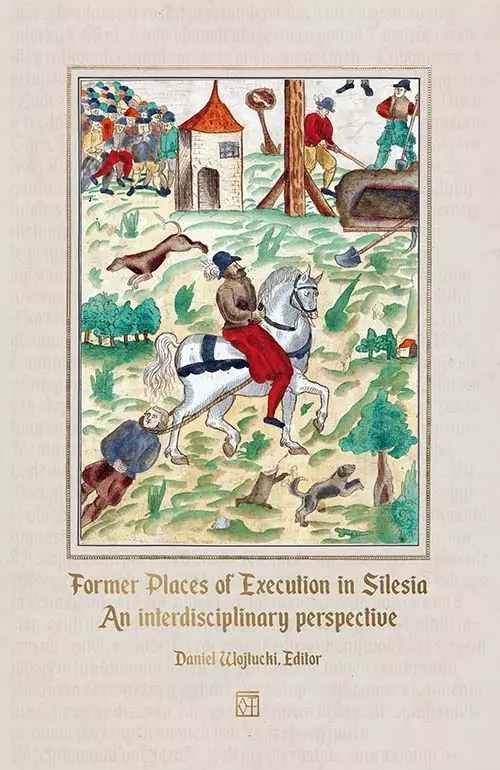
Former Places of Execution in Silesia. An interdisciplinary perspective
Masz tę lub inne książki?
Sprzedaj je u nas

This book not only enriches our archaeological understanding with the latest findings from execution sites but also serves as a comprehensive overview of legal archaeological research conducted in Poland. It could be said that Silesia stands out as the most well-explored region in the country. In recent decades, numerous execution sites, complete with remains of gallows and graves of both criminals and those who committed suicide, have been discovered and studied in this area. The book offers readers insights into non-invasive research methods alongside anthropological and archaeological analyses that challenge conventional approaches to the subject. The vivid reconstructions of executed individuals highlight how modern techniques can resurrect figures society once sought to obliterate. As noted in the editorial review by Dr. Paweł Duma, these reconstructions powerfully illustrate the ability of contemporary archaeology to revive historical narratives and people long forgotten.
Wybierz stan zużycia:
WIĘCEJ O SKALI
This book not only enriches our archaeological understanding with the latest findings from execution sites but also serves as a comprehensive overview of legal archaeological research conducted in Poland. It could be said that Silesia stands out as the most well-explored region in the country. In recent decades, numerous execution sites, complete with remains of gallows and graves of both criminals and those who committed suicide, have been discovered and studied in this area. The book offers readers insights into non-invasive research methods alongside anthropological and archaeological analyses that challenge conventional approaches to the subject. The vivid reconstructions of executed individuals highlight how modern techniques can resurrect figures society once sought to obliterate. As noted in the editorial review by Dr. Paweł Duma, these reconstructions powerfully illustrate the ability of contemporary archaeology to revive historical narratives and people long forgotten.
Szczegóły
Inne książki tych autorów

Podobne produkty
Może Ci się spodobać
Inne książki z tej samej kategorii

Napisz opinię o książce i wygraj nagrodę!
W każdym miesiącu wybieramy najlepsze opinie i nagradzamy recenzentów.
Dowiedz się więcejWartość nagród w tym miesiącu
880 zł
Dodaj swoją opinię
Zaloguj się na swoje konto, aby mieć możliwość dodawania opinii.
Czy chcesz zostawić tylko ocenę?
Dodanie samej oceny o książce nie jest brane pod uwagę podczas losowania nagród. By mieć szansę na otrzymanie nagrody musisz napisać opinię o książce.
Już oceniłeś/zrecenzowałeś te książkę w przeszłości.
Możliwe jest dodanie tylko jednej recenzji do każdej z książek.
Sposoby dostawy
Odbiór w punkcie (7)
InPost Paczkomat 24/7

14,99 zł
DPD Pickup Automaty i Punkty Odbioru

10,49 zł





Dostawa na adres (7)
GLS U Ciebie - Kurier

14,99 zł
Kurier DPD

14,99 zł





Sposoby płatności
Płatność z góry
Przedpłata

Zwykły przelew
