Stan książek
Nasze książki są dokładnie sprawdzone i jasno określamy stan każdej z nich.

Nowa
Książka nowa.
Używany - jak nowa
Niezauważalne lub prawie niezauważalne ślady używania. Książkę ciężko odróżnić od nowej pozycji.
Używany - dobry
Normalne ślady używania wynikające z kartkowania podczas czytania, brak większych uszkodzeń lub zagięć.
Używany - widoczne ślady użytkowania
zagięte rogi, przyniszczona okładka, książka posiada wszystkie strony.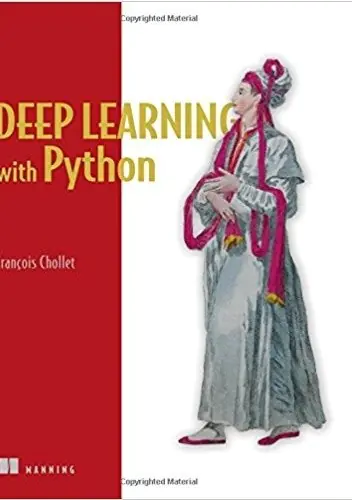
Deep Learning with Python
Masz tę lub inne książki?
Sprzedaj je u nas

Deep learning is increasingly relevant to a wide array of artificial intelligence challenges, including tasks like image recognition, speech processing, text analysis, question-answering systems, conversion of text to speech, and capturing text through optical character recognition. The book "Deep Learning with Python" systematically explores these areas through a variety of practical coding examples. These examples not only introduce new concepts but also demonstrate best practices in the field. By the time you finish the book, you will have mastered Keras and will be equipped to implement deep learning techniques in your own work.Key highlights of the book include practical coding examples, a comprehensive introduction to the Keras library, and clarifications on the distinctions between deep learning and general artificial intelligence. Deep learning technology powers innovations like Facebook and Google's photo tagging systems, autonomous vehicles, and speech recognition capabilities on smartphones.Francois Chollet, the author of Keras and a recognized expert in the field, has been engaged with deep neural networks since 2012. He is actively conducting deep learning research at Google and shares his insights on his blog at blog.keras.io.
Wybierz stan zużycia:
WIĘCEJ O SKALI
Deep learning is increasingly relevant to a wide array of artificial intelligence challenges, including tasks like image recognition, speech processing, text analysis, question-answering systems, conversion of text to speech, and capturing text through optical character recognition. The book "Deep Learning with Python" systematically explores these areas through a variety of practical coding examples. These examples not only introduce new concepts but also demonstrate best practices in the field. By the time you finish the book, you will have mastered Keras and will be equipped to implement deep learning techniques in your own work.Key highlights of the book include practical coding examples, a comprehensive introduction to the Keras library, and clarifications on the distinctions between deep learning and general artificial intelligence. Deep learning technology powers innovations like Facebook and Google's photo tagging systems, autonomous vehicles, and speech recognition capabilities on smartphones.Francois Chollet, the author of Keras and a recognized expert in the field, has been engaged with deep neural networks since 2012. He is actively conducting deep learning research at Google and shares his insights on his blog at blog.keras.io.
Szczegóły
Inne książki: François Chollet

Podobne produkty
Może Ci się spodobać
Inne książki z tej samej kategorii

Napisz opinię o książce i wygraj nagrodę!
W każdym miesiącu wybieramy najlepsze opinie i nagradzamy recenzentów.
Dowiedz się więcejWartość nagród w tym miesiącu
880 zł
Dodaj swoją opinię
Zaloguj się na swoje konto, aby mieć możliwość dodawania opinii.
Czy chcesz zostawić tylko ocenę?
Dodanie samej oceny o książce nie jest brane pod uwagę podczas losowania nagród. By mieć szansę na otrzymanie nagrody musisz napisać opinię o książce.
Już oceniłeś/zrecenzowałeś te książkę w przeszłości.
Możliwe jest dodanie tylko jednej recenzji do każdej z książek.
Sposoby dostawy
Odbiór w punkcie (7)
InPost Paczkomat 24/7

14,99 zł
DPD Pickup Automaty i Punkty Odbioru

10,49 zł





Dostawa na adres (7)
GLS U Ciebie - Kurier

14,99 zł
Kurier DPD

14,99 zł





Sposoby płatności
Płatność z góry
Przedpłata

Zwykły przelew
