Stan książek
Nasze książki są dokładnie sprawdzone i jasno określamy stan każdej z nich.


Nowa
Książka nowa.
Używany - jak nowa
Niezauważalne lub prawie niezauważalne ślady używania. Książkę ciężko odróżnić od nowej pozycji.
Używany - dobry
Normalne ślady używania wynikające z kartkowania podczas czytania, brak większych uszkodzeń lub zagięć.
Używany - widoczne ślady użytkowania
zagięte rogi, przyniszczona okładka, książka posiada wszystkie strony.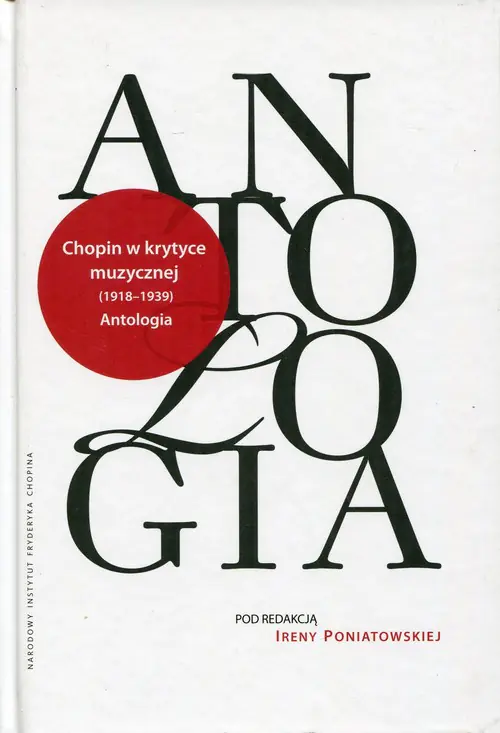
Chopin w krytyce muzycznej 1918-1939 Antologia
DODAJ DO LISTY ŻYCZEŃ
Masz tę lub inne książki?
Sprzedaj je u nas

Antologia jest kontynuacją tomu Antologii obejmującej okres do pierwszej wojny światowej (2 wydania: obcojęzyczne i polskie, 2011) i ten sam zakres geograficzny " Polskę, Rosję (ZSRR), Niemcy, Francję, Anglię. Mimo iż dotyczy tylko 20 lat międzywojennych, materiał jest bogaty i problemowo zróżnicowany. Jeśli chodzi o estetyczną ocenę dzieła Chopina, to uległa ona znacznemu pogłębieniu, m.in. dzięki rozwojowi muzykologii, co zaowocowało badaniami biograficznymi, pierwszym wydaniem listów kompozytora oraz analizą jego stylu, zwłaszcza w aspekcie melodyki i harmoniki. Chopin równorzędnie z Beethovenem i Wagnerem zyskał w krytyce pozycję jednego z największych twórców, którzy zrewolucjonizowali muzykę XIX wieku. Niemcy nazywali go duchem pokrewnym Bachowi, Francuzi " prekursorem modernizmu, Anglicy ? zauważali klasyczne mistrzostwo warsztatowe, a Polacy i Rosjanie podkreślali narodowość, ale i bogactwo wartości uniwersalnych.
Wybierz stan zużycia:
WIĘCEJ O SKALI
nowa
21,87 zł
jak nowa
Pakujemy dzisiaj

- niezauważalne lub prawie niezauważalne ślady używania
- książkę ciężko odróżnić od nowej pozycji
dobry
widoczne ślady używania
Antologia jest kontynuacją tomu Antologii obejmującej okres do pierwszej wojny światowej (2 wydania: obcojęzyczne i polskie, 2011) i ten sam zakres geograficzny " Polskę, Rosję (ZSRR), Niemcy, Francję, Anglię. Mimo iż dotyczy tylko 20 lat międzywojennych, materiał jest bogaty i problemowo zróżnicowany. Jeśli chodzi o estetyczną ocenę dzieła Chopina, to uległa ona znacznemu pogłębieniu, m.in. dzięki rozwojowi muzykologii, co zaowocowało badaniami biograficznymi, pierwszym wydaniem listów kompozytora oraz analizą jego stylu, zwłaszcza w aspekcie melodyki i harmoniki. Chopin równorzędnie z Beethovenem i Wagnerem zyskał w krytyce pozycję jednego z największych twórców, którzy zrewolucjonizowali muzykę XIX wieku. Niemcy nazywali go duchem pokrewnym Bachowi, Francuzi " prekursorem modernizmu, Anglicy ? zauważali klasyczne mistrzostwo warsztatowe, a Polacy i Rosjanie podkreślali narodowość, ale i bogactwo wartości uniwersalnych.
Szczegóły
Inne książki tych autorów

Podobne produkty
Może Ci się spodobać
Inne książki z tej samej kategorii

Napisz opinię o książce i wygraj nagrodę!
W każdym miesiącu wybieramy najlepsze opinie i nagradzamy recenzentów.
Dowiedz się więcejWartość nagród w tym miesiącu
880,00 zł
Dodaj swoją opinię
Zaloguj się na swoje konto, aby mieć możliwość dodawania opinii.
Czy chcesz zostawić tylko ocenę?
Dodanie samej oceny o książce nie jest brane pod uwagę podczas losowania nagród. By mieć szansę na otrzymanie nagrody musisz napisać opinię o książce.
Już oceniłeś/zrecenzowałeś te książkę w przeszłości.
Możliwe jest dodanie tylko jednej recenzji do każdej z książek.
Sposoby dostawy
Odbiór w punkcie (8)
InPost Paczkomat 24/7

14,99 zł
DPD Pickup Punkty Odbioru

11,99 zł






Dostawa na adres (7)
GLS U Ciebie - Kurier

14,99 zł
Kurier DPD

14,99 zł





Sposoby płatności
Płatność z góry
Przedpłata

Zwykły przelew
