Stan książek
Nasze książki są dokładnie sprawdzone i jasno określamy stan każdej z nich.


Nowa
Książka nowa.
Używany - jak nowa
Niezauważalne lub prawie niezauważalne ślady używania. Książkę ciężko odróżnić od nowej pozycji.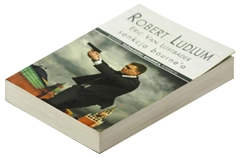
Używany - dobry
Normalne ślady używania wynikające z kartkowania podczas czytania, brak większych uszkodzeń lub zagięć.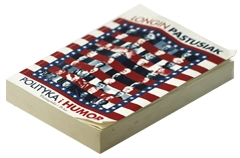
Używany - widoczne ślady użytkowania
zagięte rogi, przyniszczona okładka, książka posiada wszystkie strony.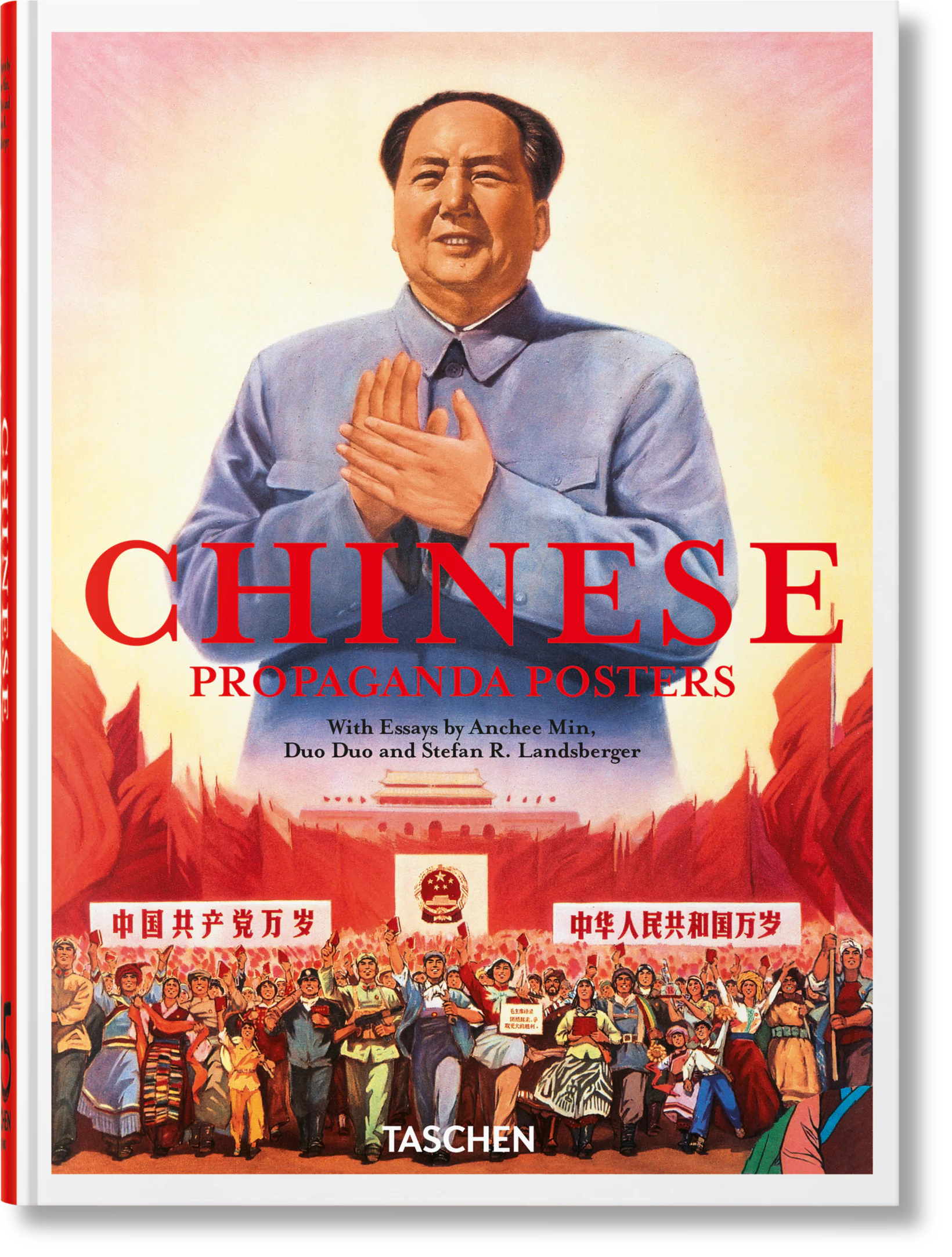
Chinese Propaganda Posters. 45th Ed.
Masz tę lub inne książki?
Sprzedaj je u nas

Featuring a radiant, smooth, and rosy complexion, Mao Zedong was a prominent figure in Chinese propaganda posters from the establishment of the People's Republic in 1949 until the early '80s. These posters often depicted Chairman Mao as a stoic superhero—titles like the Great Teacher, the Great Leader, the Great Helmsman, and the Supreme Commander were commonly associated with him. In various depictions, he was shown in diverse scenarios, such as inspecting factories, sharing a cigarette with peasant workers, standing in a bathrobe by the Yangtze River, presiding over the bow of a ship, or hovering over a sea of red flags. These images were populated with strong, healthy, timeless men, and women and children wearing baggy, unisex clothing. The purpose of these posters was to convey a sense of moral righteousness and to portray a glorious future for Communist China, one that could be achieved if the people united and followed a common path. This book compiles a vibrant collection of propaganda artworks and cultural items from that era, highlighting posters that have now become exceedingly rare.
Wybierz stan zużycia:
WIĘCEJ O SKALI
Featuring a radiant, smooth, and rosy complexion, Mao Zedong was a prominent figure in Chinese propaganda posters from the establishment of the People's Republic in 1949 until the early '80s. These posters often depicted Chairman Mao as a stoic superhero—titles like the Great Teacher, the Great Leader, the Great Helmsman, and the Supreme Commander were commonly associated with him. In various depictions, he was shown in diverse scenarios, such as inspecting factories, sharing a cigarette with peasant workers, standing in a bathrobe by the Yangtze River, presiding over the bow of a ship, or hovering over a sea of red flags. These images were populated with strong, healthy, timeless men, and women and children wearing baggy, unisex clothing. The purpose of these posters was to convey a sense of moral righteousness and to portray a glorious future for Communist China, one that could be achieved if the people united and followed a common path. This book compiles a vibrant collection of propaganda artworks and cultural items from that era, highlighting posters that have now become exceedingly rare.
Szczegóły
Inne książki tych autorów

Podobne produkty
Może Ci się spodobać
Inne książki z tej samej kategorii

Napisz opinię o książce i wygraj nagrodę!
W każdym miesiącu wybieramy najlepsze opinie i nagradzamy recenzentów.
Dowiedz się więcejWartość nagród w tym miesiącu
880 zł
Dodaj swoją opinię
Zaloguj się na swoje konto, aby mieć możliwość dodawania opinii.
Czy chcesz zostawić tylko ocenę?
Dodanie samej oceny o książce nie jest brane pod uwagę podczas losowania nagród. By mieć szansę na otrzymanie nagrody musisz napisać opinię o książce.
Już oceniłeś/zrecenzowałeś te książkę w przeszłości.
Możliwe jest dodanie tylko jednej recenzji do każdej z książek.
Sposoby dostawy
Odbiór w punkcie (6)
InPost Paczkomat 24/7

13,99 zł
ORLEN Paczka

12,99 zł




Dostawa na adres (7)
GLS U Ciebie - Kurier

14,99 zł
Kurier DPD

14,99 zł





Sposoby płatności
Płatność z góry
Przedpłata

Zwykły przelew
