Krzysztof Gawronkiewicz - sylwetka autora
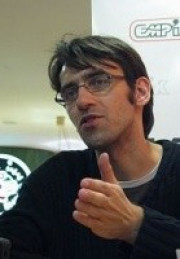
Grafik, malarz, myśliciel – to cechy, które doskonale opisują jednego z weteranów polskiej sceny komiksowej, z którego talentem często porównuje się Przemka "Trusta" Truścińskiego. Po ukończeniu Liceum Plastycznego oraz Wydziału Grafiki na warszawskiej ASP, zajął się tworzeniem komiksów, które zaczynał już jako uczeń podstawówki, adaptując telewizyjne seriale, takie jak Kosmos 1999. Zafascynowany amerykańskimi komiksami, szczególnie Tarzanem, rozszerzył swoją inspirację o europejskich mistrzów, takich jak Enki Bilal, z którymi zetknął się w Instytucie Francuskim.
Jego prace stały się głośne dzięki legendarnemu, choć nigdy nieukończonemu komiksowi Burza, stworzonym do scenariusza Macieja Parowskiego, znanego m.in. z "Nowej Fantastyki". Mimo że jego fragmenty zostały opublikowane w antologii Wrzesień. Wojna narysowana, nadal nie jest to pełna historia. Jego wyjątkowe umiejętności zainspirowały również komiks Achtung Zelig, we współpracy z Krystianem Rosińskim. Pierwsze strony tego surrealistycznego dzieła o losach dwóch Żydów w czasie wojny ujrzały światło dzienne w "AQQ" w 1993 roku, a pełna wersja pojawiła się dopiero po 11 latach, co uczyniło z niego legendę.
Na studiach poznał artystycznego partnera, Dennisa Wojdę, z którym stworzył komiks Mikropolis. Fabuła ta, umiejscowiona w miasta z wyimaginowanymi, ale charakterystycznymi elementami, od razu zyskała dojrzałą formę. W jej ramach bloki z wielkiej płyty sąsiadują z kamienicami, tworząc nietypowy krajobraz pełen bajkowego klimatu. Do tej pory wydano dwa albumy, Przewodnik turystyczny oraz Moherowe sny, które zyskały uznanie i były nominowane do nagrody "Pegaz".
Współpracując z różnymi twórcami, jak Dennis Wojda czy Grzegorz Janusz, stworzył także komiks Tabula Rasa, który realistycznie przedstawiał warszawskie scenerie, czy projekt Esencja, nagrodzony przez telewizję Arté i wydawnictwo Gléant. Jego prace doceniono nie tylko w Polsce – sukcesywnie zyskiwał uznanie także na arenie międzynarodowej. Dziś Gawronkiewicz zdobi katalogi i artykuły w "mainstreamowych" mediach, a jego twórczość wciąż ewoluuje, łącząc artystyczną satysfakcję z sukcesem komercyjnym.

Krzysztof Gawronkiewicz - wszystkie książki
Opinie naszych klientów

Bardzo szybko otrzymałam zamawiany towar. Książki zgodne z opisem, bez śladów użytkowania. Jestem bardzo zadowolona z zakupu :)

joanna_st
Blog Skupszop
Artykuły, które mogą Cię zainspirować. Aktualne rabaty i zniżki

Nagrodzono Brązową Pieczęcią Uznania eKomi 2026!


*Chcę otrzymywać wiadomości promocyjne z możliwością późniejszej rezygnacji


Zniżki i rabaty
Nowości i promocje
Powiadomienia
NAPISALI O NAS:


