Stan książek
Nasze książki są dokładnie sprawdzone i jasno określamy stan każdej z nich.


Nowa
Książka nowa.
Używany - jak nowa
Niezauważalne lub prawie niezauważalne ślady używania. Książkę ciężko odróżnić od nowej pozycji.
Używany - dobry
Normalne ślady używania wynikające z kartkowania podczas czytania, brak większych uszkodzeń lub zagięć.
Używany - widoczne ślady użytkowania
zagięte rogi, przyniszczona okładka, książka posiada wszystkie strony.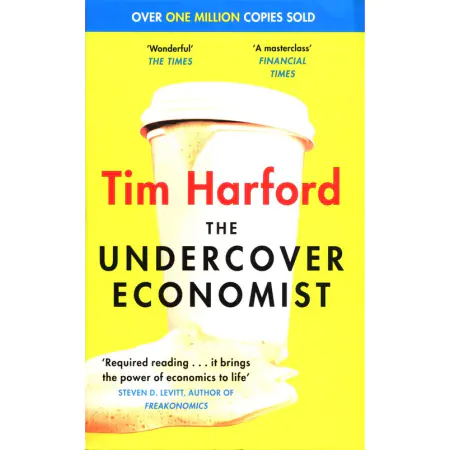
Undercover Economist
Masz tę lub inne książki?
Sprzedaj je u nas

Who benefits the most from selling cappuccinos to early-morning travelers at Waterloo Station? Why is it so difficult to afford a home? How does the Mafia manage to profit from laundries when street gangs can't do the same with drugs? Who actually gains from immigration? How did China transition from severe famine to an impressive economic powerhouse, lifting millions out of poverty each month over just fifty years? In "The Undercover Economist," Tim Harford offers a fresh perspective on the core principles of today's economy, illustrated by real-life examples from the bustling streets of London to the towering structures of Shanghai and the tranquil canals of Bruges. Shunning complex jargon and math typically found in economics textbooks, Harford uncovers the strategic play of signals, negotiations, and intellectual challenges that not only fuel the global economy but also shape our daily decisions.
Wybierz stan zużycia:
WIĘCEJ O SKALI
Who benefits the most from selling cappuccinos to early-morning travelers at Waterloo Station? Why is it so difficult to afford a home? How does the Mafia manage to profit from laundries when street gangs can't do the same with drugs? Who actually gains from immigration? How did China transition from severe famine to an impressive economic powerhouse, lifting millions out of poverty each month over just fifty years? In "The Undercover Economist," Tim Harford offers a fresh perspective on the core principles of today's economy, illustrated by real-life examples from the bustling streets of London to the towering structures of Shanghai and the tranquil canals of Bruges. Shunning complex jargon and math typically found in economics textbooks, Harford uncovers the strategic play of signals, negotiations, and intellectual challenges that not only fuel the global economy but also shape our daily decisions.
Szczegóły
Inne książki: Tim Harford

Podobne produkty
Może Ci się spodobać
Inne książki z tej samej kategorii

Napisz opinię o książce i wygraj nagrodę!
W każdym miesiącu wybieramy najlepsze opinie i nagradzamy recenzentów.
Dowiedz się więcejWartość nagród w tym miesiącu
880 zł
Dodaj swoją opinię
Zaloguj się na swoje konto, aby mieć możliwość dodawania opinii.
Czy chcesz zostawić tylko ocenę?
Dodanie samej oceny o książce nie jest brane pod uwagę podczas losowania nagród. By mieć szansę na otrzymanie nagrody musisz napisać opinię o książce.
Już oceniłeś/zrecenzowałeś te książkę w przeszłości.
Możliwe jest dodanie tylko jednej recenzji do każdej z książek.
Sposoby dostawy
Odbiór w punkcie (7)
InPost Paczkomat 24/7

14,99 zł
DPD Pickup Automaty i Punkty Odbioru

11,99 zł





Dostawa na adres (7)
GLS U Ciebie - Kurier

14,99 zł
Kurier DPD

14,99 zł





Sposoby płatności
Płatność z góry
Przedpłata

Zwykły przelew
