Stan książek
Nasze książki są dokładnie sprawdzone i jasno określamy stan każdej z nich.


Nowa
Książka nowa.
Używany - jak nowa
Niezauważalne lub prawie niezauważalne ślady używania. Książkę ciężko odróżnić od nowej pozycji.
Używany - dobry
Normalne ślady używania wynikające z kartkowania podczas czytania, brak większych uszkodzeń lub zagięć.
Używany - widoczne ślady użytkowania
zagięte rogi, przyniszczona okładka, książka posiada wszystkie strony.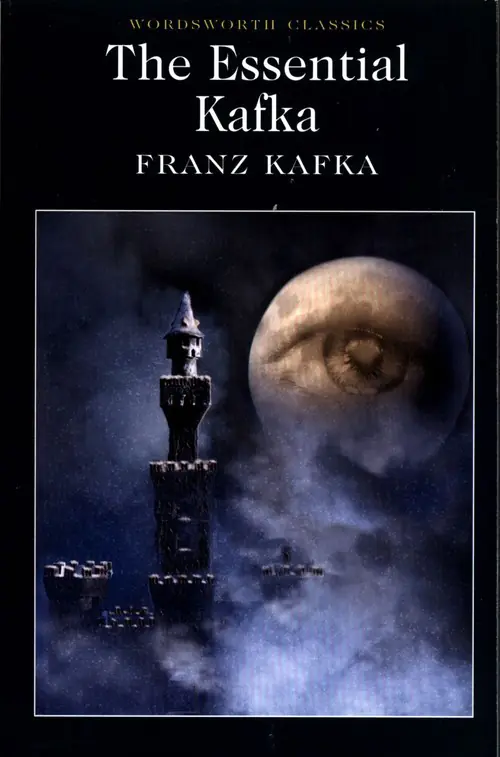
The Essential Kafka
Masz tę lub inne książki?
Sprzedaj je u nas

Franz Kafka, much like George Orwell, has become synonymous with a nightmarish reality, although Kafka's nightmare remains elusive in its definition. In "The Trial," the hidden rules and unexpected sources of assistance create a darkly humorous narrative that holds an unyielding sense of confusion up to its conclusion. Ostensibly a commentary on bureaucracy, the story ultimately critiques the absurdities embedded within 'normal' human behavior.The Castle is even more cryptic. It raises questions about whether it symbolizes a transition from a quasi-feudal system to newfound freedom, represents a central European Jew's quest for cultural acceptance, reflects a spiritual pursuit of grace or redemption, or illustrates a tension between personal autonomy and the craving for approval. Perhaps it embodies all these themes. The character K presents ambiguity—is he an opportunist, a victim, or an outsider challenging an intangible authority?
Wybierz stan zużycia:
WIĘCEJ O SKALI
Franz Kafka, much like George Orwell, has become synonymous with a nightmarish reality, although Kafka's nightmare remains elusive in its definition. In "The Trial," the hidden rules and unexpected sources of assistance create a darkly humorous narrative that holds an unyielding sense of confusion up to its conclusion. Ostensibly a commentary on bureaucracy, the story ultimately critiques the absurdities embedded within 'normal' human behavior.The Castle is even more cryptic. It raises questions about whether it symbolizes a transition from a quasi-feudal system to newfound freedom, represents a central European Jew's quest for cultural acceptance, reflects a spiritual pursuit of grace or redemption, or illustrates a tension between personal autonomy and the craving for approval. Perhaps it embodies all these themes. The character K presents ambiguity—is he an opportunist, a victim, or an outsider challenging an intangible authority?
Szczegóły
Inne książki: Franz Kafka

Podobne produkty
Może Ci się spodobać
Inne książki z tej samej kategorii

Napisz opinię o książce i wygraj nagrodę!
W każdym miesiącu wybieramy najlepsze opinie i nagradzamy recenzentów.
Dowiedz się więcejWartość nagród w tym miesiącu
880 zł
Dodaj swoją opinię
Zaloguj się na swoje konto, aby mieć możliwość dodawania opinii.
Czy chcesz zostawić tylko ocenę?
Dodanie samej oceny o książce nie jest brane pod uwagę podczas losowania nagród. By mieć szansę na otrzymanie nagrody musisz napisać opinię o książce.
Już oceniłeś/zrecenzowałeś te książkę w przeszłości.
Możliwe jest dodanie tylko jednej recenzji do każdej z książek.
Sposoby dostawy
Odbiór w punkcie (7)
InPost Paczkomat 24/7

14,99 zł
DPD Pickup Automaty i Punkty Odbioru

11,99 zł





Dostawa na adres (7)
GLS U Ciebie - Kurier

14,99 zł
Kurier DPD

14,99 zł





Sposoby płatności
Płatność z góry
Przedpłata

Zwykły przelew
