Stan książek
Nasze książki są dokładnie sprawdzone i jasno określamy stan każdej z nich.

Nowa
Książka nowa.
Używany - jak nowa
Niezauważalne lub prawie niezauważalne ślady używania. Książkę ciężko odróżnić od nowej pozycji.
Używany - dobry
Normalne ślady używania wynikające z kartkowania podczas czytania, brak większych uszkodzeń lub zagięć.
Używany - widoczne ślady użytkowania
zagięte rogi, przyniszczona okładka, książka posiada wszystkie strony.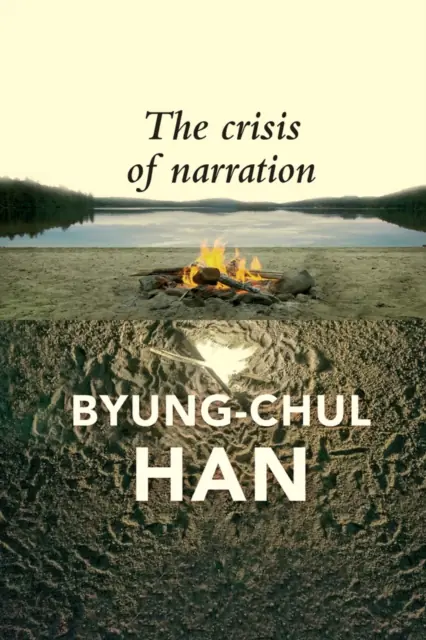
The Crisis of Narration
Masz tę lub inne książki?
Sprzedaj je u nas

Narratives have traditionally served as the glue that unites us, fostering a sense of community and grounding our existence. However, in today's information-driven society, where things feel increasingly arbitrary and unpredictable, the essence of storytelling has shifted. It's become more about 'storyselling,' and the unifying power of narratives has diminished. While narratives once built strong communities, modern storytelling only briefly connects people as consumers. The ancient practice of gathering around a fire to share tales has been replaced by digital screens, which often isolate rather than unify. In this digital age, storytelling has been co-opted by capitalism, reducing it to a tool for selling rather than sharing communal experiences. This shift reflects a collective struggle to handle unpredictability, yet storytelling in its current form fails to rebuild the enduring narrative communities of the past. Instead, it represents a troubling trend of our era. Byung-Chul Han, a keen observer of modern culture, analyzes this dilemma with remarkable clarity and skill.
Wybierz stan zużycia:
WIĘCEJ O SKALI
Narratives have traditionally served as the glue that unites us, fostering a sense of community and grounding our existence. However, in today's information-driven society, where things feel increasingly arbitrary and unpredictable, the essence of storytelling has shifted. It's become more about 'storyselling,' and the unifying power of narratives has diminished. While narratives once built strong communities, modern storytelling only briefly connects people as consumers. The ancient practice of gathering around a fire to share tales has been replaced by digital screens, which often isolate rather than unify. In this digital age, storytelling has been co-opted by capitalism, reducing it to a tool for selling rather than sharing communal experiences. This shift reflects a collective struggle to handle unpredictability, yet storytelling in its current form fails to rebuild the enduring narrative communities of the past. Instead, it represents a troubling trend of our era. Byung-Chul Han, a keen observer of modern culture, analyzes this dilemma with remarkable clarity and skill.
Szczegóły
Inne książki: Byung-Chul Han

Podobne produkty
Może Ci się spodobać
Inne książki z tej samej kategorii

Napisz opinię o książce i wygraj nagrodę!
W każdym miesiącu wybieramy najlepsze opinie i nagradzamy recenzentów.
Dowiedz się więcejWartość nagród w tym miesiącu
880 zł
Dodaj swoją opinię
Zaloguj się na swoje konto, aby mieć możliwość dodawania opinii.
Czy chcesz zostawić tylko ocenę?
Dodanie samej oceny o książce nie jest brane pod uwagę podczas losowania nagród. By mieć szansę na otrzymanie nagrody musisz napisać opinię o książce.
Już oceniłeś/zrecenzowałeś te książkę w przeszłości.
Możliwe jest dodanie tylko jednej recenzji do każdej z książek.
Sposoby dostawy
Odbiór w punkcie (7)
InPost Paczkomat 24/7

14,99 zł
DPD Pickup Automaty i Punkty Odbioru

11,99 zł





Dostawa na adres (7)
GLS U Ciebie - Kurier

14,99 zł
Kurier DPD

14,99 zł





Sposoby płatności
Płatność z góry
Przedpłata

Zwykły przelew
