Stan książek
Nasze książki są dokładnie sprawdzone i jasno określamy stan każdej z nich.

Nowa
Książka nowa.
Używany - jak nowa
Niezauważalne lub prawie niezauważalne ślady używania. Książkę ciężko odróżnić od nowej pozycji.
Używany - dobry
Normalne ślady używania wynikające z kartkowania podczas czytania, brak większych uszkodzeń lub zagięć.
Używany - widoczne ślady użytkowania
zagięte rogi, przyniszczona okładka, książka posiada wszystkie strony.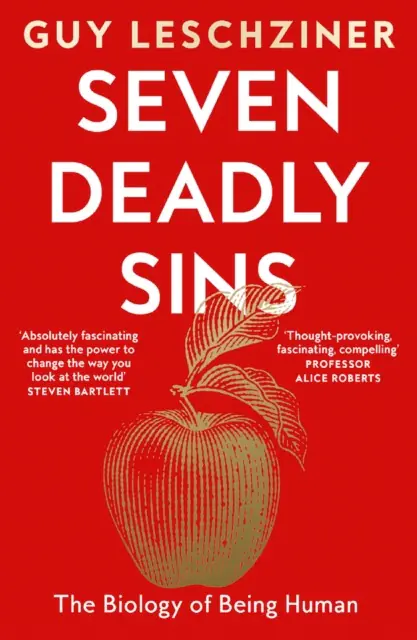
Seven Deadly Sins. The Biology of Being Human
DODAJ DO LISTY ŻYCZEŃ
Masz tę lub inne książki?
Sprzedaj je u nas

"The power to change how you perceive the world," according to Steven Bartlett, or "The heir to Oliver Sacks," as David Baddiel describes it. Dr. Guy Leschziner's latest book, recognized as a Financial Times Best Book of 2024 and an Independent Book of the Month, investigates the classic concept of the seven deadly sins: gluttony, greed, sloth, pride, envy, lust, and anger. Traditionally viewed as the vices symbolizing immorality and the origins of all evil, these sins are reexamined through a different lens. Dr. Leschziner, a neurology and sleep medicine professor, questions whether these so-called sins indicate moral flaws or represent fundamental human traits embedded in our neurology and psychology.Through his clinical practice, Leschziner provides insights into how specific medical conditions can manifest as these sins, highlighting cases where neurological events or conditions have triggered what some may consider 'immoral' actions. The book delves into how illnesses may uncover innate human tendencies, suggesting these traits might be rooted in evolutionary necessities aimed at safeguarding the community's well-being. Dr. Leschziner proposes that rather than focusing solely on moral interpretations, we should consider a biological perspective, which challenges conventional notions of culpability and accountability in incidents of 'sin.'By merging advanced scientific insights with real patient stories, the book offers a fresh evaluation of where the lines between typical human behavior, pathology, and sin are drawn. It raises critical questions about whether these ingrained characteristics genuinely constitute sin or merely reflect our intrinsic drives to endure and flourish.
Wybierz stan zużycia:
WIĘCEJ O SKALI
51.42 zł
nowa
Pakujemy 28.09

- nowa książka
jak nowa
dobry
widoczne ślady używania
Dostępna ilość 4
Uwaga została 1 szt.
Posiadamy 4 szt.
"The power to change how you perceive the world," according to Steven Bartlett, or "The heir to Oliver Sacks," as David Baddiel describes it. Dr. Guy Leschziner's latest book, recognized as a Financial Times Best Book of 2024 and an Independent Book of the Month, investigates the classic concept of the seven deadly sins: gluttony, greed, sloth, pride, envy, lust, and anger. Traditionally viewed as the vices symbolizing immorality and the origins of all evil, these sins are reexamined through a different lens. Dr. Leschziner, a neurology and sleep medicine professor, questions whether these so-called sins indicate moral flaws or represent fundamental human traits embedded in our neurology and psychology.Through his clinical practice, Leschziner provides insights into how specific medical conditions can manifest as these sins, highlighting cases where neurological events or conditions have triggered what some may consider 'immoral' actions. The book delves into how illnesses may uncover innate human tendencies, suggesting these traits might be rooted in evolutionary necessities aimed at safeguarding the community's well-being. Dr. Leschziner proposes that rather than focusing solely on moral interpretations, we should consider a biological perspective, which challenges conventional notions of culpability and accountability in incidents of 'sin.'By merging advanced scientific insights with real patient stories, the book offers a fresh evaluation of where the lines between typical human behavior, pathology, and sin are drawn. It raises critical questions about whether these ingrained characteristics genuinely constitute sin or merely reflect our intrinsic drives to endure and flourish.
Szczegóły
Dane producenta:
Inne książki: Guy Leschziner

Podobne produkty
Może Ci się spodobać
Inne książki z tej samej kategorii

Napisz opinię o książce i wygraj nagrodę!
W każdym miesiącu wybieramy najlepsze opinie i nagradzamy recenzentów.
Dowiedz się więcejWartość nagród w tym miesiącu
880 zł
Dodaj swoją opinię
Zaloguj się na swoje konto, aby mieć możliwość dodawania opinii.
Czy chcesz zostawić tylko ocenę?
Dodanie samej oceny o książce nie jest brane pod uwagę podczas losowania nagród. By mieć szansę na otrzymanie nagrody musisz napisać opinię o książce.
Już oceniłeś/zrecenzowałeś te książkę w przeszłości.
Możliwe jest dodanie tylko jednej recenzji do każdej z książek.
Sposoby dostawy
Odbiór w punkcie (7)
InPost Paczkomat 24/7

14,99 zł
DPD Pickup Automaty i Punkty Odbioru

11,99 zł





Dostawa na adres (7)
GLS U Ciebie - Kurier

14,99 zł
Kurier DPD

14,99 zł





Sposoby płatności
Płatność z góry
Przedpłata

Zwykły przelew
